Furniture placement plays a key role in how a room looks, feels, and functions. The right layout can make a space feel more open, comfortable, and easier to use. These furniture arrangement ideas can help improve movement, balance, and overall design without requiring a full room makeover.
Many homeowners adjust their layouts to make better use of the space they already have. According to interior design experts, proper furniture arrangement supports daily activities, reduces clutter, and helps each area of the room serve a clear purpose. Even small layout changes can create noticeable improvements in comfort and appearance.
1. Create Clear Walking Paths
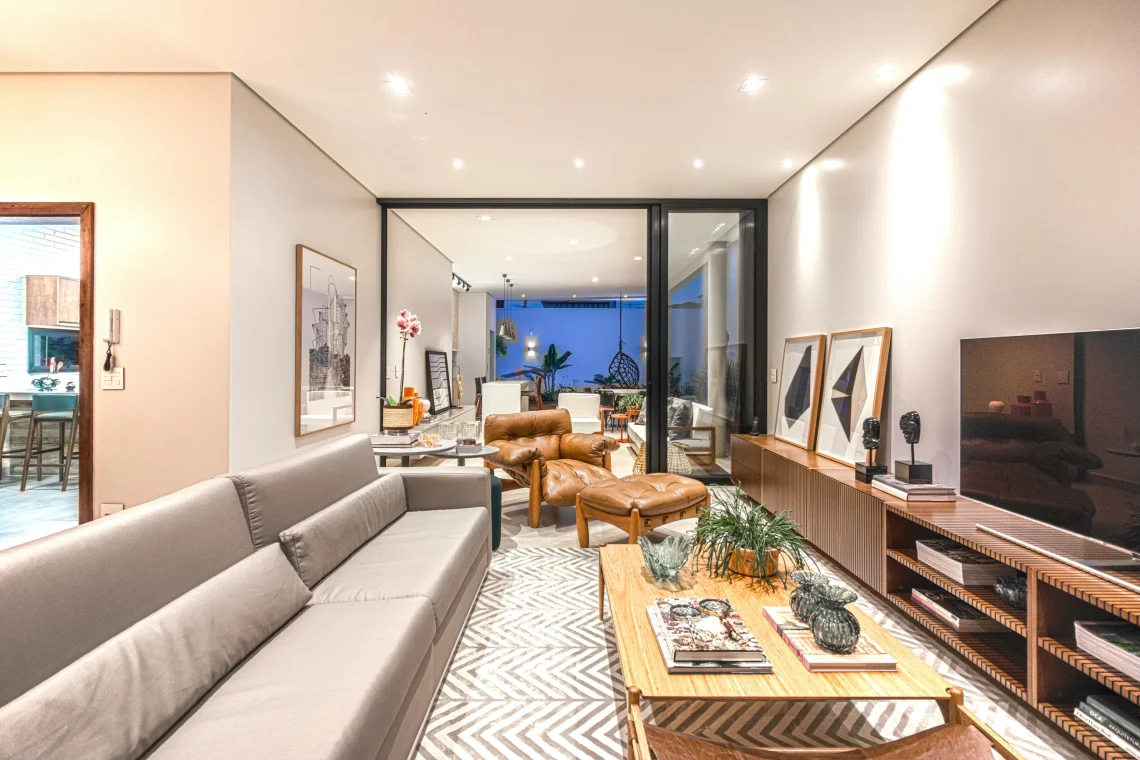
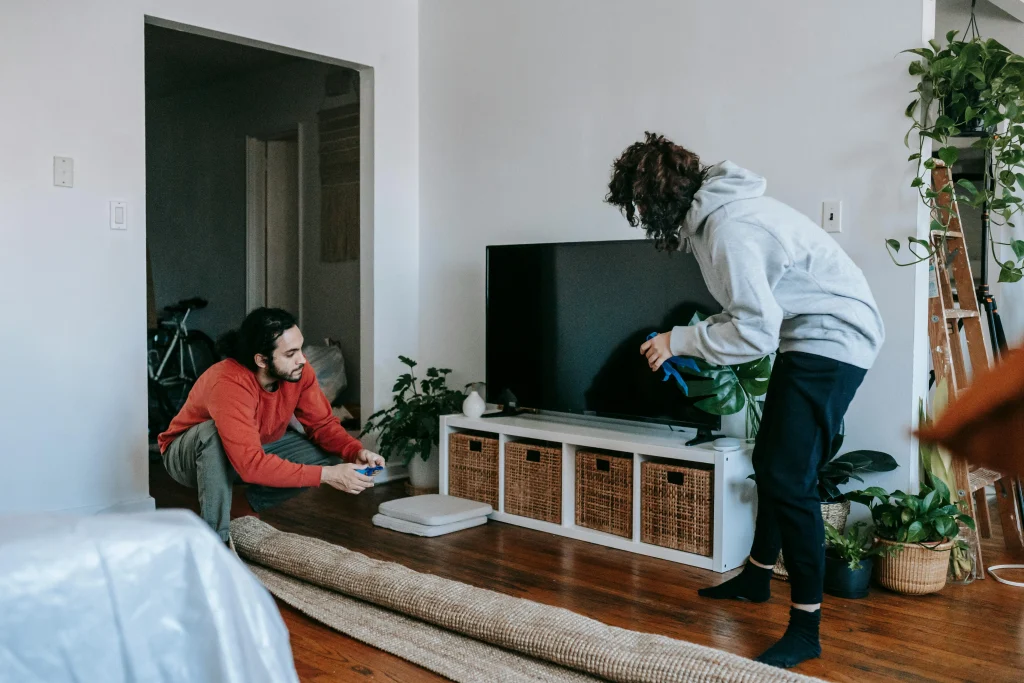
Keeping enough space for movement is one of the most important parts of furniture placement. Furniture should not block entryways, walkways, door swings, or commonly used areas. When people can move through a room easily, the space feels more practical and less crowded.
Experts often recommend leaving enough room between furniture pieces so the layout feels open and comfortable. Clear walking paths are especially important in living rooms, bedrooms, dining areas, and open-plan spaces where several activities may happen in the same area.
Credit: Blue Bird / Pexels
2. Arrange Furniture Around a Focal Point
Every room benefits from having a focal point. This could be a window, fireplace, artwork, television, bed, or main seating area. Once the focal point is clear, furniture can be arranged to support it rather than compete with it.
For example, in a living room, sofas and chairs may face a fireplace or entertainment area. In a bedroom, the bed often becomes the main feature. Design professionals explain that focal points help improve visual balance and give the room a clearer sense of structure.
3. Keep Furniture Proportional to the Room
Furniture size should match the size of the room. Large pieces in a small space can make the room feel crowded, while very small pieces in a large room can look lost or unfinished. The goal is to choose furniture that fits the room’s scale.
Experts suggest measuring the space before adding or moving large pieces. This helps avoid layouts that feel cramped or awkward. A properly sized sofa, table, bed, or cabinet can improve both comfort and usability.
4. Use Symmetry for Balanced Design
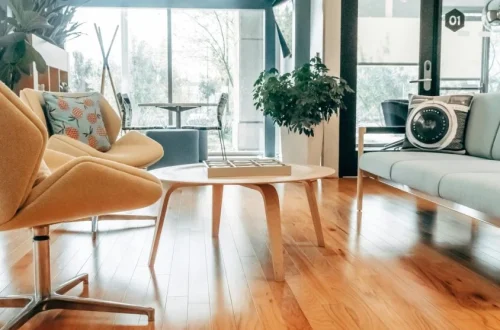
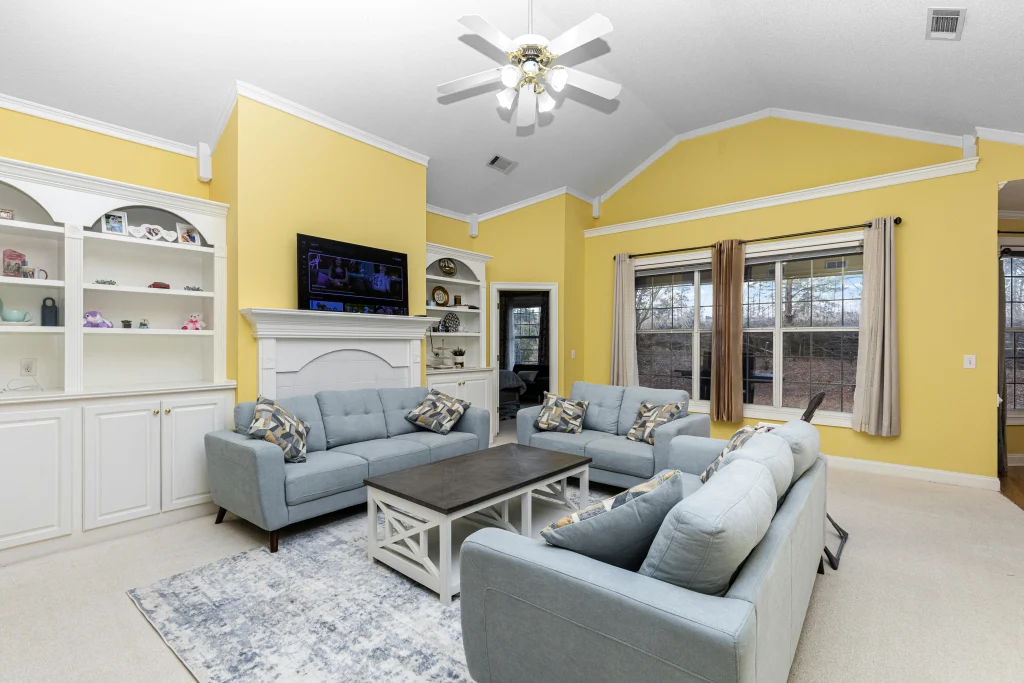
Symmetrical arrangements can create a sense of order and calm. Matching chairs, tables, lamps, or decor items can help strengthen the room’s visual structure. This works well in formal living rooms, bedrooms, dining rooms, and entry areas.
Interior specialists note that symmetry often makes a space feel more organized. However, the room does not need to be perfectly identical on both sides. Even simple balance, such as placing similar-sized pieces across from each other, can make the layout feel more complete.
Credit: JAELEN KEMPSON / Pexels
5. Avoid Pushing All Furniture Against Walls
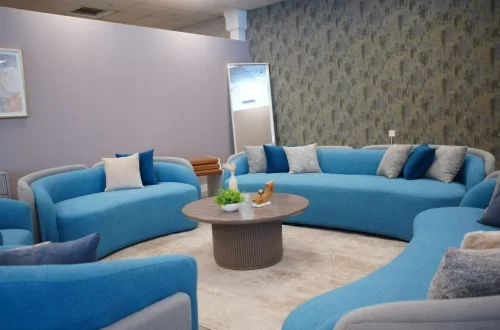
Placing every piece of furniture against the walls may seem like a way to create more space, but it can sometimes make a room feel disconnected. Instead, experts recommend grouping furniture to create clear and functional zones.
In a living room, a sofa and chairs can be arranged around a coffee table to create a conversation area. In a large bedroom, a reading chair and side table can form a small relaxation corner. This approach improves comfort and encourages better interaction within the space.
6. Use Rugs to Define Areas
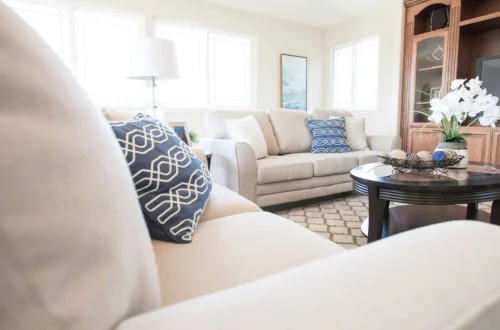
Rugs help separate different sections of a room, especially in open layouts. A rug can define a seating area, dining area, or reading corner without the need for walls or dividers. It also helps connect furniture pieces visually.
Design experts suggest choosing rugs that fit the size and arrangement of the furniture. In many cases, at least the front legs of sofas and chairs should rest on the rug. This makes the furniture grouping feel intentional and balanced.
7. Balance Open and Filled Spaces
A well-designed room needs a balance between open and furnished areas. Too much empty space can make a room feel unfinished, while too much furniture can make it feel crowded and difficult to use.
Experts recommend leaving some breathing room around major furniture pieces. Open space helps the eye move through the room and makes the layout feel more relaxed. At the same time, important areas should still feel useful and complete.
8. Consider Lighting Placement
Lighting should support the way furniture is arranged. Lamps, ceiling lights, wall lights, and natural light should highlight important areas and make the room easier to use. A good layout considers where people read, relax, eat, work, or gather.
Lighting specialists explain that proper placement improves both comfort and usability. For example, a floor lamp beside a reading chair can make the area more functional, while a table lamp near a sofa can create a warmer atmosphere.
9. Leave Room for Daily Use
A furniture layout should look attractive, but it also needs to support everyday life. Tables, chairs, sofas, storage pieces, and walkways should be placed where they make daily routines easier.
For example, side tables should be close enough to seating areas, storage should be easy to reach, and frequently used paths should remain open. This helps the room feel natural, comfortable, and practical throughout the day.
10. Test and Adjust the Layout
Trying different arrangements helps identify the best layout for the room. Even small changes can improve comfort, movement, and space usage. Moving a chair, adjusting a rug, or changing the angle of a table can make the room feel more balanced.
Experts suggest reviewing layouts regularly to make sure the arrangement still works well. As daily habits change, the room may need small adjustments. A flexible approach helps keep the space useful, comfortable, and visually appealing.
Final Thoughts
Good furniture arrangement is about more than style. It affects movement, comfort, balance, and how easily a room can be used every day. By creating clear walking paths, choosing a focal point, using the right furniture size, and balancing open and filled spaces, homeowners can make their rooms feel more organized and inviting.
These furniture arrangement ideas can help improve the look and function of almost any space. With thoughtful placement and small adjustments, a room can feel more comfortable, practical, and beautifully arranged.
Frequently Asked Questions
Q: What are the best furniture arrangement ideas?
A: Clear pathways, proper sizing, and balanced layouts are key ideas for effective arrangement.
Q: Why is a focal point important?
A: A focal point helps organize the layout and improves visual balance.
Q: Should furniture be placed against walls?
A: Not always. Grouping furniture can create better interaction and layout balance.
Q: How can rugs help in arrangement?
A: Rugs define areas and improve visual structure in a room.
Key Takeaway
Furniture arrangement ideas help improve comfort, movement, and overall design balance. Experts recommend keeping pathways clear, choosing properly sized furniture, and using simple layouts. These steps make rooms more functional, comfortable, and visually appealing.