Credit: Max Vakhtbovych / Pexels
2. Matching Everything Creates Perfect Design
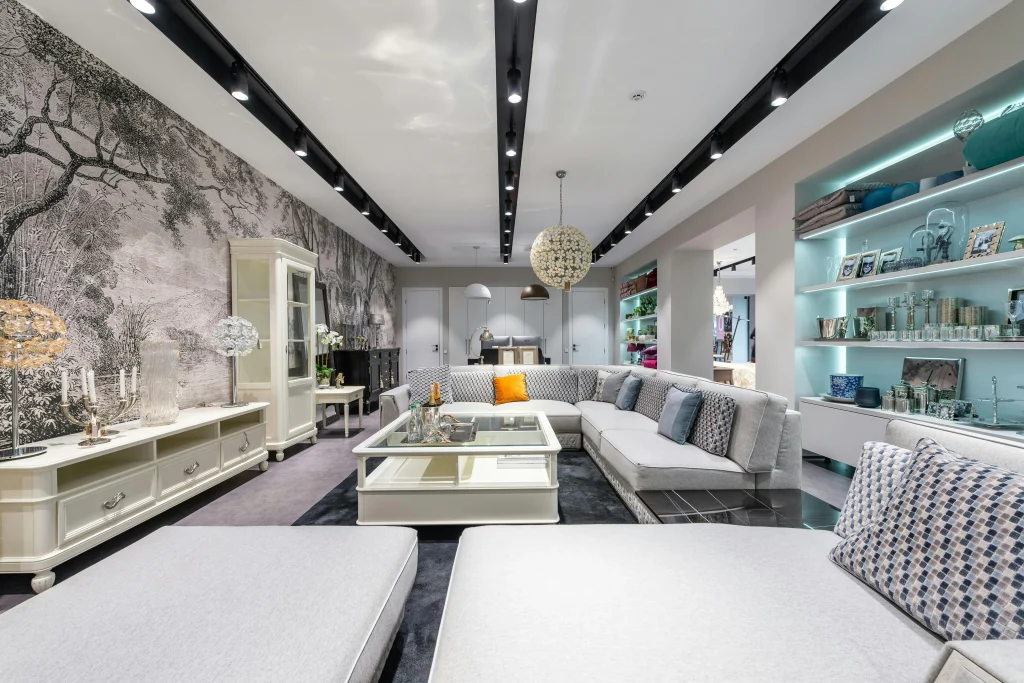
Many people believe every item in a room must match exactly. Experts explain that too much matching can make a space feel repetitive and flat.
Using a thoughtful mix of styles adds interest, depth, and personality.
3. Small Rooms Should Only Use Small Furniture
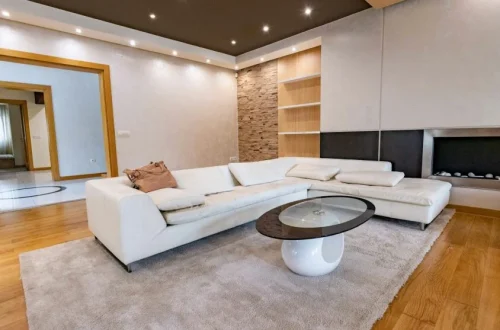
While size is important, using only small furniture can make a room feel unfinished. A balanced mix often creates a better result.
Design professionals suggest choosing furniture that fits the room proportionally instead of relying only on small pieces.
4. Dark Colors Should Always Be Avoided
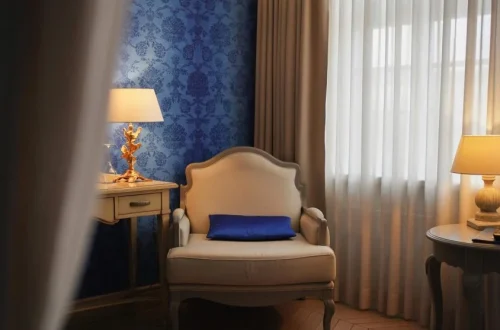
Dark colors can work well when used carefully. They can add depth, contrast, and a more polished feel to a space.
Experts recommend pairing dark tones with lighter elements to maintain balance.
Credit: Abhishek Navlakha / Pexels
5. Furniture Must Be Placed Against Walls
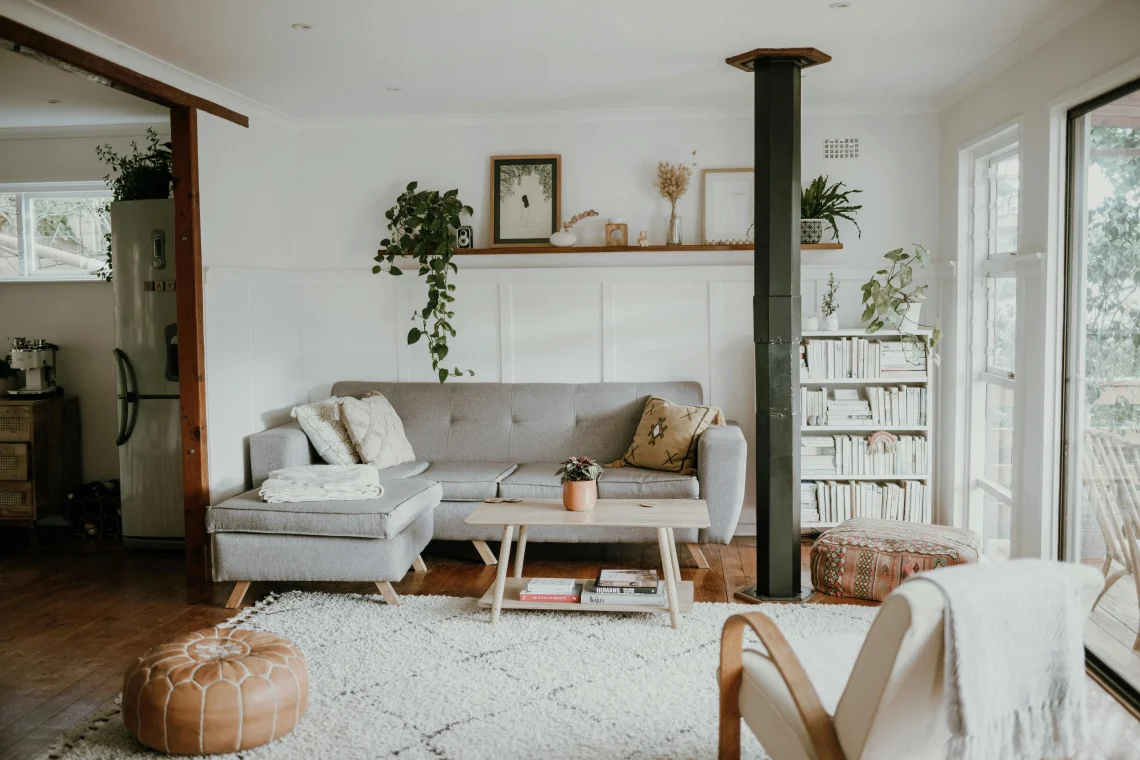
Placing every piece of furniture against the walls can limit your layout options. Experts suggest creating smaller groupings within the room instead.
This approach can improve comfort and make the space feel more inviting for conversation and everyday use.
6. Trends Must Always Be Followed
Following every trend can make a home feel inconsistent. Experts recommend focusing more on personal comfort and practical needs.
Timeless design choices often provide better long-term results.
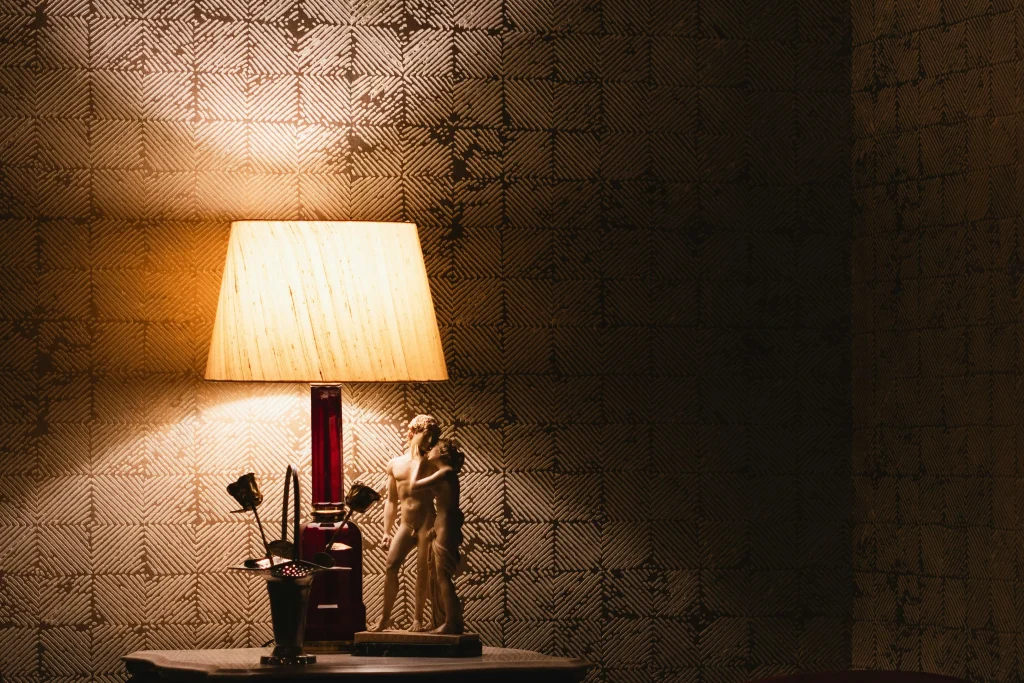
7. Lighting Is Not Important in Decor
Lighting plays a major role in how a room looks and feels. Poor lighting can weaken the effect of even well-chosen decor.
Lighting experts emphasize using multiple light sources to create a better overall atmosphere.
8. All Walls Need Decoration
Empty wall space can help create balance. Covering every wall can make a room feel cluttered and visually heavy.
Experts recommend leaving some areas open so the space feels calmer and more organized.
9. Expensive Items Guarantee Better Design
A higher price does not always lead to better design. Thoughtful planning matters more than cost.
Experts suggest focusing on layout, balance, and function rather than relying on expensive items.
Frequently Asked Questions
Q: What are interior decor myths?
A: These are common beliefs about decorating that may lead to poor design choices.
Q: Can minimal decor improve a room?
A: Yes, minimal decor often creates a clean and balanced appearance.
Q: Should furniture always be placed against walls?
A: No, grouping furniture can improve layout and comfort.
Q: Are expensive decor items necessary?
A: No, good design depends on planning and balance, not cost.