Choosing furniture can shape both the look and function of a home. Learning how to choose the right furniture helps create spaces that feel comfortable, practical, and well balanced. This process involves considering size, layout, and the overall design of the room.
According to interior design experts, careful furniture selection can improve daily living and help reduce clutter. Thoughtful choices also make sure each piece has a clear purpose.
Why Size Matters When You Choose the Right Furniture
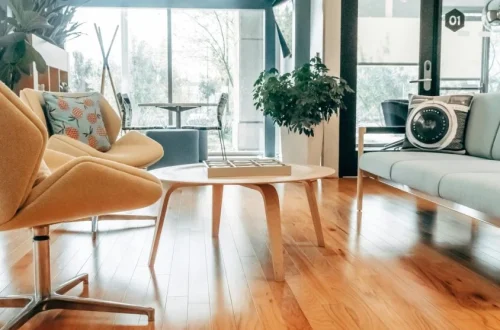
Furniture size should match the room. Oversized pieces can make a space feel crowded, while very small items may not provide enough function.
Experts recommend measuring the room before buying furniture. This helps ensure each piece fits properly while still leaving enough space for easy movement.

Credit: Meruyert Gonullu / Pexels
Consider Function First in Furniture Selection
Every piece of furniture should serve a clear purpose. For example, a sofa provides seating, while a table offers a surface for everyday use.
Home design professionals suggest prioritizing function before style. This ensures the furniture supports daily needs and makes the space more practical.
Focus on Comfort Along with Style
Comfort is an important factor when choosing furniture. Chairs, sofas, and beds should provide proper support for regular use.
Experts explain that comfortable furniture improves long-term usability and overall satisfaction.
Match Furniture with Room Layout
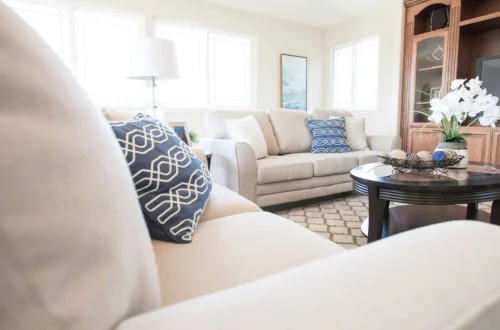
Layout affects how furniture works within a space. Items should be arranged in a way that allows easy movement.
Interior specialists recommend keeping clear paths and avoiding furniture placement that blocks doorways or windows.

Credit: SHVETS production / Pexels
Choose Materials That Suit Your Lifestyle
Furniture materials affect both durability and maintenance. Wood, metal, and fabric each serve different purposes and require different levels of care.
Experts note that homes with children or pets may need more durable materials that can handle everyday wear.
Maintain Consistent Design Style
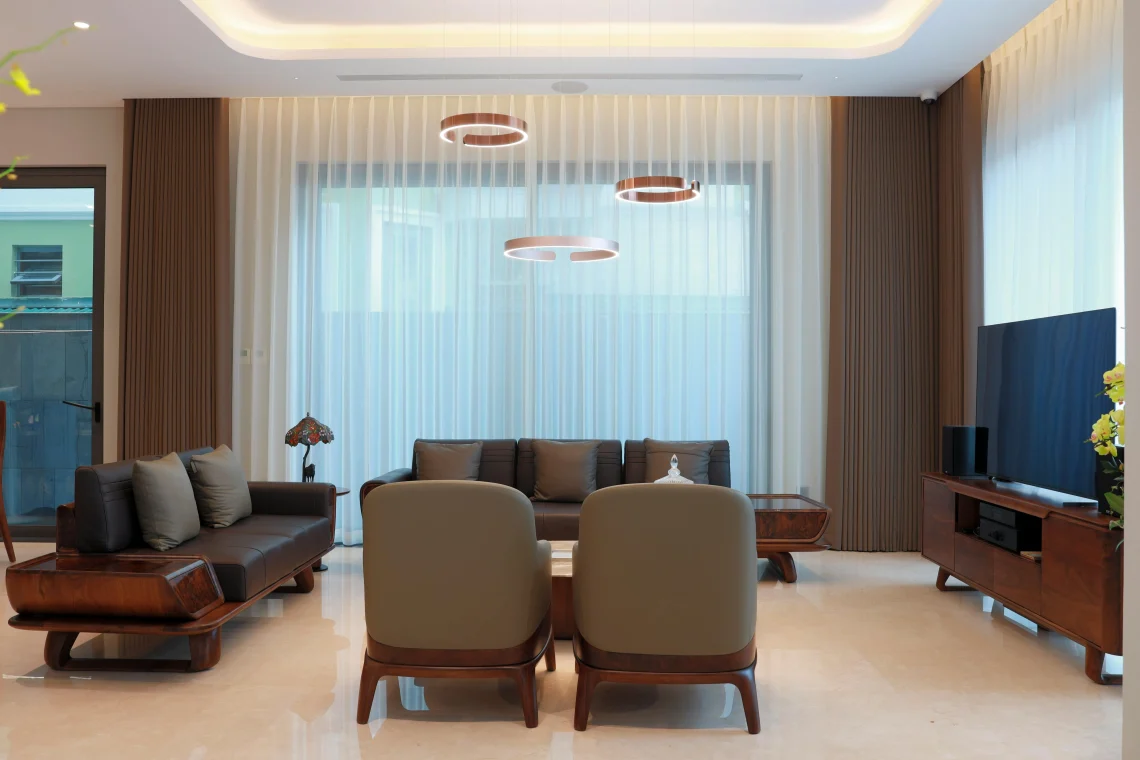
Consistency helps create a balanced look throughout the home. Furniture should fit the overall design theme of the space.
Design professionals suggest using similar colors, shapes, or materials to create a more connected and organized appearance.
Use Multi-Functional Furniture When Needed
Multi-functional pieces can save space and improve usability. Examples include storage beds, foldable tables, and other practical furniture options.
Experts recommend these pieces especially for smaller homes, where each item needs to offer clear value.
Avoid Overcrowding the Room
Too much furniture can reduce comfort and make movement harder. Keeping only necessary items helps maintain open space.
Interior designers explain that simple arrangements often work better than crowded layouts.
Plan for Long-Term Use
Furniture should be able to last over time. Choosing durable and adaptable pieces helps reduce the need for frequent replacements.
Experts suggest selecting items that can work well with different layouts in the future.
Frequently Asked Questions
Q: How do I choose the right furniture for small rooms?
A: Use compact and multi-functional furniture to save space and improve usability.
Q: Why is furniture size important?
A: Proper size ensures comfort, movement, and better use of available space.
Q: Should function or style come first?
A: Experts recommend focusing on function first, then choosing a matching style.
Q: How can I avoid overcrowding a room?
A: Keep only essential furniture and maintain clear walking paths.