Buying furniture is an important part of designing a home. However, many homeowners follow common beliefs that may not lead to the best results. Understanding these furniture buying myths helps improve both comfort and design.
According to interior design experts, avoiding common mistakes can save money and improve long-term satisfaction. Practical decisions often lead to better outcomes.
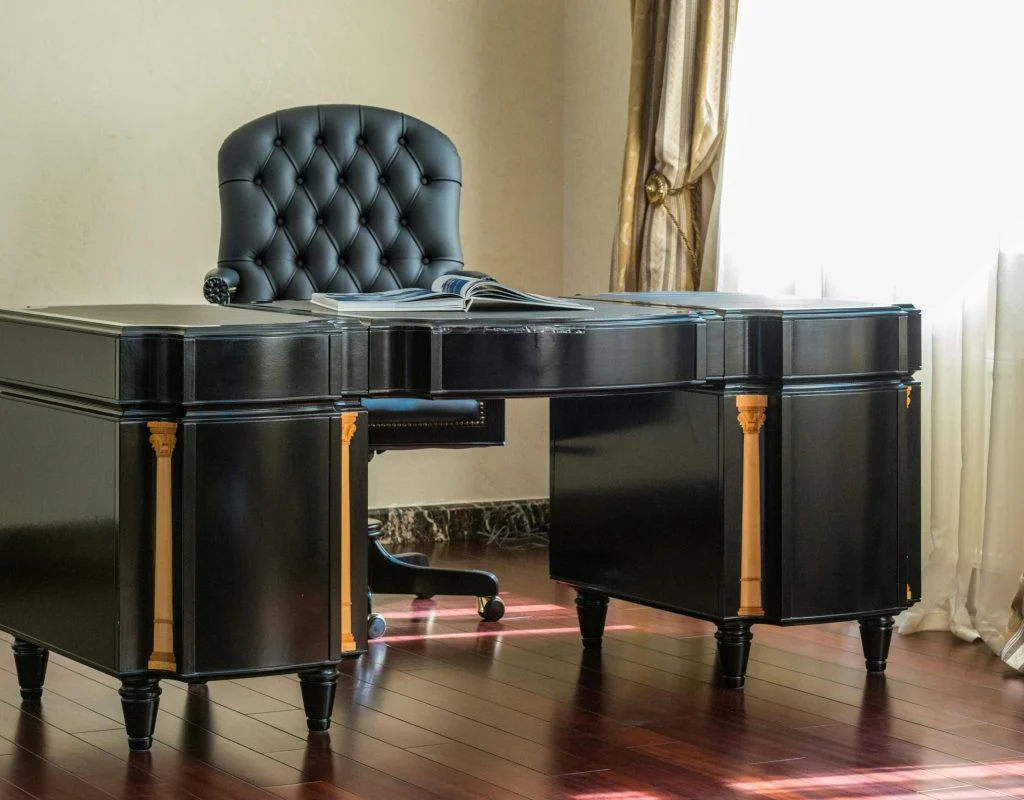
1. Expensive Furniture Is Always Better
High price does not always mean better quality. Some affordable options can provide similar durability and comfort.
Experts recommend checking materials and build quality instead of focusing only on price.
Credit: Max Vakhtbovych / Pexels
2. Matching Sets Create the Best Look
Many believe that buying matching furniture sets ensures a perfect design. Experts explain that mixing styles can create more visual interest.
A balanced combination often works better than identical pieces.
3. Bigger Furniture Is More Comfortable
Large furniture can make a room feel crowded. Comfort depends on proper size and fit, not just scale.
Experts suggest choosing furniture that matches room dimensions.
4. Furniture Should Always Be Against Walls
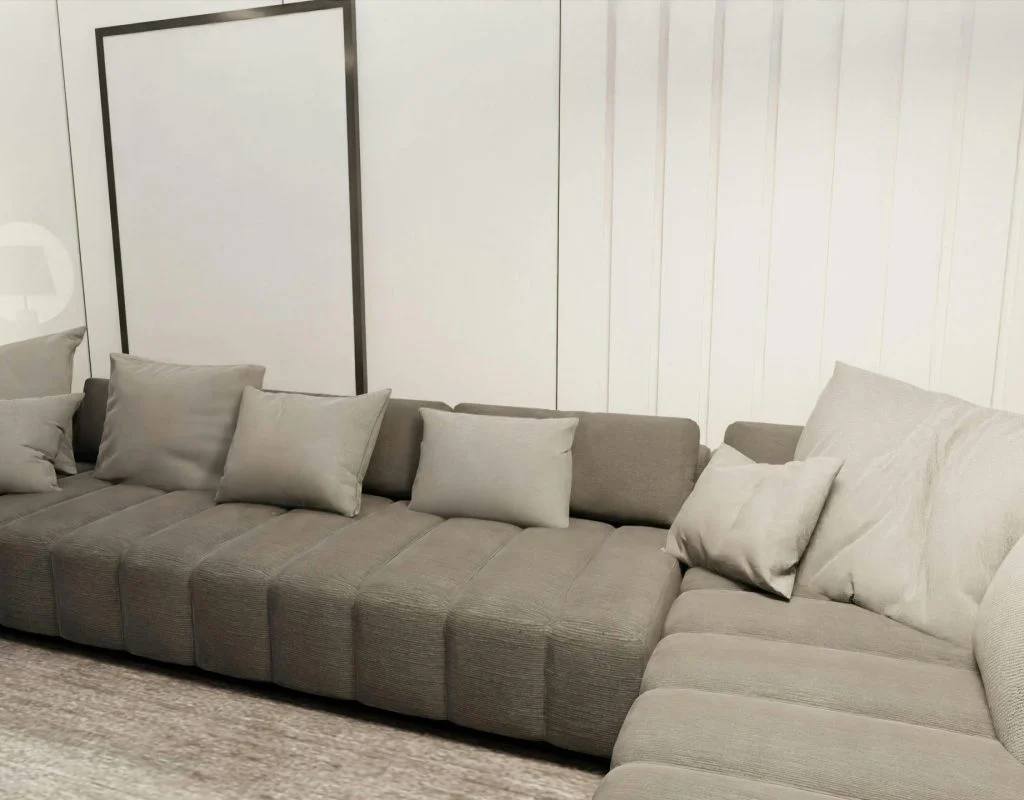
Placing all furniture along walls can limit layout options. Creating small groupings improves interaction and comfort.
Interior designers recommend flexible arrangements.
Credit: dada _design / Pexels
5. Trends Should Guide Every Purchase
Following trends can lead to short-term satisfaction. Experts recommend focusing on timeless designs.
Practical and classic pieces often last longer.
6. Comfort Can Be Ignored for Style
Style should not replace comfort. Furniture is used daily and must support proper seating and use.
Experts emphasize testing furniture before buying.
7. All Rooms Need the Same Type of Furniture
Different rooms have different needs. Using the same type of furniture everywhere may reduce functionality.
Experts recommend selecting items based on room purpose.
8. Lightweight Furniture Is Less Durable
Weight does not always indicate quality. Some lightweight materials are strong and long-lasting.
Experts suggest checking construction methods instead.
9. Buying More Furniture Improves a Room
Adding too many pieces can reduce space and comfort. A few well-chosen items often work better.
Experts recommend keeping layouts simple and balanced.
Frequently Asked Questions
Q: What are furniture buying myths?
A: These are common beliefs that may lead to poor furniture choices and design results.
Q: Is expensive furniture always better?
A: No, quality depends on materials and construction, not just price.
Q: Should furniture match exactly?
A: Not always. Mixing styles can create a more interesting design.
Q: Why is comfort important when buying furniture?
A: Furniture is used daily, so comfort is essential for usability.
Key Takeaway
Furniture buying myths can lead to poor decisions and unnecessary costs. Experts recommend focusing on quality, comfort, and proper layout instead of common misconceptions. These steps help create better and more functional living spaces.