Furniture placement plays an important role in how a room looks and functions. These furniture placement tips focus on improving comfort, movement, and overall design. Many homeowners adjust their layouts to create more usable space.
According to interior design experts, proper placement can make rooms feel more open and organized. Even small changes can lead to noticeable improvements.
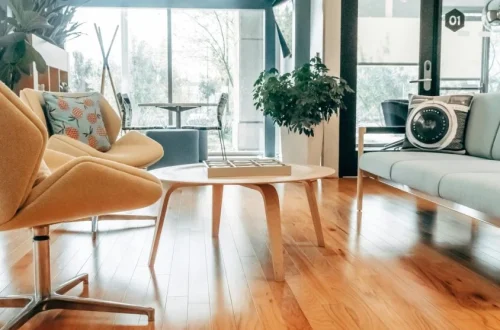
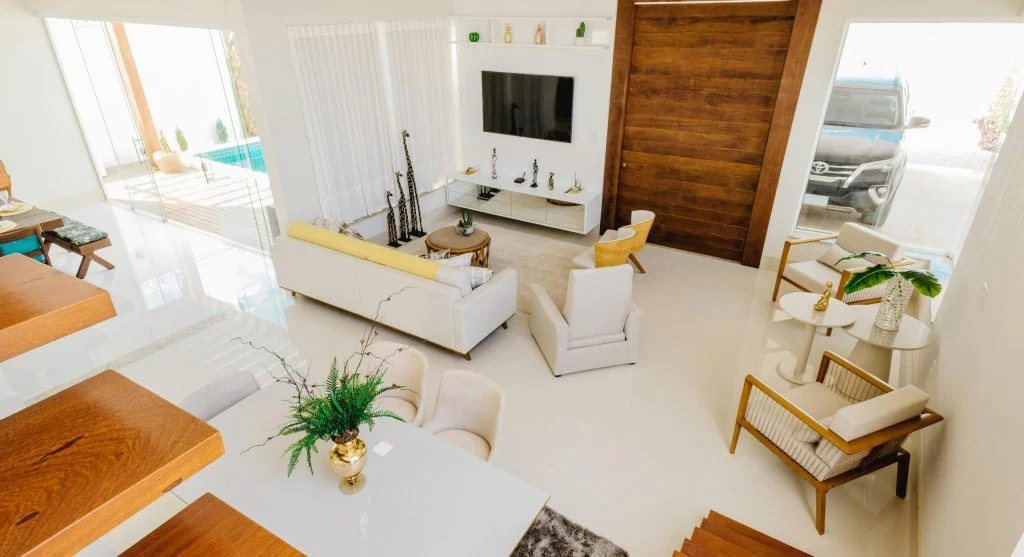
1. Keep Clear Walking Paths
Clear pathways are essential for easy movement. Furniture should not block entryways or main areas.
Experts recommend leaving enough space between items.
Credit: Jonathan Borba / Pexels
2. Arrange Around a Focal Point
A focal point helps organize the layout. Furniture should be placed in a way that highlights key features, such as a seating area or window.
Experts explain that focal points improve balance.
3. Avoid Pushing Everything Against Walls
Placing all furniture along the walls can make a room feel disconnected. Grouping items creates better interaction.
Design professionals suggest flexible layouts.
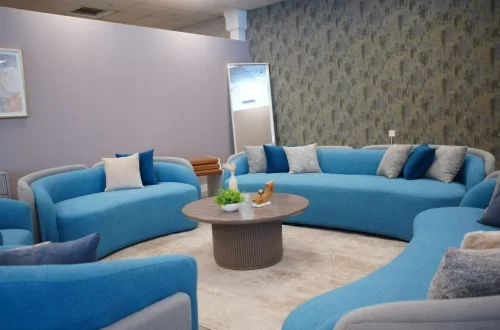
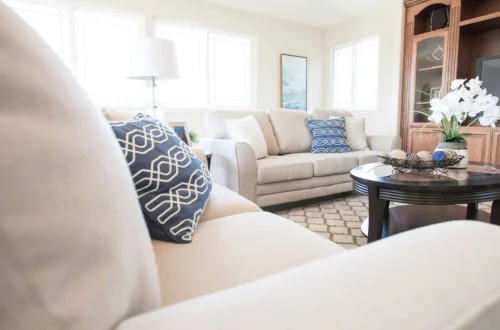
4. Use Rugs to Define Areas
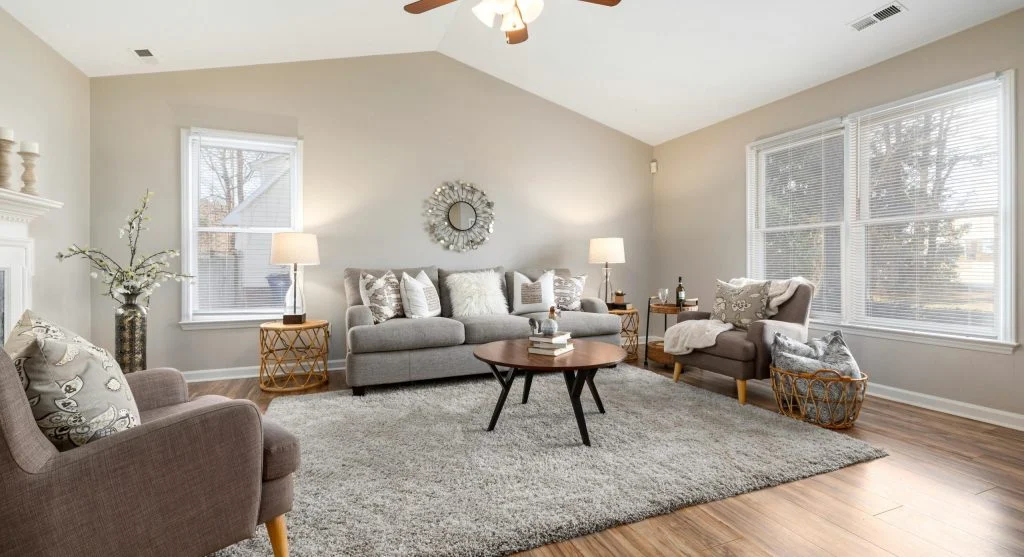
Rugs help separate spaces, especially in open layouts. They add structure to the room.
Experts recommend choosing rugs that match the furniture size.
Credit: Curtis Adams / Pexels
5. Maintain Balance in the Room
Balance helps ensure no area feels too crowded or too empty. Even placement improves comfort.
Experts suggest distributing furniture evenly.
6. Match Furniture Size with Room Size
Furniture should fit the space properly. Oversized items can reduce movement and usability.
Experts recommend measuring before placing furniture.
7. Leave Space Between Furniture Pieces
Good spacing improves both comfort and appearance. It also helps prevent the room from feeling cramped.
Experts suggest maintaining consistent gaps.
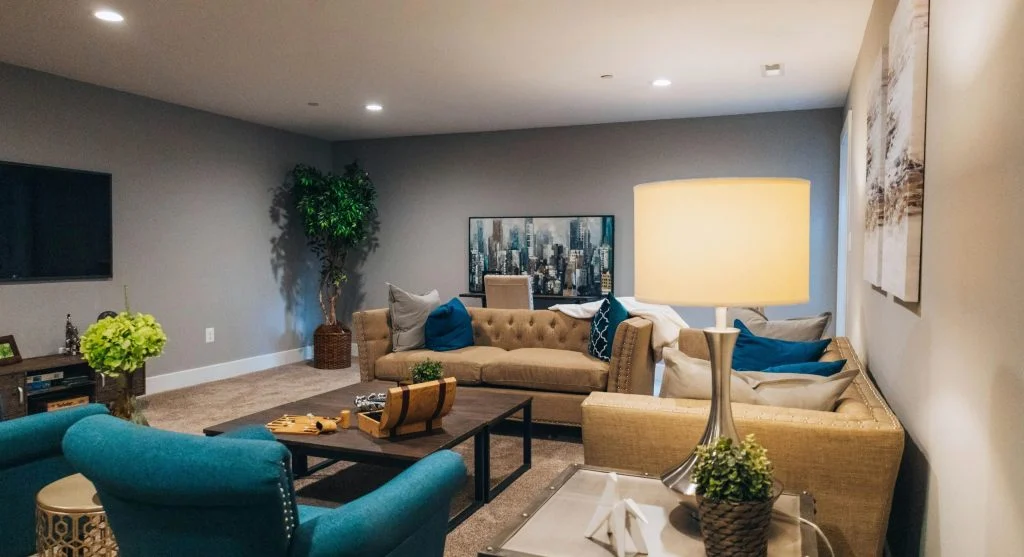
8. Consider Lighting Placement
Furniture should support lighting sources. Lamps and lights should highlight key areas.
Lighting specialists emphasize proper positioning.
9. Keep Function in Mind
Placement should support daily activities. Seating, workspaces, and storage should be easy to access.
Experts recommend focusing on usability.
10. Test and Adjust Layout Regularly
Trying different arrangements helps find the best layout. Small changes can improve comfort and flow.
Experts suggest reviewing layouts often.
Frequently Asked Questions
Q: What are furniture placement tips?
A: These are simple ideas that help improve layout, comfort, and movement.
Q: Why are clear pathways important?
A: They improve movement and make spaces easier to use.
Q: Should furniture always be placed against walls?
A: No, grouping furniture often creates better interaction.
Q: How can I improve my room layout?
A: Rearranging furniture and keeping spaces organized can help.