
Home design has a big effect on everyday comfort and usability. However, many common beliefs can lead to poor design choices. Understanding home design myths can help improve both layout and functionality.
According to interior design experts, avoiding these myths helps homeowners create spaces that feel more practical and comfortable. Simple adjustments often lead to better results.
1. Bigger Spaces Always Feel Better
Larger spaces do not always create better comfort. A poor layout can make big rooms feel empty or impractical.
Experts recommend focusing on usability rather than size.
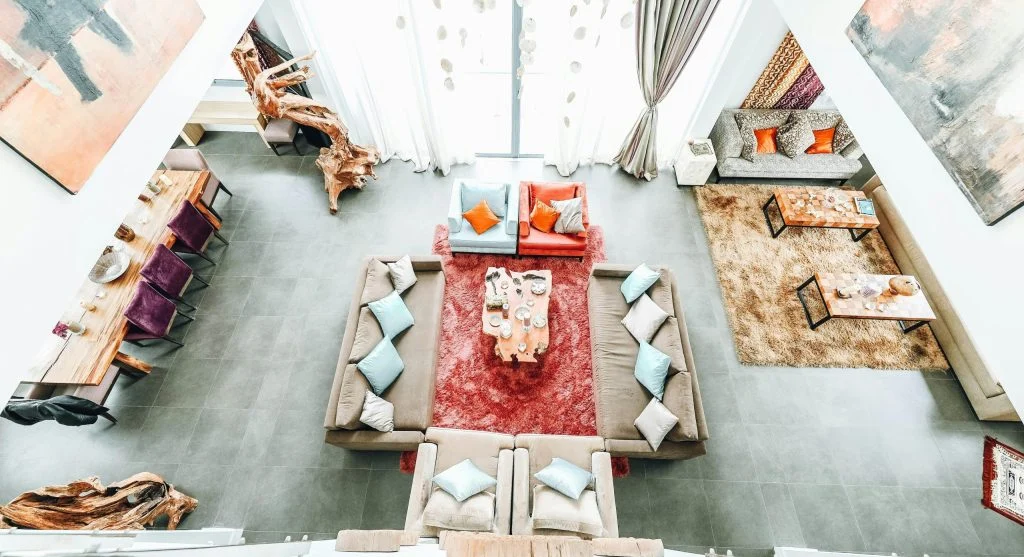
Credit: Zak Chapman / Pexels
2. Open Layouts Work for Every Home
Open layouts are popular, but they do not suit every home. Some homes need defined spaces to function better.
Experts suggest choosing a layout based on lifestyle.
3. More Furniture Means More Comfort
Adding too much furniture can reduce space and make movement harder. Comfort often comes from a simple, well-planned layout.
Experts recommend using only essential items.
4. Dark Colors Should Always Be Avoided
Dark colors can add depth when they are used properly. Balancing them with lighter tones can improve the overall result.
Experts suggest combining colors carefully.
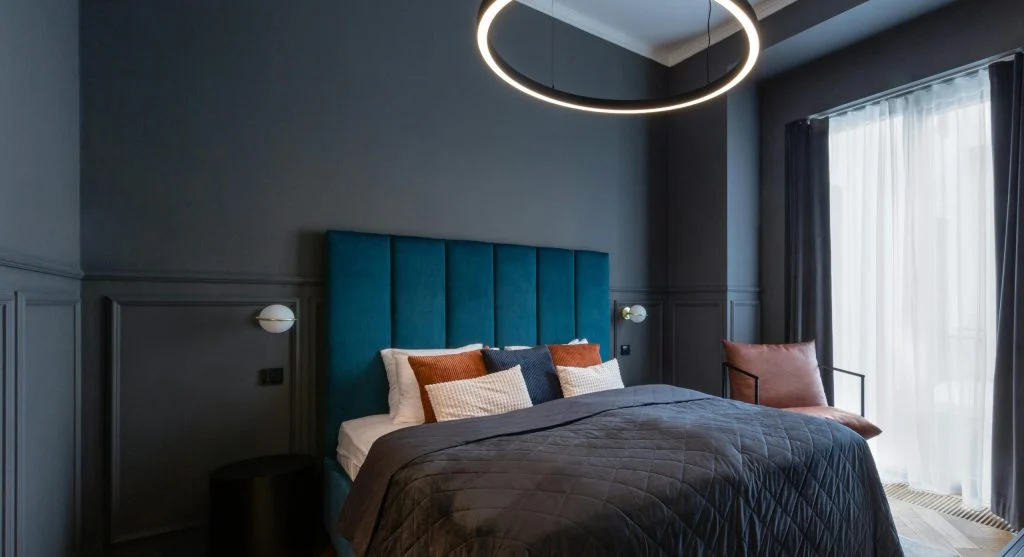
Credit: TurnKey Apartments / Pexels
5. Matching Everything Creates Better Design
Perfectly matching everything can make a room feel repetitive. A thoughtful mix of styles often creates better balance.
Experts recommend combining elements with care.
6. Lighting Is Not a Priority
Lighting plays an important role in both comfort and design. Poor lighting can make a space less usable.
Lighting experts highlight its importance.
7. Storage Is Not Important in Design
A lack of storage often leads to clutter. Proper storage improves organization and comfort.
Experts recommend planning storage early.
8. Trends Should Always Be Followed
Trends change quickly and may not suit every home. Practical design usually works better in the long run.
Experts suggest focusing on needs rather than trends.
9. Empty Space Means Poor Design
Empty space can improve balance and movement. Overfilling a room often creates clutter.
Experts recommend leaving some areas open.
Frequently Asked Questions
Q: What are home design myths?
A: These are common beliefs that can lead to poor design decisions.
Q: Why should I avoid design myths?
A: Avoiding them improves comfort and usability.
Q: Is open layout always the best choice?
A: It depends on your needs and space.
Q: Does lighting matter in home design?
A: Yes, it plays a major role in comfort and appearance.