You’ve probably experienced it before.
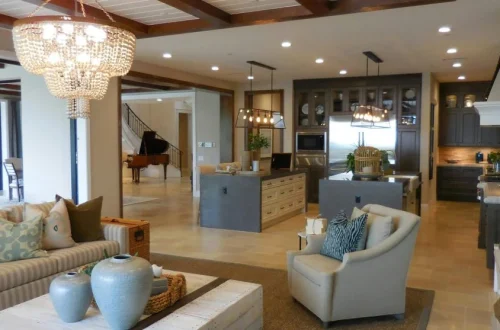
You walk into a home — maybe a friend’s, maybe a rental, maybe even a hotel — and within seconds, you feel at ease. Nothing seems particularly expensive. Nothing stands out as “designed.” Yet the space feels right.
That feeling isn’t accidental.
It’s the result of subtle interior decor decisions that shape how your brain reacts to space, light, texture, and arrangement. Comfort isn’t just about furniture — it’s about how a room communicates with you without saying a word.
The Hidden Role of Familiarity
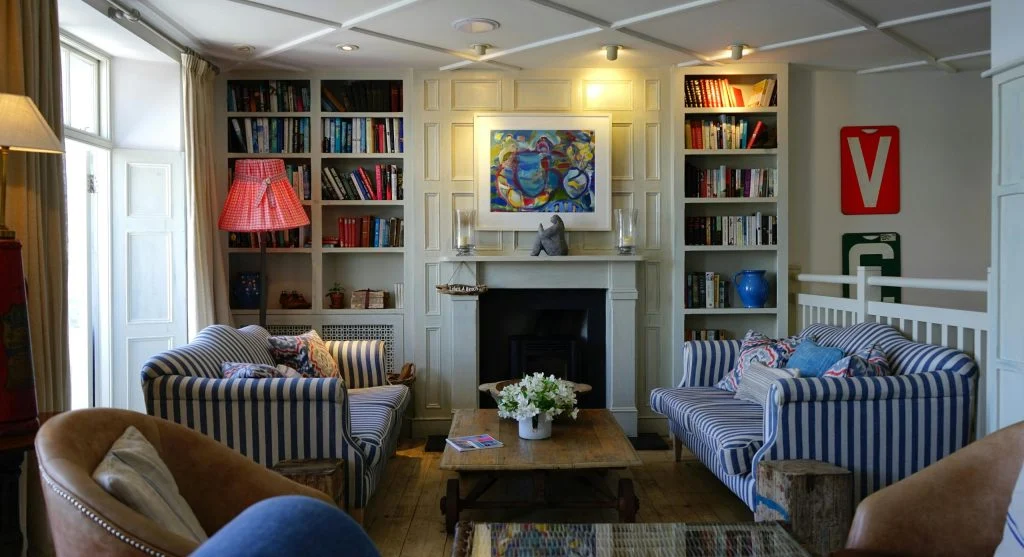
One reason some homes feel instantly comfortable is familiarity. Spaces that use simple, recognizable patterns — soft colors, natural materials, balanced layouts — feel easier to process.
Your brain doesn’t have to “figure out” the room. It understands it quickly, and that creates calm.
Rooms that feel uncomfortable often do the opposite. They introduce too many competing elements at once — sharp contrasts, unusual layouts, or excessive visual noise.
Comfort begins where confusion ends.
Why Movement Matters More Than Style
Many people focus on how a room looks. Experts often focus on how it feels to move through.
A comfortable home allows effortless movement. You don’t think about where to walk, where to sit, or how to reach something — it all feels natural.
This isn’t about minimalism or decoration. It’s about flow.
When movement is blocked, even a beautiful room feels stressful.
The Comfort of “Soft Boundaries”
Interestingly, the most comfortable homes are not fully open — and not fully divided either.
They use what designers call soft boundaries.
These are subtle separations:
– A rug that defines a sitting area
– A shelf that gently divides spaces
– Lighting that changes between zones
Instead of walls, these cues guide behavior.
Your brain understands where one activity ends and another begins — without feeling restricted.
Texture: The Silent Influence
Color gets attention. Texture shapes experience.
Think about it:
– A rough surface feels active
– A soft surface feels calming
– A glossy surface feels formal
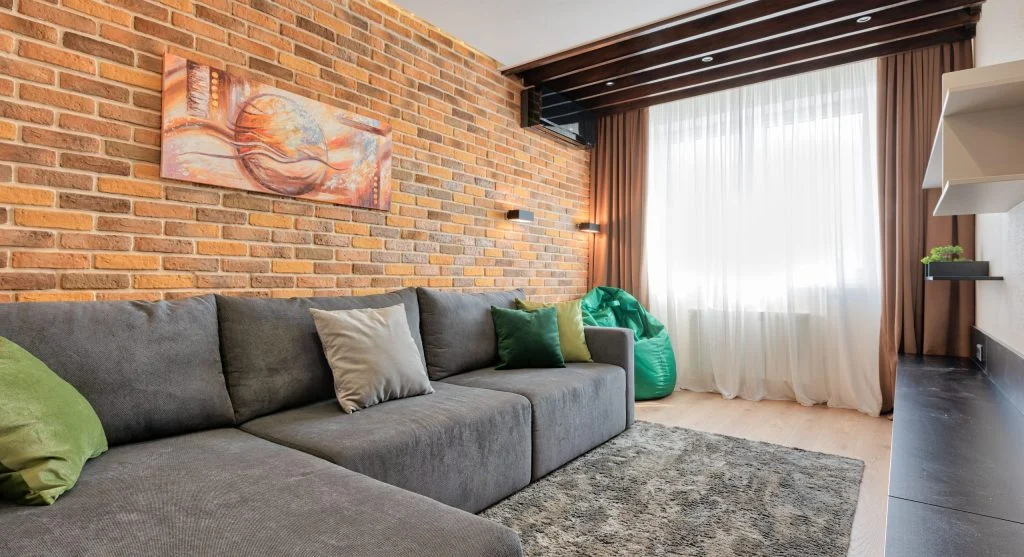
Comfortable homes often mix textures quietly — soft fabrics, natural wood, matte finishes.
This combination reduces visual tension and creates depth without overwhelming the space.
Why “Perfect” Rooms Often Feel Uncomfortable
Ironically, rooms that look perfect in photos often feel uncomfortable in real life.
Why?
Because perfection removes personality.
When everything is aligned, matched, and untouched, the space feels more like a display than a living environment.
Comfort comes from slight imperfection:
– A casually placed cushion
– A slightly uneven arrangement
– Objects that look used, not staged
These details signal that the space is meant to be lived in.
The Role of Light in Emotional Comfort
Light is one of the strongest emotional triggers in a home.
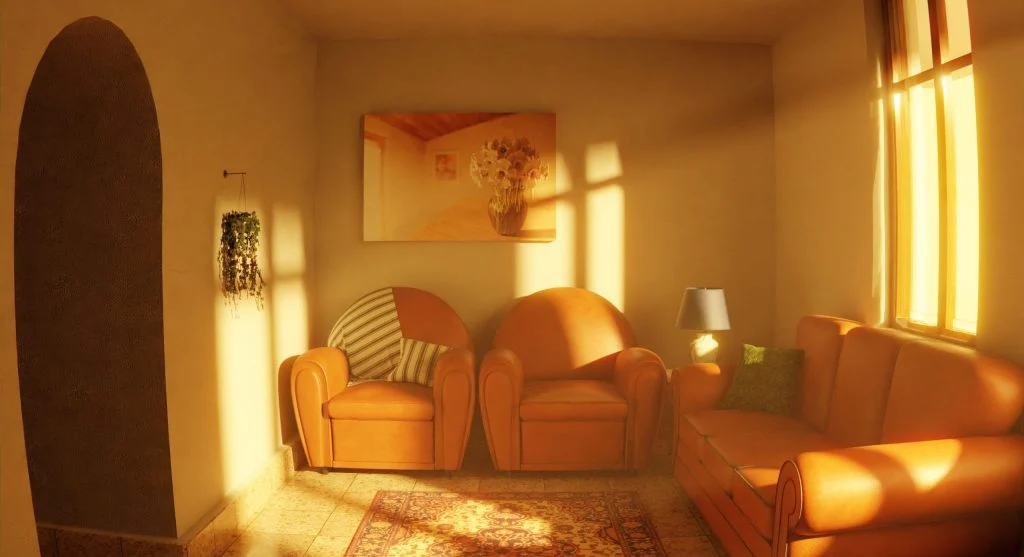
Soft, indirect lighting creates calm. Harsh, direct lighting creates alertness.
Homes that feel comfortable often use layered lighting:
– Ambient light for general visibility
– Soft lamps for relaxation
– Natural light where possible
The goal isn’t brightness — it’s balance.
Comfort Is Built, Not Bought
One of the biggest misconceptions is that comfort comes from expensive furniture or high-end decor.
In reality, comfort is created through alignment:
– Space matches how you move
– Design matches how you live
– Details match how you feel
When these align, even a simple room can feel deeply satisfying.
Frequently Asked Questions
Q: Why do some homes feel more comfortable than others?
A: Because of layout, lighting, texture, and how easily the brain processes the space.
Q: Is comfort related to expensive decor?
A: No, it depends more on design choices than cost.
Q: What makes a room feel stressful?
A: Clutter, poor flow, harsh lighting, and too many competing elements.
Q: Can small changes improve comfort?
A: Yes, even small adjustments in layout or lighting can have a strong impact.
Key Takeaway
Interior decor comfort is not about decoration alone. It comes from how a space supports movement, reduces mental effort, and creates emotional ease. The most comfortable homes are not the most perfect — they are the most natural to live in.