In a large home, rooms stay the same all day.
In a small home, everything changes.
A dining table becomes a workspace. A sofa becomes a rest zone. A quiet corner turns into a productivity spot. The same square footage supports multiple versions of your day if it’s designed well.
Understanding how space shifts over time is the key to making small homes feel comfortable instead of limiting.
Morning: The Need for Clarity and Movement
Mornings are about movement.
You walk, prepare, get ready, and transition into the day. In a small home, clutter or blocked pathways become immediately noticeable during this time.
A well-designed space supports quick actions:
– Clear walking paths
– Easy access to essentials
– Minimal obstacles
If mornings feel stressful, the issue is often layout not space size.
Midday: Space Becomes Functional
By midday, the home shifts from movement to function.
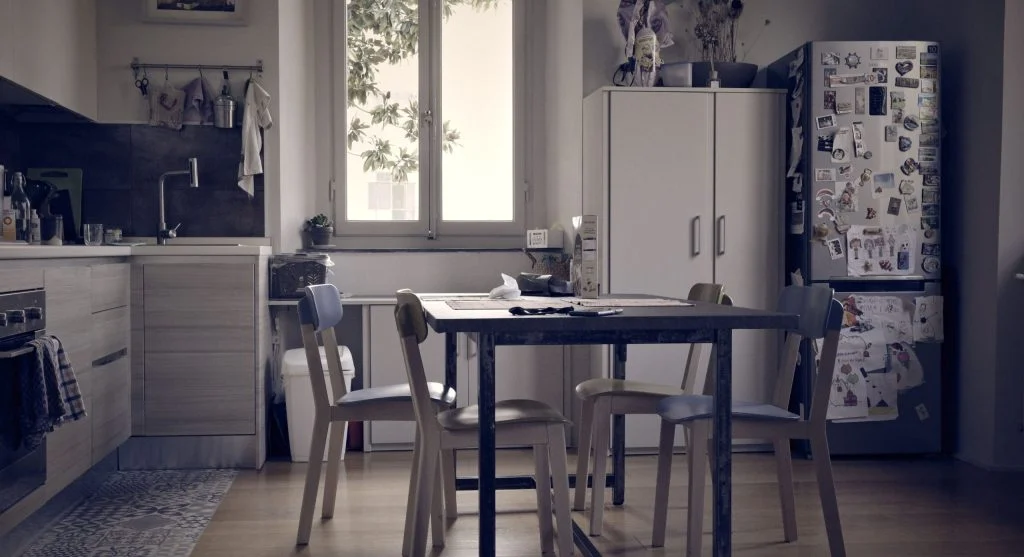
This is when work, tasks, or focused activities take place. In small homes, this often means transforming one area into something else.
A table might become a workspace. A quiet corner might become a study area.
The key is flexibility not adding more space, but allowing the same space to serve different roles.
Afternoon: The Balance Between Activity and Rest
Afternoons often require a mix of energy and relaxation.
This is where poor design becomes noticeable.
If a space cannot support both activity and rest, it starts to feel uncomfortable. For example, a room that is too bright may not support relaxation, while a dim space may reduce productivity.
Balanced environments allow easy transition between these states.
Evening: Comfort Becomes Priority
As the day ends, comfort becomes the focus.
Lighting softens. Movement slows. The same space used for work now needs to support rest.
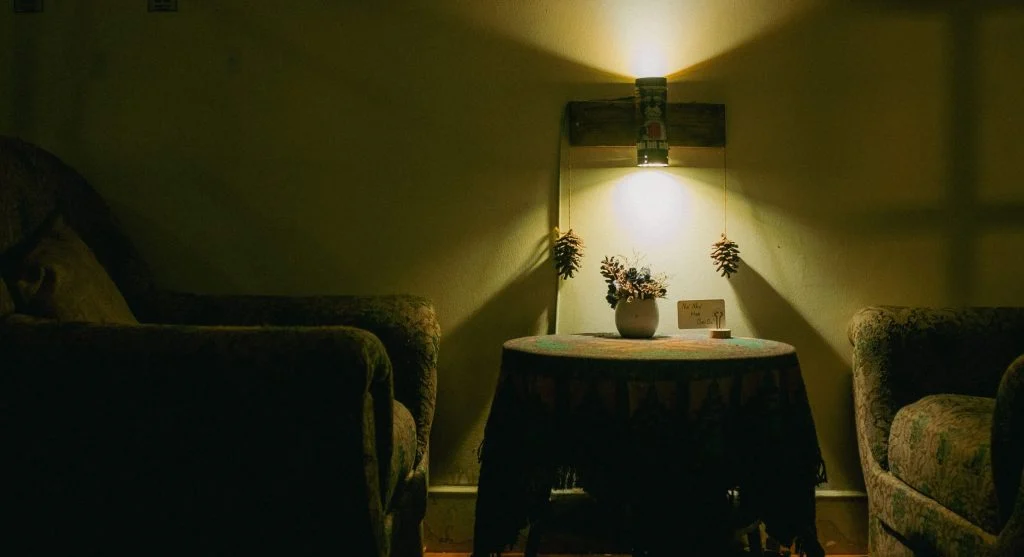
This shift doesn’t require new furniture it requires adaptable design:
– Lighting changes
– Seating comfort
– Reduced visual noise
The environment signals your brain that it’s time to slow down.
Night: Space Resets Itself
In small homes, night is not just about rest it’s about reset.
Spaces return to their neutral state, ready for the next day’s cycle.
This is why organization matters more in small spaces. Without resetting, the next day starts with friction.
The Real Secret: Spaces That Change With You
The most effective small homes are not static.
They are dynamic.
They adapt quietly:
– From movement to focus
– From activity to rest
– From function to comfort
This adaptability is what makes a small space feel larger than it is.
Why Some Small Homes Feel Bigger Than Large Ones
It’s not about square footage it’s about usability over time.
A large home with poor flow can feel restrictive.
A small home that supports daily transitions can feel open, efficient, and comfortable.
The difference is not size. It’s design thinking.
Frequently Asked Questions
Q: How can a small space handle multiple uses?
A: By using flexible layouts and adaptable furniture.
Q: Why do small homes feel stressful sometimes?
A: Often due to poor layout or lack of organization.
Q: Can lighting change how a space feels?
A: Yes, it affects mood and energy levels.
Q: Do I need more furniture for flexibility?
A: No, better use of existing space is usually enough.
Key Takeaway
Small space daily living is not about limitation it’s about transformation. Homes that adapt throughout the day feel more comfortable, functional, and efficient, regardless of their size.