Furniture plays a major role in comfort and usability at home. However, many people follow ideas that are not always correct. These furniture myths can lead to poor layouts, clutter, and reduced comfort.
According to interior design experts, choosing and placing furniture correctly improves both function and appearance. Avoiding common misconceptions helps create better living spaces.
1. Furniture Should Always Be Against the Wall
Placing everything against walls can make a room feel empty and less functional.
Experts recommend creating balanced layouts instead.
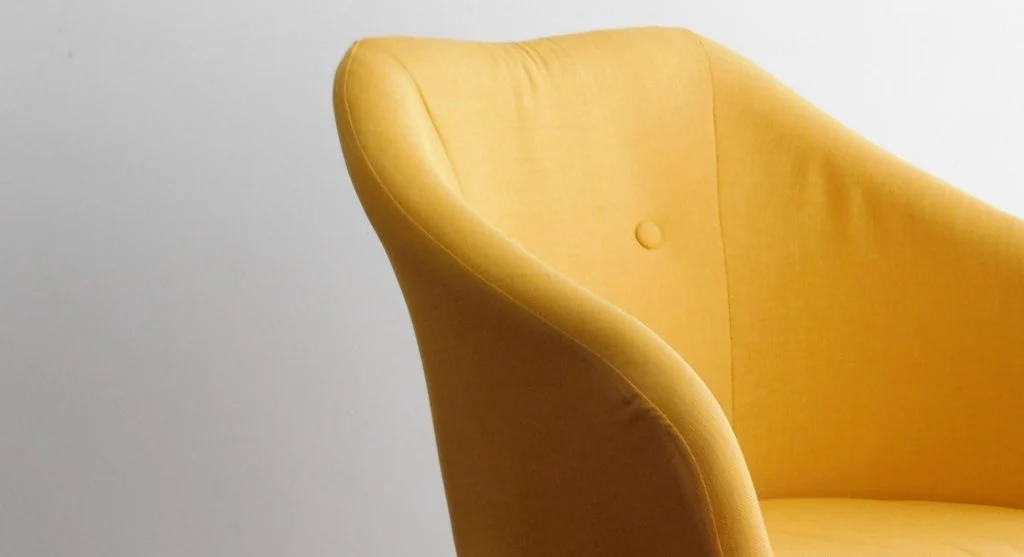
2. Bigger Furniture Is Always Better
Large furniture can overwhelm a space. Proper size selection improves comfort.
Experts suggest choosing furniture that fits the room.
3. Matching Sets Create Better Design
Using identical furniture can make a space feel flat. Variety adds depth and interest.
Experts recommend mixing styles carefully.
4. More Furniture Means Better Function
Adding too many pieces creates clutter. Fewer items often improve usability.
Experts suggest focusing on essentials.

5. Comfort Depends Only on Furniture Quality
Even high-quality furniture can feel uncomfortable if placed poorly.
Experts emphasize layout and positioning.
6. Small Rooms Need Only Small Furniture
Using only small pieces can make a room feel unbalanced. A mix often works better.
Experts suggest combining sizes.
7. Furniture Layout Does Not Need Changing
Needs change over time. Adjusting layout improves usability.
Experts recommend regular updates.
8. Decorative Furniture Is Not Important
Decorative pieces can improve both function and style when used correctly.
Experts suggest balanced use.
Frequently Asked Questions
Q: What are furniture myths?
A: These are incorrect beliefs about choosing and arranging furniture.
Q: Should furniture always be against walls?
A: No, balanced placement often works better.
Q: Is more furniture better?
A: No, too much can create clutter.
Q: Does layout affect comfort?
A: Yes, placement plays a major role.
Key Takeaway
Furniture myths can lead to poor layouts and reduced comfort. Experts recommend focusing on proper placement, balanced design, and practical choices. These steps help create functional and comfortable living spaces.