Planning a home layout is important for creating a living space that feels comfortable, practical, and easy to use. Learning how to plan a functional home layout can improve movement, organization, and everyday usability. Many homeowners benefit from using simple layout planning strategies before arranging their space.
According to design experts, a well-planned layout supports daily activities and helps reduce unnecessary effort. Even small adjustments can make a noticeable difference in long-term comfort.
Step 1: Understand How Each Space Is Used
Each room should support the activities that happen there most often. Understanding those needs makes layout decisions easier and more practical.
Experts recommend focusing on daily routines.
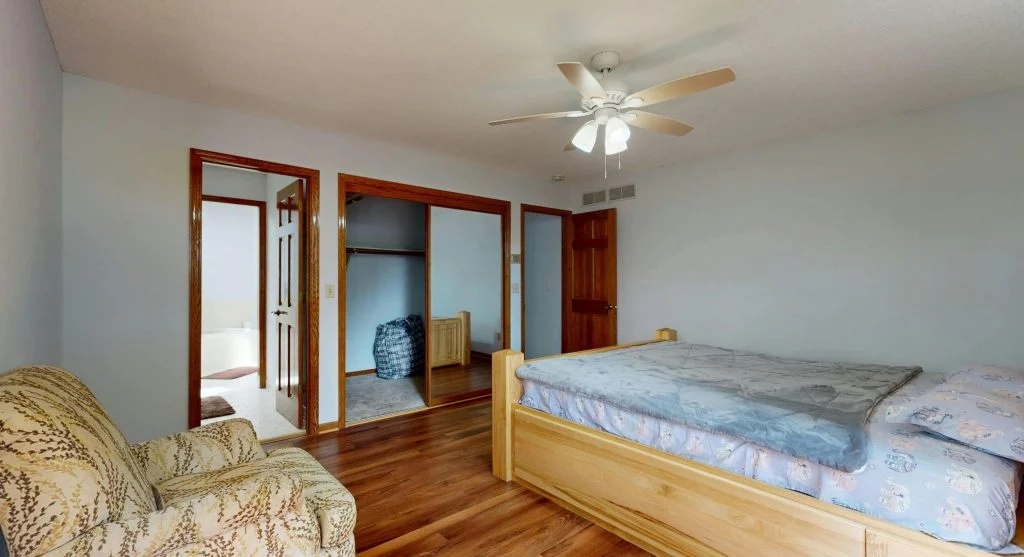
Step 2: Divide the Home into Functional Zones
Spaces should be divided into clear areas, such as seating, dining, and work zones. This helps improve organization and makes each part of the home easier to use.
Experts suggest using furniture to define zones.
Step 3: Maintain Clear Movement Paths
Pathways should stay open so people can move through the home comfortably. Clear movement paths also improve safety and make the space feel less crowded.
Experts recommend avoiding blocked areas.
Step 4: Place Furniture Strategically
Furniture should be placed where it is easy to use and access. Good placement improves daily convenience and helps each room work better.
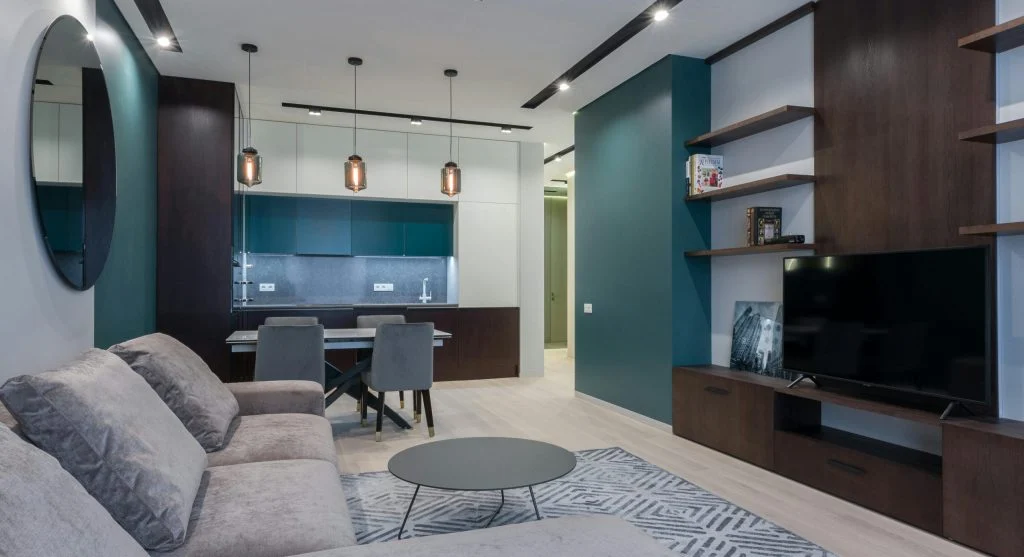
Step 5: Use Multi-Functional Spaces
Rooms can often serve more than one purpose. This is especially helpful in smaller homes where every area needs to work harder.
Experts recommend flexible layouts.
Step 6: Plan Storage Within the Layout
Storage should be included as part of the layout from the beginning. This helps keep the home organized and reduces clutter.
Experts suggest built-in storage solutions.
Step 7: Maximize Natural Light
The layout should allow natural light to move through the space as freely as possible. This can improve comfort and make rooms feel larger and more open.
Experts recommend careful furniture placement.
Step 8: Review and Adjust Regularly
Home layouts may need to change over time as needs and routines shift. Reviewing the setup regularly helps make sure it continues to work well.
Experts suggest making small adjustments when needed.
Frequently Asked Questions
Q: How do I plan a functional home layout?
A: Focus on room purpose, clear pathways, and proper furniture placement.
Q: Why is layout planning important?
A: It improves comfort, movement, and usability.
Q: Can layout changes improve a home?
A: Yes, small adjustments can make a big difference.
Q: What are functional zones?
A: Areas designed for specific activities like seating or dining.