Home design is not only about appearance. Functional home design focuses on how a space works in daily life. It improves comfort, efficiency, and overall usability. Many homeowners are now prioritizing function over decoration.
According to design experts, homes that are planned for real-life use perform better over time. Practical layouts often lead to more comfortable living environments.
Function Comes Before Decoration
Design should support daily activities first. A visually appealing space that lacks function can create problems.
Experts recommend focusing on usability before adding decor.
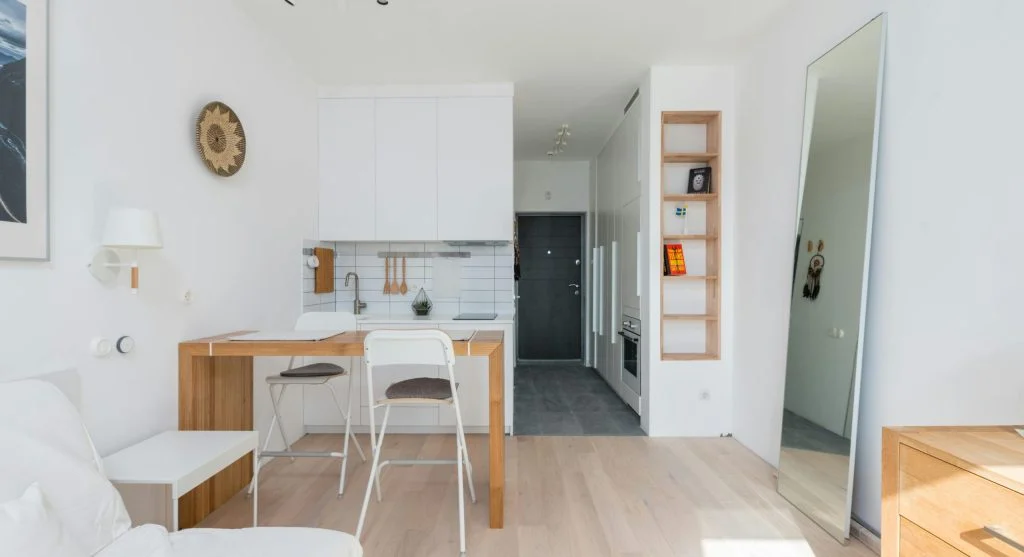
Efficient Layout Improves Movement
A well-planned layout allows easy movement between areas. This improves comfort and reduces stress.
Experts suggest avoiding blocked pathways.
Storage Is a Key Element
Proper storage helps maintain organization. It reduces clutter and improves usability.
Experts recommend built-in storage where possible.
Furniture Should Match Daily Needs
Furniture should support everyday use. Practical furniture improves both comfort and efficiency.
Experts suggest multi-functional pieces.
Lighting Supports Functionality
Good lighting improves visibility and usability. Different areas require different lighting levels.
Experts recommend layered lighting setups.
Flexibility Improves Long-Term Use
Homes should adapt to changing needs. Flexible spaces allow easy updates over time.
Experts suggest adaptable designs.
Simple Designs Work Best
Simple layouts reduce confusion and clutter. They make spaces easier to use.
Experts recommend minimal designs.
Functional Design Saves Time and Effort
Well-designed spaces reduce daily effort. Tasks become easier and more efficient.
Experts highlight long-term benefits.
Frequently Asked Questions
Q: What is functional home design?
A: It is designing spaces to improve usability and comfort.
Q: Why is function important in design?
A: It ensures spaces work well in daily life.
Q: Can functional design still look good?
A: Yes, it combines practicality with style.
Q: How can I improve home functionality?
A: Focus on layout, storage, and proper furniture.
Key Takeaway
Functional home design focuses on comfort, efficiency, and usability. Experts recommend practical layouts, proper storage, and simple design. These steps help create homes that work well for everyday living.