By Home Stead Movements Editorial Team · Published June 24, 2026
Your home may look complete. Furniture is in place, decor is arranged, and everything seems properly set. There is nothing obviously wrong with the space.
But when you spend time in it, the room feels dense. Slightly overwhelming. Not physically crowded, but mentally heavy. It does not feel open or easy.
This kind of feeling is common. A home can be well-designed visually but still feel heavy because of how elements are distributed and experienced.
Too Much Visual Weight in One Area
Every object has visual weight. Dark colors, large furniture, and solid shapes feel heavier than light ones.
When too much weight is concentrated in one area, the room feels unbalanced. Your eyes are pulled down, and the space feels dense.
Balanced weight creates openness. Unbalanced weight creates heaviness.

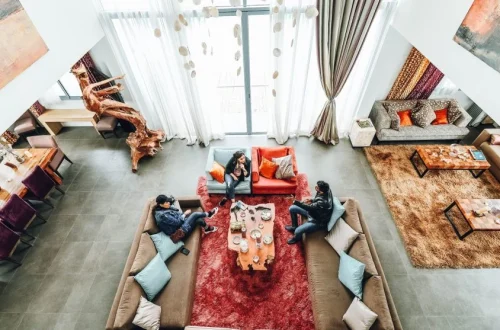
Credit: Strange Happenings / Pexels
Too Many Solid Shapes
Solid furniture blocks visual flow. When there are too many bulky shapes, the room feels closed.
– Thick sofas
– Heavy tables
– Large blocky furniture
These reduce openness and make the space feel dense.
Lack of Breathing Space
Every room needs empty space. Not unused space, but intentional openness.
When everything is filled, the room feels compressed. There is no place for your eyes to rest.
This creates a feeling of pressure instead of comfort.
Low Contrast Between Elements
When everything has similar tones and textures, the room feels flat and dense.
Without contrast, objects blend into each other. This reduces clarity and makes the space feel heavier.
Contrast creates separation and lightness.
Too Many Items at the Same Height
When everything sits at one level, the room lacks movement.
Your eyes stay in one horizontal line, which creates a flat and heavy feeling.
Variation in height helps the space feel more open and dynamic.
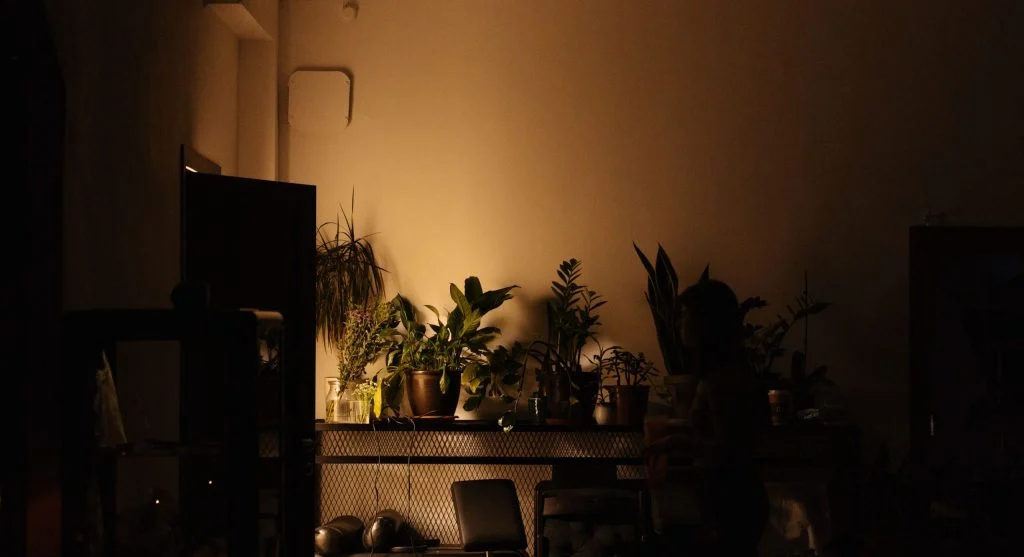
Dark Elements Dominate the Space
Dark colors absorb light. When they dominate, the room feels heavier.
This does not mean dark colors are bad. It means they need balance.
Too much darkness reduces the sense of openness.
No Clear Flow for the Eyes
Your eyes should move easily through a space. When objects block that movement, the room feels dense.
This happens when furniture and decor interrupt visual lines.
Clear visual paths create lightness.
Overfilled Walls Add Pressure
Walls filled with decor can feel overwhelming. Even well-arranged items add visual weight.
When every wall has something on it, the room feels enclosed.
Empty wall space helps balance the environment.
Lighting Does Not Lift the Space
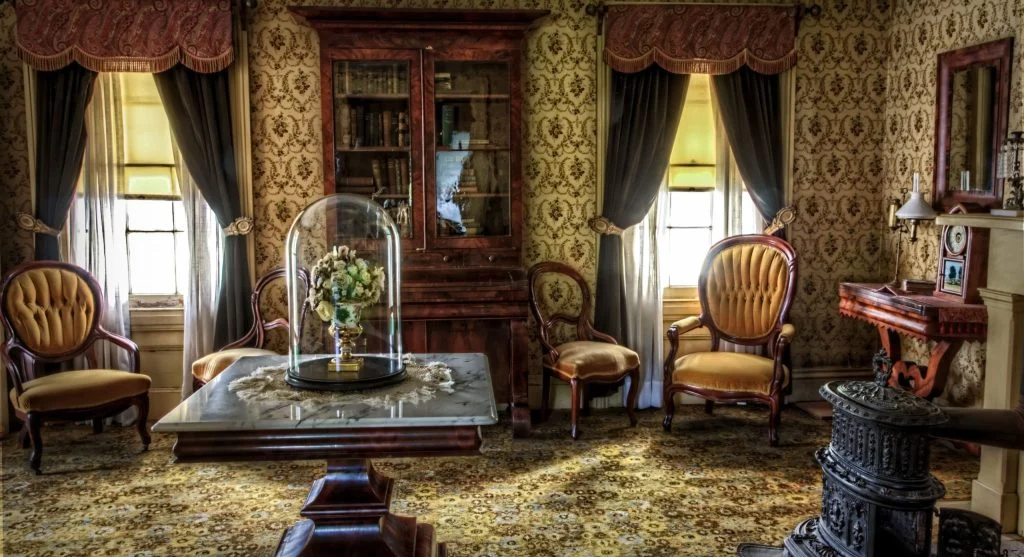
Lighting can make a room feel lighter or heavier. Poor lighting keeps everything flat.
Without proper light distribution, the space lacks depth. This adds to the heavy feeling.
Balanced lighting helps open the room visually.
Too Many Layers Without Structure
Layers add depth, but too many without structure create confusion.
When layers overlap randomly, the room feels crowded and unclear.
Organized layers create depth. Unstructured layers create heaviness.
No Clear Focal Point
Without a focal point, your eyes keep moving. This creates visual effort.
That effort adds to the feeling of density in the room.
A clear focus simplifies the experience.
Why This Feeling Builds Over Time
A heavy space does not feel overwhelming instantly. The feeling grows as your brain keeps processing the environment.
Each detail adds to the overall load. Over time, the space feels more tiring.
This is why the room feels heavier the longer you stay in it.
What Light and Open Homes Do Differently
Light spaces reduce visual weight. They balance elements and create clear flow.
There is space between objects, and nothing feels overly dominant.
The room feels easy instead of dense.
Simple Changes That Reduce Heaviness
You do not need a full redesign. Small changes can improve the feeling quickly.
Start by reducing heavy elements, creating more space between items, and improving lighting balance.
Focus on openness rather than adding more.
FAQ
Why does my home feel heavy?
Because of too much visual weight and poor balance.
Is this about furniture?
Partly, but also about layout and spacing.
Can I fix it without buying anything?
Yes, rearranging and reducing items helps.
Key Takeaway
A home feels heavy when too much visual weight is concentrated in one space.
By creating balance, adding breathing room, and improving flow, the space becomes lighter and easier to live in.