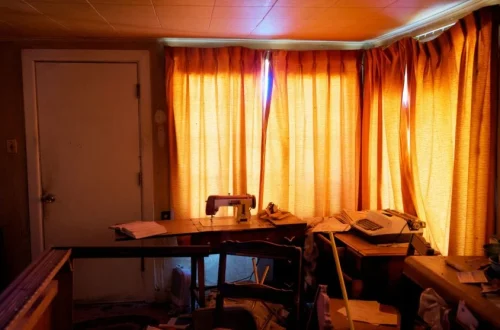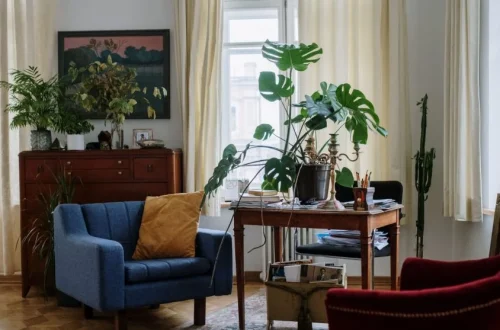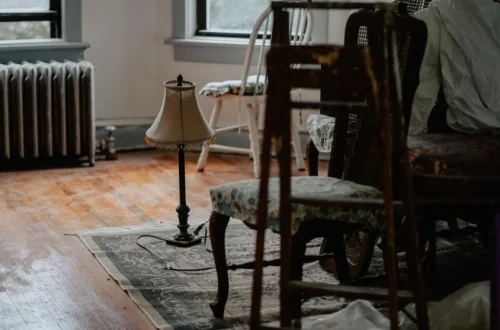

Your home may be clean and well-maintained. The surfaces are spotless, items are neatly arranged, and nothing appears messy at first glance. Everything seems organized and under control.
Yet when you spend time in the space, it still feels crowded. Maybe even a little overwhelming. It can seem as though there is simply too much going on, despite the fact that everything is in its place.
This feeling is not necessarily caused by dirt or disorder. It has more to do with how your brain experiences the environment. A home can be perfectly clean and still feel cluttered.
Your Eyes Never Get a Chance to Rest
In some rooms, your eyes are constantly moving. They jump from one object to another without ever settling in one place.
This often happens when too many items are visible at the same time. Even when those items are organized, they still demand attention.
As your brain processes each object, the result can be a subtle feeling of mental overload.

There Are Too Many Small Objects
Small items often create more visual noise than larger ones.
Every decorative piece, accessory, or displayed object adds another detail for your brain to process.
- Small decor pieces
- Multiple accessories
- Scattered everyday items
On their own, these objects may seem harmless. Collectively, however, they can make a room feel visually crowded.
Everything Is Always in Sight
When every item is displayed openly, your brain has no opportunity to filter information.
Instead, it takes in everything at once. Even if the room is organized, the sheer amount of visible detail can make it feel overwhelming.
A sense of simplicity often comes not from what is displayed, but from what is intentionally kept out of view.
Nothing Stands Out as the Main Focus
Your eyes naturally look for a point of focus.
When every object competes equally for attention, the room becomes harder to process. There is no clear priority, so your attention continues shifting from one thing to another.
This creates the sensation of clutter even when there is no actual mess.
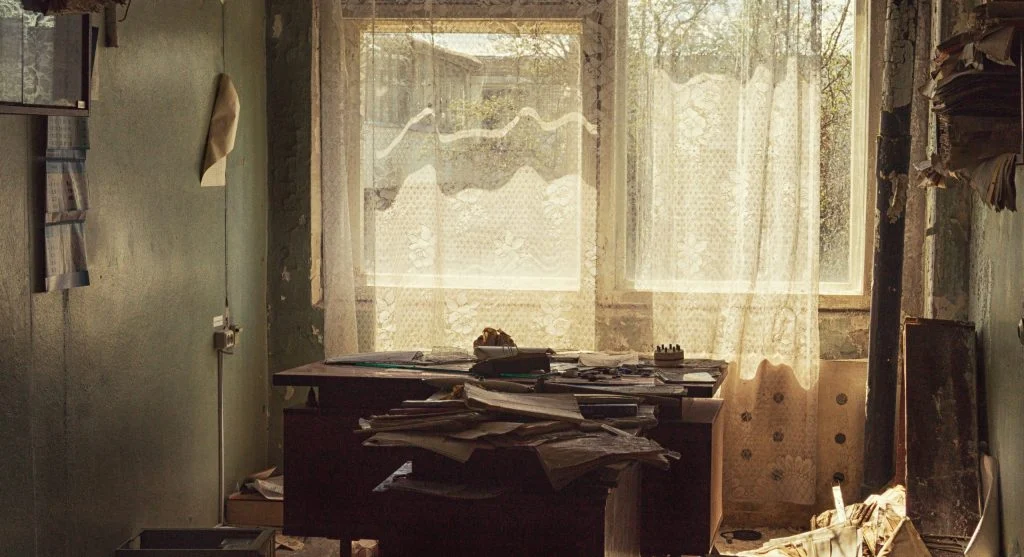
Every Surface Is Occupied
Empty space plays an important role in how a room feels.
When tables, counters, and shelves are completely filled, the room can seem busier than it really is.
- Tables covered with decorative items
- Counters crowded with everyday objects
- Shelves packed from end to end
Without areas of visual breathing room, the space feels heavier and more cluttered.
Too Many Styles Compete With Each Other
Combining different styles can work beautifully when there is a clear connection between them.
However, when colors, materials, and design elements feel unrelated, the room can appear visually fragmented.
Your brain struggles to find consistency, and that sense of randomness often translates into visual clutter.
There Are No Areas of Visual Rest
Just as your mind needs breaks, your eyes need them too.
Simple, uncluttered areas provide a chance to pause and recover from constant stimulation.
When every corner of a room contains something that demands attention, there is nowhere for your eyes to rest.
The result is a space that feels busier than it actually is.
The Lighting Reveals Every Detail
Lighting has a major influence on how cluttered a room feels.
Very bright lighting can emphasize every object, texture, and detail in the space. While visibility improves, so does the amount of information your brain has to process.
Balanced lighting can soften this effect and make a room feel calmer and more comfortable.

Objects Feel Random Instead of Intentional
The way items are arranged matters just as much as the number of items present.
When objects are scattered throughout a room, they can feel disconnected and random.
Grouped items, on the other hand, appear more intentional and easier for the brain to process.
Without thoughtful grouping, visual clutter increases because each object competes for attention individually.
There Is No Hidden Storage
Visible storage is not always the problem. The issue often arises when everything is visible all the time.
Even useful, everyday items contribute to visual noise when they remain constantly on display.
Hidden storage helps reduce that noise by keeping unnecessary details out of sight, allowing the room to feel cleaner and calmer.
The Room Lacks a Sense of Structure
Structure helps the brain organize information efficiently.
When a room lacks clear zones, defined purposes, or visual organization, everything can feel disconnected.
This lack of structure often makes a space seem more crowded than it actually is.
Clear organization creates a stronger sense of order and control.
Why the Feeling Gets Stronger Over Time
A cluttered feeling rarely appears all at once.
Instead, it develops gradually as your brain repeatedly processes the same visual information day after day.
Each small detail adds to the overall mental load. Over time, the room begins to feel heavier, busier, and more overwhelming.
This is why the sensation often becomes more noticeable the longer you spend in the space.
What Visually Clear Spaces Do Differently
Rooms that feel clear and comfortable are not necessarily empty.
Instead, they carefully manage visual input. They create a balance between detail and simplicity, deciding what deserves attention and what can remain hidden.
Because there is less information to process at once, your brain can relax more easily.
Simple Changes That Can Reduce the Feeling of Clutter
You do not need to remove everything from your home to make it feel calmer.
Small adjustments can make a significant difference. Try reducing the number of visible items, grouping related objects together, and leaving some surfaces intentionally empty.
The goal is not simply better organization—it is creating greater visual clarity.
FAQ
Why does my home feel cluttered when it’s clean?
Because of visual overload, not physical mess.
Is clutter only about objects?
No, it is also about how items are arranged and seen.
Can I fix this without buying anything?
Yes, reducing and rearranging items works best.
Key Takeaway
A home can feel cluttered even when it is clean because your brain is processing more visual information than it can comfortably manage.
By reducing visible details, creating structure, and improving visual balance, you can make a space feel clearer, calmer, and far more comfortable to spend time in.