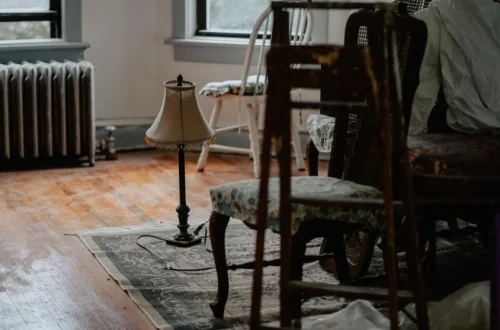
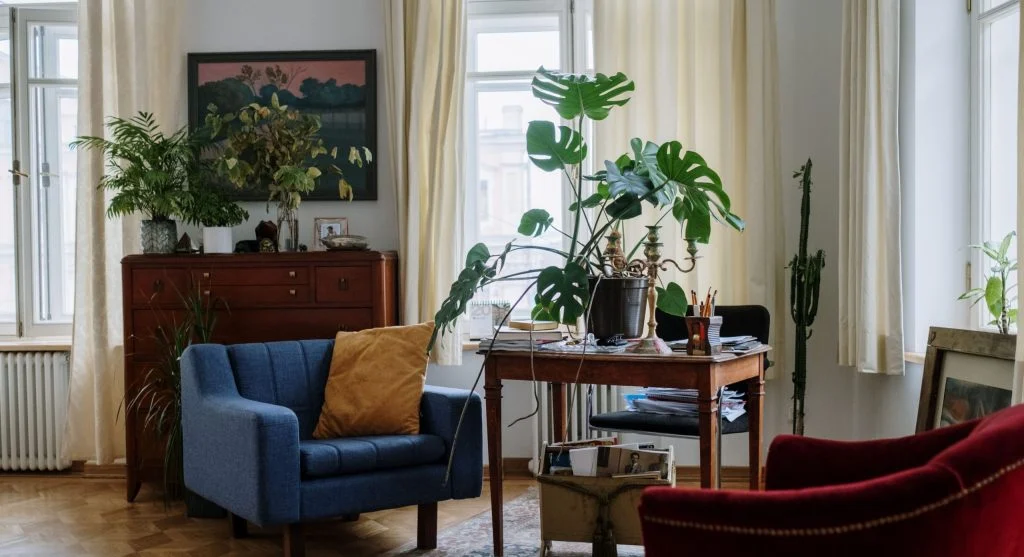
Your home may look completely normal at first glance. The furniture is arranged, the decor is in place, and everything appears to be exactly where it belongs. There are no obvious problems, and nothing immediately suggests that the space is not working well.
Yet when you actually spend time in the room, something feels slightly off. You hesitate before sitting down, adjust your movements more than you should, or find that the space never feels completely comfortable. It is not necessarily unpleasant, but it does not feel effortless either.
This experience is more common than many people realize. In most cases, it is not caused by major decorating mistakes or poor design choices. Instead, it comes from small layout issues that affect the way your body interacts with the space every day.
You Have to Think Before Moving
One of the clearest signs of an awkward room is that movement does not happen naturally. Instead of walking through the space without thinking, you find yourself paying attention to where you step and how you move around furniture.
This often happens when furniture interrupts natural walking paths or when the spacing between pieces is slightly off. Even a brief pause or small adjustment can interrupt the flow of movement.
Comfortable rooms allow people to move instinctively. Awkward rooms require constant awareness and adjustment, even if the interruptions seem minor.
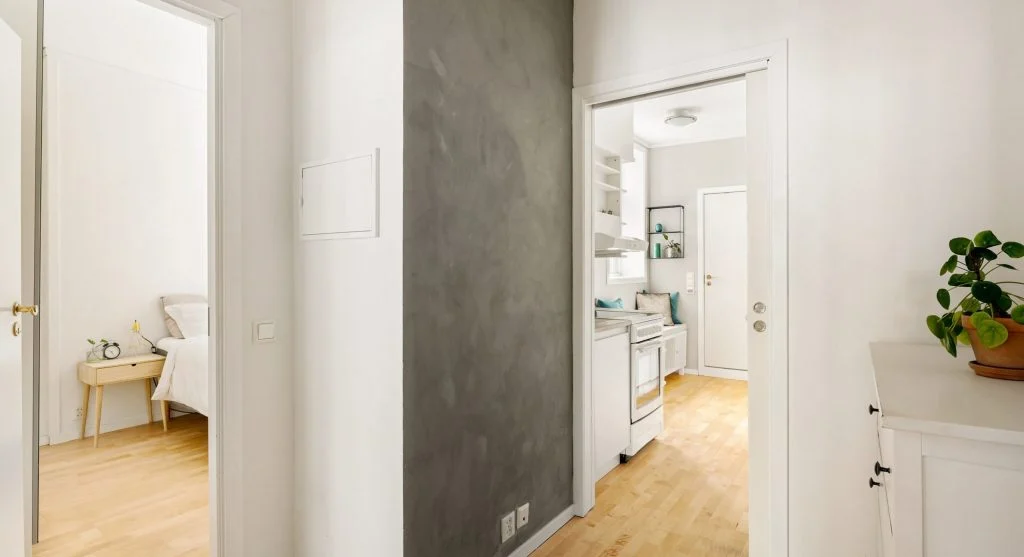
Seating Feels Slightly Off
A seating arrangement can look attractive and balanced while still feeling uncomfortable in everyday use. You sit down and immediately find yourself shifting positions, adjusting your posture, or trying to get comfortable.
This usually happens when seating is arranged primarily for appearance rather than function. The angle of the furniture, the distance between seats, or the direction they face may not support how people naturally relax and interact.
Over time, this creates a subtle but noticeable discomfort. The room may look inviting, yet it never feels quite right when you actually use it.
Distances Are Not Comfortable
Many awkward spaces suffer from spacing issues that are difficult to notice at first. The distances between furniture pieces may be slightly too small or unnecessarily large.
- Furniture placed too close together can make a room feel cramped and restrictive.
- Furniture placed too far apart can make conversations feel disconnected and uncomfortable.
These small differences in spacing influence both functionality and comfort. When distances are balanced properly, the room feels more natural and easier to use.
No Clear Purpose for Each Area
Rooms tend to feel more comfortable when every area has a clear purpose. When different functions overlap without any structure, the space can feel confusing and undefined.
This often happens in multipurpose rooms where seating, storage, work areas, and entertainment zones compete for attention. Without clear boundaries, it becomes difficult to understand how the space is meant to be used.
Defined zones create a sense of order. That clarity makes a room feel more functional and less awkward.

Furniture Placement Feels Random
Furniture should feel intentional. Every piece should contribute to the overall function and flow of the room.
When furniture placement seems random, the space can feel unsettled even if everything technically fits. Your brain instinctively looks for patterns and relationships between objects.
If those relationships are missing, the room can feel disorganized on a subconscious level. You may not immediately identify the problem, but the lack of structure affects how comfortable the space feels.
Movement Paths Are Not Clear
Every room benefits from clear and unobstructed pathways. You should be able to move naturally between different areas without constantly changing direction.
When pathways are blocked or poorly defined, movement becomes less efficient. You may find yourself turning sideways, stopping unexpectedly, or navigating around furniture more often than necessary.
While each interruption may seem insignificant, repeated disruptions gradually reduce comfort and make the room feel less functional.
Too Many Small Objects
A room does not have to be messy to feel overwhelming. Even in a clean and organized space, an excessive number of small objects can create visual clutter.
Decorative items, accessories, and miscellaneous objects compete for attention, causing your eyes to move constantly from one thing to another.
Your brain continues processing all of this visual information in the background. As a result, the room can feel busy and mentally exhausting despite appearing tidy.
Reducing the number of visible items often creates a calmer and more comfortable atmosphere almost immediately.
No Strong Focal Point
Most comfortable rooms have a clear focal point that naturally draws attention. This could be a fireplace, a large window, a piece of artwork, or another central feature.
Without a focal point, the eye has nowhere to settle. Instead, it moves around the room searching for something to anchor its attention.
This can create a subtle feeling of instability. The space may seem visually scattered, even when all the elements are attractive on their own.
A strong focal point helps unify the room and gives the entire layout a sense of purpose.
Lighting Feels Uneven
Lighting has a major impact on how a room feels. When some areas are overly bright while others remain noticeably dark, the space can feel unbalanced.
Uneven lighting affects both comfort and perception. Shadows may make certain areas feel disconnected, while excessive brightness can create visual strain.
Balanced lighting helps create consistency throughout the room. It supports both relaxation and functionality, making the space feel more welcoming and comfortable.

Layout Does Not Match Your Routine
A home should work with your daily habits rather than against them. When the layout does not support the way you live, even simple activities become less convenient.
You may find yourself walking extra distances, constantly moving objects, or adjusting your behavior to accommodate the room.
These small inconveniences accumulate over time. Eventually, the space begins to feel frustrating even though there is no obvious problem.
The most comfortable homes are designed around real routines and everyday behavior.
Why This Feeling Builds Slowly
Awkwardness rarely appears overnight. Instead, it develops gradually through repeated experiences.
Each time you pause while moving through a room, struggle to get comfortable in a chair, or navigate around an obstacle, your awareness of the issue grows.
Because these experiences are small and spread out over time, it can be difficult to identify the exact cause. You simply notice that the room feels less comfortable than it should.
This is why many people live with awkward spaces for years without understanding what is creating the feeling.
What Comfortable Homes Do Differently
Comfortable homes are designed to reduce effort. Movement feels natural, furniture supports everyday use, and the layout makes sense without requiring conscious thought.
Walking paths remain open, seating encourages relaxation, and each area serves a clear purpose. Instead of creating obstacles, the room supports daily activities.
There are fewer interruptions and fewer adjustments required throughout the day.
As a result, the home feels calm, functional, and easy to live in.
Simple Fixes That Work
Improving comfort does not necessarily require a major redesign or expensive renovation. In many cases, small changes produce significant results.
Start by examining how you move through the room. Clear any obstacles that interrupt natural pathways and create more open circulation.
Evaluate seating arrangements and adjust furniture so it supports real-life use rather than appearance alone.
Reduce unnecessary visual clutter by removing objects that do not serve a purpose or contribute to the room.
Finally, pay attention to lighting and room organization. Small improvements in these areas often create a noticeable difference in how comfortable a space feels.
The goal is not perfection. The goal is to make the room easier to use and more enjoyable to spend time in.
FAQ
Why does my home feel awkward?
Because of small layout and spacing issues.
Is this a common problem?
Yes, many homes feel slightly off due to poor flow.
Can I fix it without spending money?
Yes, rearranging furniture often solves the issue.
Key Takeaway
A home that feels awkward is rarely a result of poor design. More often, it is simply slightly misaligned with the way people naturally move and live.
When movement becomes effortless, furniture supports real behavior, and spacing is adjusted thoughtfully, the room begins to feel more comfortable. Small changes can have a surprisingly large impact, turning an awkward space into one that feels easy, functional, and enjoyable every day.