Most people assume unused space is easy to identify.
They picture an empty corner, a bare wall, or an area where nothing happens. These are the places that seem obviously underutilized.
But the reality is often more complicated.
The most important unused spaces in a home are rarely completely empty. More often, they are spaces that are being used poorly. They are areas you walk through, work around, or barely notice, even though they quietly influence your daily experience.
These overlooked areas are often called dead spaces, and nearly every home has them.
What Makes a Space “Dead”?
A dead space is not simply an empty area.
It is a space that lacks a clear purpose or fails to support the way people actually live in the home.
A dead space might interrupt movement, sit awkwardly between functional areas, or feel inconvenient enough that people naturally avoid using it. Instead of contributing to comfort and efficiency, it quietly works against them.
Because these spaces are often part of everyday routines, they can remain unnoticed for years.
The Space Between Furniture
One of the most common dead spaces appears between furniture pieces.
Sometimes there is not quite enough room to move comfortably. Other times there is too much empty space for the arrangement to feel intentional. In both cases, the result is often the same: hesitation.
People adjust their path, slow down slightly, or unconsciously work around the layout. Each individual adjustment seems insignificant, but repeated dozens of times each day, these small interruptions influence how the room feels.
A well-functioning room supports movement naturally. A dead space creates subtle resistance.
Corners That Collect Nothing or Everything
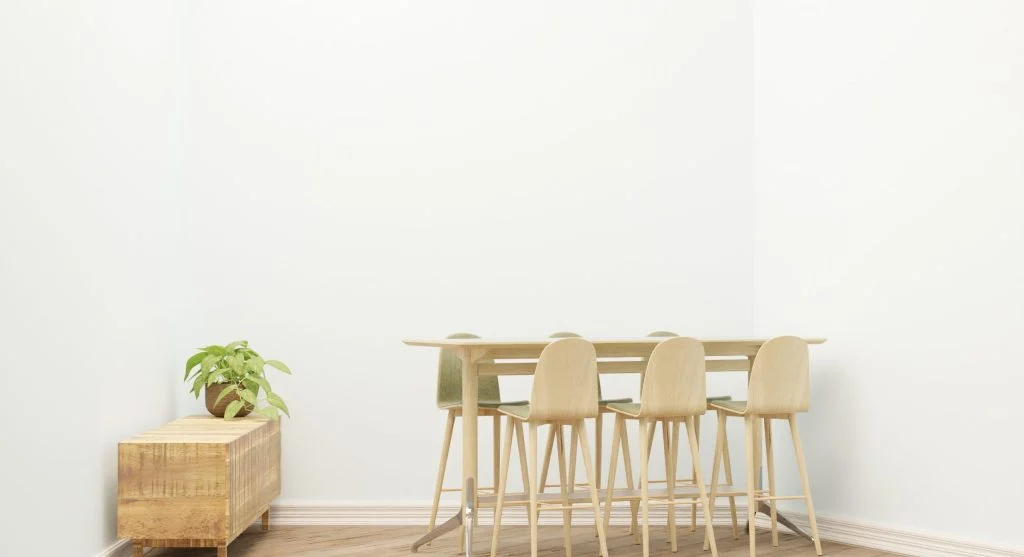
Corners often reveal whether a space has a clear purpose.
Some remain completely empty for months or even years. Others gradually become collection points for random objects that have nowhere else to go.
While these situations may appear different, they often share the same cause: a lack of intention.
When a corner has no defined role, it becomes unstable. It either remains unused or slowly fills with clutter. The issue is not the corner itself but the absence of a clear function.
A purposeful corner might hold a reading chair, a plant display, a storage basket, or another useful feature. Without direction, it becomes a forgotten part of the room.
Transitional Areas That Often Go Unnoticed
Hallways, entryways, and the small spaces that connect rooms are frequently overlooked during home planning.
Yet these transitional areas shape how people move through their homes every day.
A narrow hallway, a cluttered entry point, or an awkward connection between rooms can affect every transition throughout the day. Because these spaces are used so often, even small inefficiencies become noticeable over time.
Although people rarely think of hallways and connectors as living spaces, they play a major role in how comfortable and functional a home feels.
Why Dead Spaces Feel Uncomfortable
Human brains naturally prefer clarity.
When a space has an obvious purpose, people understand how to use it immediately. There is no confusion, hesitation, or uncertainty.
When a space lacks purpose, however, the brain must work harder to interpret it. Even if this happens subconsciously, it creates a subtle sense of discomfort.
This helps explain why some homes feel smooth and intuitive while others feel slightly awkward despite having similar layouts or square footage.
The difference is often not size. It is clarity.
The Illusion of “Not Enough Space”
Many homeowners believe they need more space.
In reality, the problem is often that existing space is not being used effectively.
Dead spaces reduce the amount of functional area available without attracting attention. They occupy square footage without contributing meaningfully to daily life.
As a result, homes can feel smaller than they actually are.
When several dead spaces exist throughout a home, they create the impression that storage is limited, rooms are crowded, or layouts are inefficient—even when usable space is available.
How Awareness Changes Everything
The first step toward improving a home is simply noticing where dead spaces exist.
Once people begin looking for them, they often discover:
- Areas that interrupt natural movement
- Corners that serve no purpose
- Transitional zones that feel awkward
- Layout gaps that reduce comfort
- Furniture arrangements that create unnecessary obstacles
These patterns become difficult to ignore once they are recognized.
Awareness changes the way people see their homes, often revealing opportunities for improvement that were hidden in plain sight.
Why Small Adjustments Can Have a Big Impact
Addressing dead spaces rarely requires major renovations.
In many cases, the solution is surprisingly simple:
- Adjusting furniture placement
- Defining the purpose of an overlooked area
- Improving traffic flow
- Reorganizing room layouts
- Creating better transitions between spaces
These changes do not create additional square footage.
Instead, they unlock space that already exists but is not being used effectively.
This often leads to noticeable improvements in comfort, organization, and usability without significant cost.
The Real Goal: Better Flow
The purpose of identifying dead spaces is not to fill every empty corner.
Some open space is valuable and necessary.
The real goal is creating better flow throughout the home. Every area should either support movement, support function, or intentionally provide visual breathing room.
When spaces have clear roles, the home becomes easier to navigate and more pleasant to use.
That improvement often feels larger than the physical changes that created it.
Frequently Asked Questions
Q: What are home dead spaces?
A: Areas that lack purpose or disrupt movement and usability.
Q: Are dead spaces always empty?
A: No, they can be used poorly instead of not used at all.
Q: Why do they matter?
A: They affect comfort, flow, and how a home feels daily.
Q: Can small changes fix them?
A: Yes, even minor adjustments can improve functionality.
Key Takeaway
Home dead spaces are not always obvious, but they quietly influence how a home functions every day. These areas often exist not because they are empty, but because they lack purpose or disrupt the natural flow of daily life. By identifying and improving dead spaces through small, intentional adjustments, homeowners can create a more comfortable, efficient, and enjoyable living environment without adding a single square foot.