No one enters a home without forming an immediate impression.
It happens almost instantly before any conversation begins, before they notice specific details, and often before they are even aware of it.
Within just a few seconds, a space communicates something. It may feel calm, welcoming, organized, stressful, comfortable, or even confusing.
What’s interesting is that most of these impressions are shaped by elements people rarely notice consciously, yet they still respond to them.
The Entrance Sets the Tone
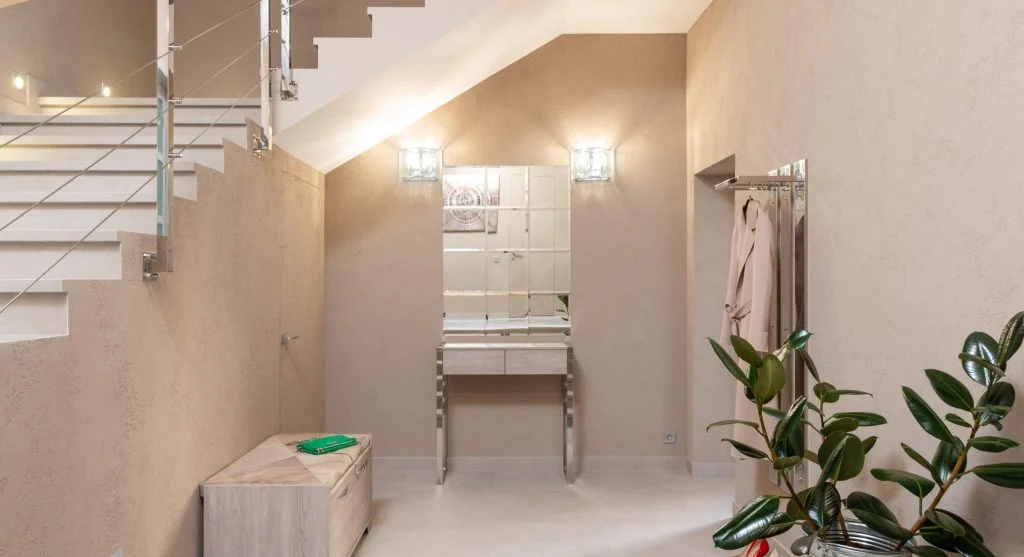
The first few steps inside a home often have the biggest impact.
When an entryway feels clear, open, and intentional, the entire home tends to feel more organized. When it feels crowded, cluttered, or undefined, it can influence how the rest of the space is perceived.
This has less to do with decoration and more to do with creating a sense of clarity.
How the Space Opens Up
As soon as someone enters a room, their eyes naturally begin scanning the environment.
Without realizing it, they are asking questions such as:
- Can I move through this space comfortably?
- Is there a place to sit?
- Does the room feel open or restricted?
These judgments happen automatically.
A room that allows movement to flow naturally tends to feel comfortable and welcoming. A room that feels blocked or cramped can create a subtle sense of tension.
Where the Eye Goes First
Every room has a focal point, whether it was planned that way or not.
It might be:
- A sofa
- A feature wall
- A cluttered tabletop
- An empty corner
Whatever captures attention first often becomes the reference point for the entire room.
If that focal point feels balanced and appealing, the space usually feels calm. If it appears chaotic or distracting, it can shape the overall impression in a less positive way.
The Quiet Influence of Smell and Air Quality
Long before visual details are fully processed, people often respond to the atmosphere of a room.
Fresh air, subtle scents, or simply the absence of stale heaviness can affect comfort almost immediately.
Because these factors cannot be seen, they are easy to overlook.
Yet they play a significant role in how welcoming a space feels.
Clutter Communicates More Than You Think
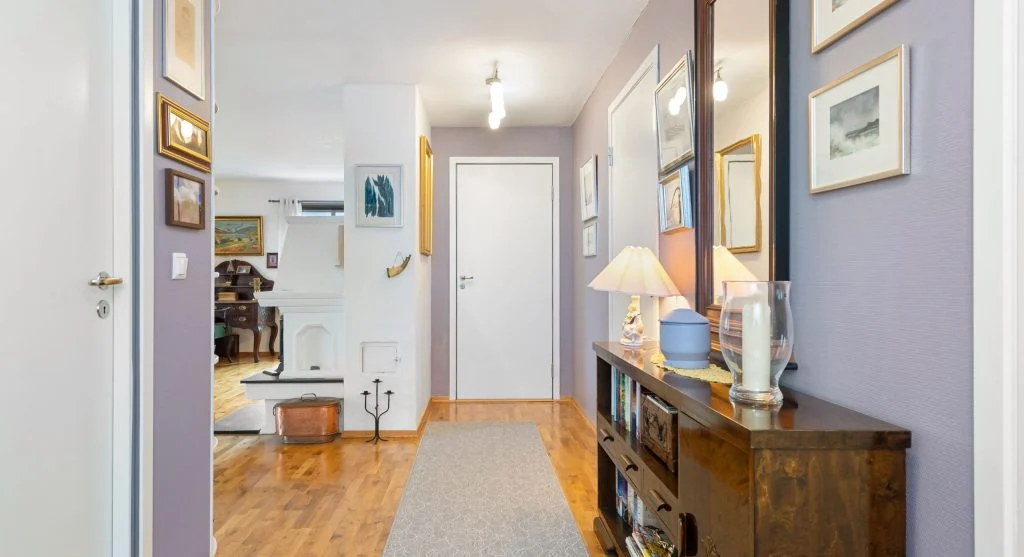
People do not simply notice clutter they interpret it.
A cluttered countertop, crowded shelf, or pile of miscellaneous items can suggest:
- Disorganization
- A hectic lifestyle
- Unfinished responsibilities
Even relatively small areas of clutter can influence how the entire room is perceived.
The goal is not perfection. It is about the message the space sends.
Lighting Creates the Emotional Atmosphere
Lighting has a powerful effect on first impressions.
Bright, harsh lighting can make a room feel more intense and alert. Softer lighting often creates a sense of warmth and relaxation. Uneven lighting can make a space feel unbalanced.
Guests usually respond to these effects immediately, even if they cannot explain exactly why.
Comfort Can Be Judged at a Glance
People often decide whether a room feels comfortable before they ever sit down.
They instinctively notice details such as:
- The depth of cushions
- How seating is arranged
- The spacing between furniture pieces
When a room appears inviting, it tends to feel inviting as well.
When it looks rigid or impractical, it can seem less welcoming from the start.
Consistency Throughout the Home
Homes that feel cohesive often feel more intentional.
On the other hand, spaces that seem disconnected from one another can feel unfinished or uncertain.
Consistency does not mean everything must match perfectly.
It simply means that each area feels like it belongs within the overall environment.
Why First Impressions Last
Initial impressions tend to influence everything that follows.
When a home creates an immediate feeling of comfort, people are often more forgiving of minor flaws. When the first impression is weaker, even small issues can become more noticeable.
That first emotional response often shapes how the entire space is experienced.
Frequently Asked Questions
Q: What do guests notice first in a home?
A: Entrance clarity, space openness, and overall atmosphere.
Q: Does clutter affect first impressions?
A: Yes, even small clutter points influence perception.
Q: Is lighting really that important?
A: Yes, it shapes mood instantly.
Q: Can small changes improve first impressions?
A: Yes, simple adjustments can make a big difference.
Key Takeaway
People form impressions of a home within seconds, often based on layout, lighting, airflow, and other subtle details. Thoughtful adjustments to these elements can dramatically improve how a space feels long before a conversation ever begins.