You add a new piece to the room.
Then another.
Then something else because it seems like the space still needs something to make it feel complete.
Yet despite the effort, the room continues to feel unfinished.
This is a common experience, and it rarely happens because a space lacks enough furniture or decor.
More often, it happens because the idea of what makes a room feel finished is misunderstood.
Completion Is Not About Quantity
When a room feels incomplete, the natural instinct is often to add more.
More furniture.
More accessories.
More decorative details.
But a finished room is not necessarily a full room.
Completion is not about how much is in the space. It is about whether the space feels resolved.
When a room lacks resolution, adding more items often increases complexity without solving the underlying issue.
The Room Lacks Visual Closure
Every successful space provides a sense of closure.
As your eyes move around the room, they should eventually find a place to rest.
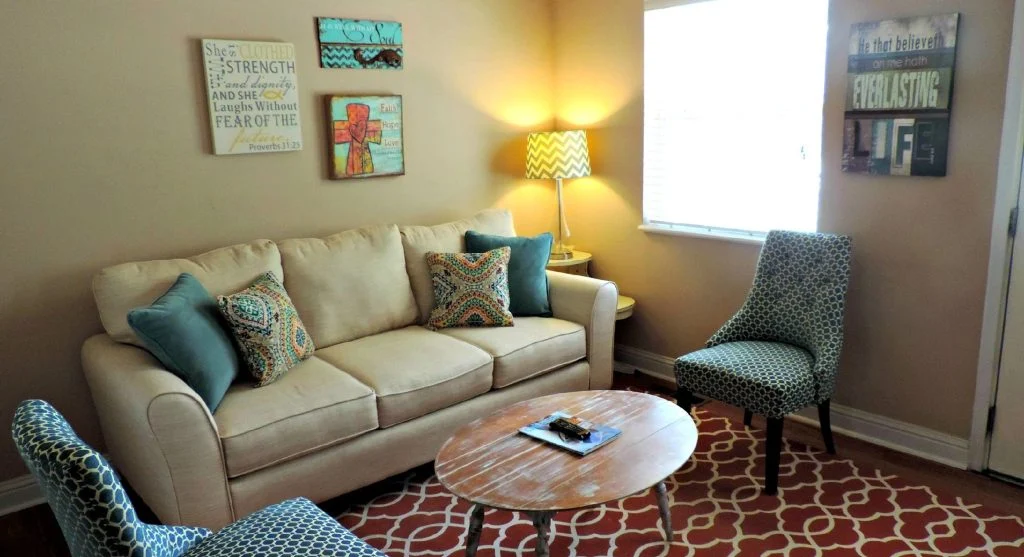
When there is no natural stopping point, the brain continues searching for one.
That ongoing search creates the feeling that something is missing, even when the room contains everything it technically needs.
A sense of visual closure helps a room feel complete because it allows attention to settle.
Too Many Separate Elements
A room begins to feel whole when its individual pieces relate to one another.
When furniture, decor, and accessories feel disconnected, they remain isolated objects rather than parts of a larger environment.
Each item may work well independently.
The problem is that they do not work together.
Without those relationships, the room struggles to feel unified.
Instead of reading as one complete space, it feels like a collection of unrelated pieces.
The Edges of the Room Are Overlooked
People often focus most of their attention on the center of a room.
That is where furniture is arranged and where daily activity happens.
However, completion is often determined at the edges.
Empty corners, unfinished walls, awkward transitions, and neglected boundaries can leave a room feeling open-ended.
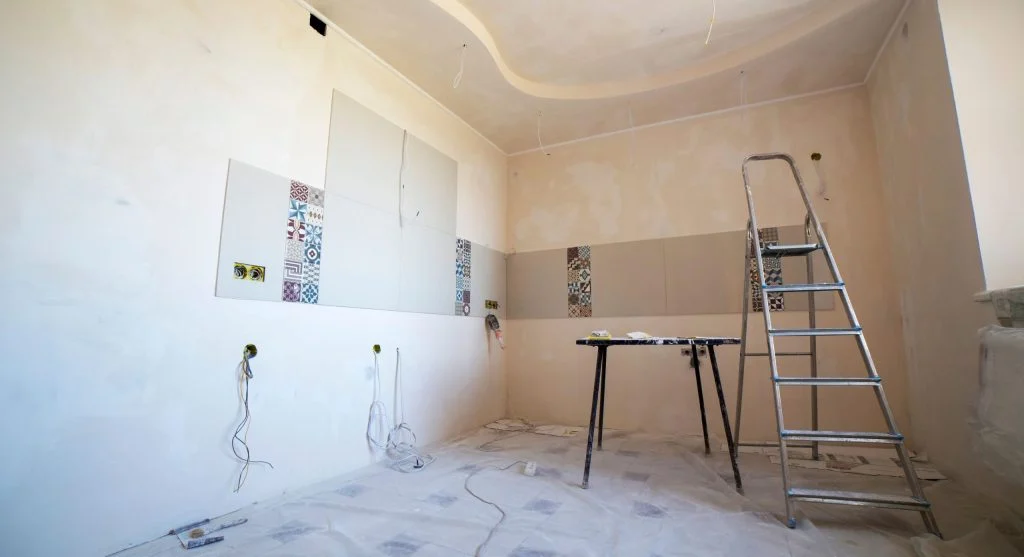
Even when the center of the room appears complete, unresolved edges can prevent the entire space from feeling finished.
The Space Has No Clear Purpose
Rooms tend to feel complete when they have a clear identity.
People instinctively understand what the room is for and how it should be used.
When a space lacks that clarity, it can feel unresolved.
A room that tries to serve too many purposes without structure often creates uncertainty.
Purpose provides direction.
Direction creates order.
And order contributes significantly to the feeling of completion.
Balance Is Slightly Off
The brain is highly sensitive to balance.
Even small imbalances can affect how finished a room feels.
Examples include:
- One side of the room feeling visually heavier than the other
- Uneven spacing between furnishings
- Elements that appear slightly misaligned
Most people do not consciously notice these details.
However, the brain often detects them immediately.
Until balance is restored, the room may continue to feel incomplete regardless of how much decor is added.
Decoration Cannot Replace Structure
Decorative elements add personality and detail.
They help create atmosphere and visual interest.
But decoration alone does not create completion.
Without a strong layout and clear structure underneath, decor remains surface-level.
The room may appear more styled, but it will not necessarily feel more resolved.
Structure provides the foundation that allows decoration to work effectively.
Lighting Can Leave Areas Unfinished
Lighting plays a major role in how complete a room feels.
When certain areas remain poorly lit, they can feel disconnected from the rest of the space.
Dark corners, uneven brightness, and neglected areas create visual gaps.
These gaps interrupt the feeling of unity.
A room tends to feel more complete when lighting supports the entire environment rather than highlighting only selected areas.
Why Adding More Often Makes the Problem Worse
Every new object introduces another visual element.
That means another shape, another color, another texture, and another relationship that the brain must process.
If the room already lacks cohesion, additional pieces may increase the feeling of disorder rather than solve it.
The space becomes fuller.
But it does not become more complete.
This is why some rooms feel crowded and unfinished at the same time.
What a Finished Room Actually Feels Like
A finished room rarely announces itself.
Instead, it creates a quiet sense of ease.
You stop moving things around.
You stop noticing small imbalances.
You stop searching for what is missing.
The room simply feels settled.
That feeling comes not from quantity, but from resolution.
The space works as a whole.
Frequently Asked Questions
Q: Why does my home feel unfinished?
A: Because of lack of structure and resolution.
Q: Will adding more decor help?
A: Not always — it can increase complexity.
Q: What creates a finished look?
A: Balance, cohesion, and clear purpose.
Q: Can small changes fix this?
A: Yes, focusing on layout and alignment helps.
Key Takeaway
A room that feels unfinished is not always missing furniture, decor, or accessories. More often, it is missing resolution. When balance, purpose, cohesion, and visual closure come together, a space begins to feel complete. The goal is not to fill every corner but to create an environment where everything works together and nothing feels left unresolved.