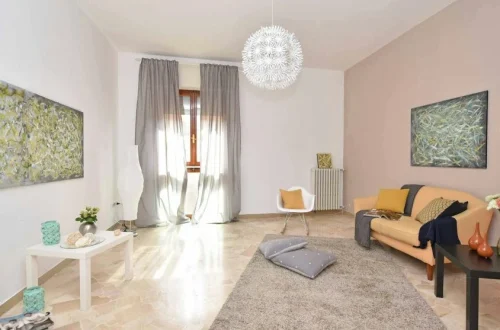
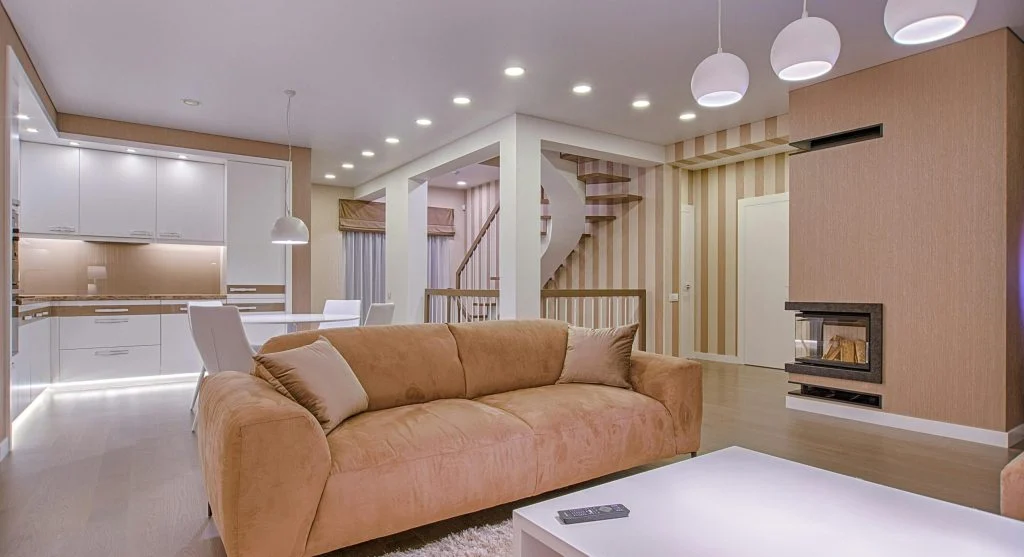
Room makeovers can improve comfort and style, but not all ideas lead to good results. Many people follow incorrect beliefs that can create problems. These room makeover myths often result in poor layout, clutter, and reduced usability.
According to interior design experts, avoiding common mistakes is key to a successful makeover. Practical decisions often lead to better long-term results.
1. A Full Makeover Requires a Big Budget
Many believe that major spending is necessary. In reality, small updates can create noticeable changes.
Experts recommend starting with simple improvements.
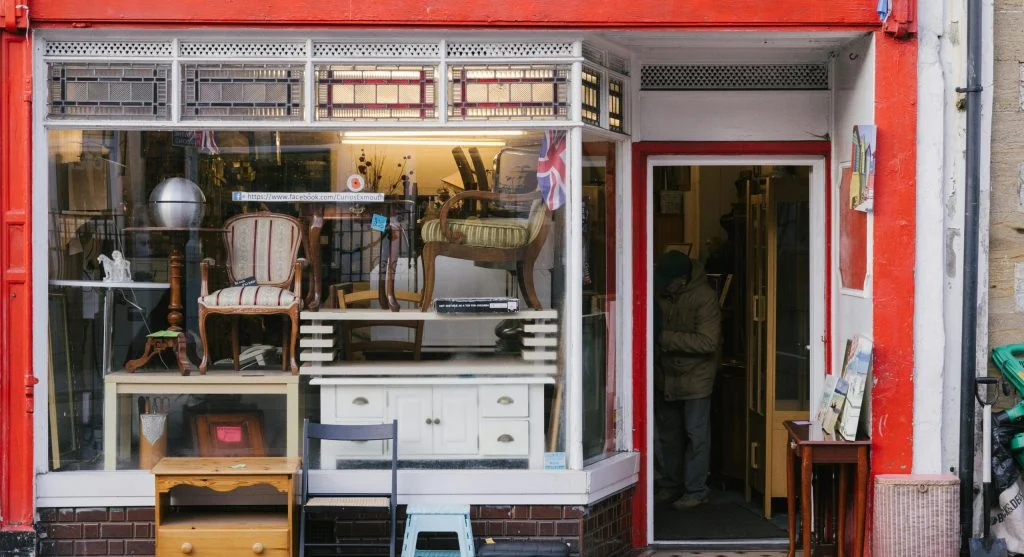
2. Changing Everything at Once Is Better
Replacing everything can lead to poor planning. Gradual changes allow better decisions.
Experts suggest step-by-step updates.
3. More Decor Means a Better Makeover
Adding too many items can create clutter. Simple designs often feel more comfortable.
Experts recommend limiting decor.
4. Trends Should Guide Every Change
Following trends may not suit your space. Practical choices often work better.
Experts suggest focusing on needs.

5. Furniture Placement Does Not Matter
Layout is essential for comfort. Poor placement can reduce usability.
Experts highlight proper arrangement.
6. Small Rooms Cannot Be Improved Much
Even small spaces can benefit from simple updates. Smart design improves functionality.
Experts recommend space-saving solutions.
7. Lighting Is Not a Priority
Lighting plays a key role in comfort and appearance. Poor lighting can affect the entire room.
Experts emphasize good lighting design.
Frequently Asked Questions
Q: What are room makeover myths?
A: These are incorrect beliefs that can lead to poor design choices.
Q: Do I need a big budget for a makeover?
A: No, simple changes can be effective.
Q: Why is furniture placement important?
A: It affects comfort and usability.
Q: Can small rooms be improved?
A: Yes, smart updates can make a big difference.
Key Takeaway
Room makeover myths can lead to poor results if followed blindly. Experts recommend focusing on practical updates, proper layout, and balanced design. These steps help create comfortable and functional spaces.