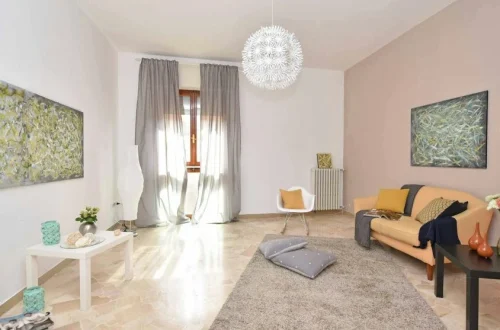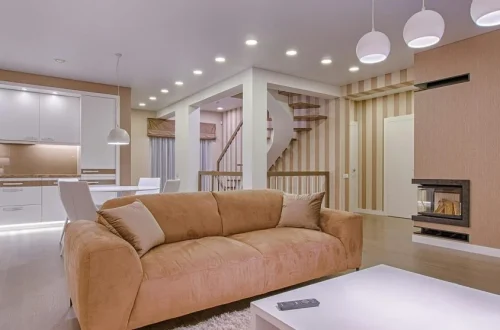

You update the decor.
You rearrange a few pieces of furniture.
You add something new in hopes of refreshing the room.
For a short time, the space looks different.
But after a few days, it somehow feels exactly the same.
This is one of the main reasons many room makeovers fail.
They change how a room looks without changing how it actually functions.
A successful makeover is not only about appearance. It is about improving the experience of living in the space.
Focusing Only on Surface-Level Changes
Most room updates begin with what is easiest to see.
People often focus on:
- New decorations
- Updated colors
- Different accessories
- Rearranged decorative objects
These changes can improve visual appeal, but they do not automatically improve comfort, usability, or flow.
A room may look refreshed while still creating the same frustrations it created before.
Real transformation usually happens beneath the surface.
The Layout Never Actually Changes
One of the biggest makeover mistakes is keeping the room’s core structure exactly the same.
Furniture may be shifted a few inches.
Decor may move from one shelf to another.
Yet the overall arrangement remains unchanged.
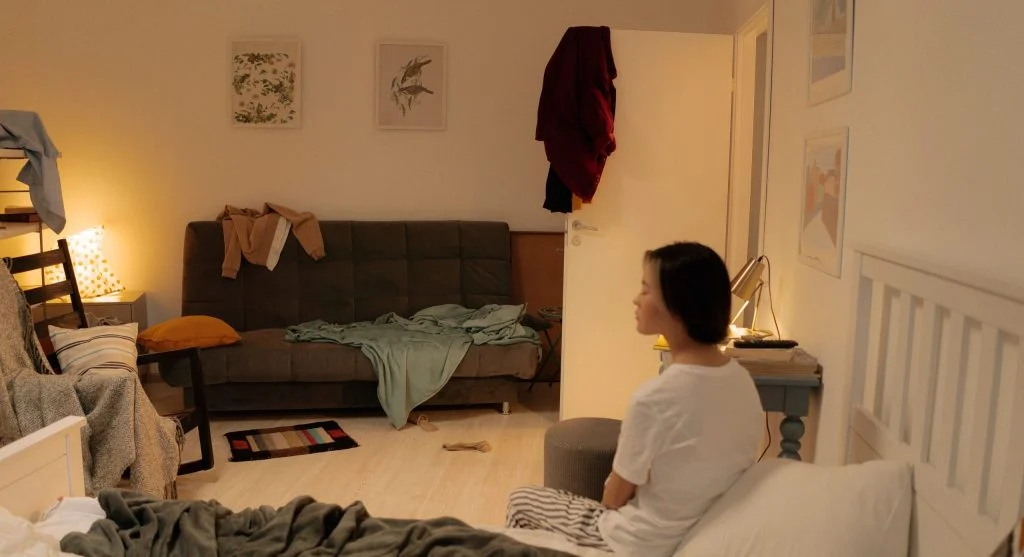
The layout determines how a room functions.
It influences:
- Movement
- Comfort
- Conversation
- Accessibility
- Daily routines
If the structure remains the same, the experience often remains the same as well.
Movement Flow Is Left Untouched
A room should support natural movement.
If people still have to:
- Walk around obstacles
- Squeeze through narrow spaces
- Take awkward routes
- Avoid certain parts of the room
then the makeover has not addressed one of the most important aspects of comfort.
Flow is often more important than decoration because it affects how the room feels every single day.
When movement improves, the entire space usually feels easier to use.
Trying to Solve Every Problem at Once
Many makeovers fail because they attempt too much at the same time.
A new rug.
New accessories.
New furniture.
New wall colors.
New lighting.
Too many changes can create visual confusion rather than improvement.
The most effective transformations usually focus on one important issue first.
Once that problem is solved, other decisions become much easier.
Ignoring How the Room Is Actually Used
A room should support real behavior, not idealized behavior.
Many makeovers are inspired by photographs, trends, or design ideas that look attractive but do not reflect daily life.
A room used for family gatherings should support conversation and comfort.
A workspace should support concentration and productivity.
A relaxation area should encourage rest.
When design decisions ignore actual habits, the room may look better while functioning worse.
Avoiding the Real Problem Areas
Most rooms contain one or two areas that consistently create frustration.
An awkward corner.
A blocked pathway.
A poorly positioned chair.
An overcrowded storage area.
Rather than addressing these issues directly, people often decorate around them.
The problem remains.
And because it remains, the room never fully improves.
Meaningful makeovers usually begin by fixing the areas that create the most friction.
Adding More Instead of Removing
Many room updates focus on addition.
People add:
- More decor
- More furniture
- More accessories
- More visual detail
But improvement often comes from subtraction.
Removing an unnecessary piece can improve flow.
Eliminating visual clutter can improve calmness.
Simplifying a crowded area can improve function.
Sometimes the most powerful change is not what enters the room, but what leaves it.
No Clear Goal for the Space
Without a clear objective, makeover decisions become random.
The room may end up looking different without becoming more useful.
Before making changes, it helps to answer a simple question:
What should this room do better?
The answer creates direction.
Perhaps the goal is:
- Better relaxation
- Easier movement
- Improved conversation
- Greater organization
- More functionality
A clear goal helps every decision support the same outcome.
What Actually Transforms a Room
The most successful room transformations rarely begin with decor.
They begin with function.
Real change often comes from:
- Improving the layout
- Creating better movement paths
- Removing recurring frustrations
- Supporting real daily habits
- Simplifying problem areas
These changes affect how a room works, which ultimately affects how it feels.
Why Strategic Changes Matter More Than Large Ones
Many people assume meaningful improvement requires a complete makeover.
In reality, a single strategic adjustment can create more impact than numerous decorative updates.
Moving a sofa may improve conversation.
Clearing a pathway may improve comfort.
Repositioning a desk may improve productivity.
These changes work because they solve underlying problems rather than covering them.
The goal is not to change everything.
The goal is to change the right thing.
Frequently Asked Questions
Q: Why do my room makeovers not work?
A: Because they focus on appearance instead of function.
Q: What is the most important change?
A: The layout and movement flow.
Q: Should I buy new items?
A: Not before fixing what you already have.
Q: Can small changes make a big difference?
A: Yes, if they target the right problem.
Key Takeaway
A successful room makeover is not measured by how different a room looks—it is measured by how differently it works. Decorative changes can improve appearance, but lasting improvement usually comes from better layout, smoother movement, reduced friction, and stronger alignment with daily life. When a room supports the way people actually live, even small changes can feel transformative.