When you first move into a home or refresh a space, everything feels exciting.
The colors catch your attention. The textures feel noticeable. The layout seems thoughtful and intentional. Even the smallest details stand out.
But as time passes, that initial excitement begins to fade.
The room doesn’t necessarily become uncomfortable or unattractive.
It simply starts to feel ordinary.
This doesn’t mean the design has failed.
More often, it means your brain has adapted to the environment.
The Brain Stops Noticing What Stays the Same
Human attention is naturally drawn to change.
When something remains constant for a long period, the brain gradually stops giving it the same level of attention.
As a result, details that once felt fresh and interesting begin to fade into the background.
What used to capture your attention now feels familiar.
This is not a problem with the room itself—it is simply how the mind works.
Repetition Without Variety
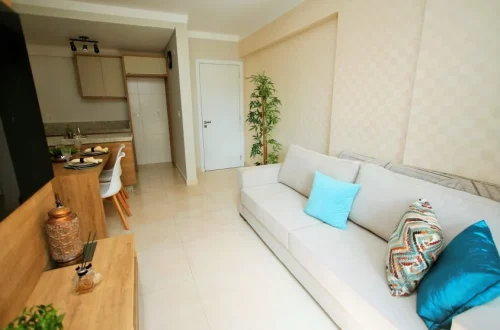
One reason a space can begin to feel dull is excessive repetition.
The same colors, textures, shapes, and lighting patterns appear everywhere.
Consistency is valuable because it creates harmony and cohesion.
However, when everything feels too similar, the environment can lose its ability to stimulate interest.
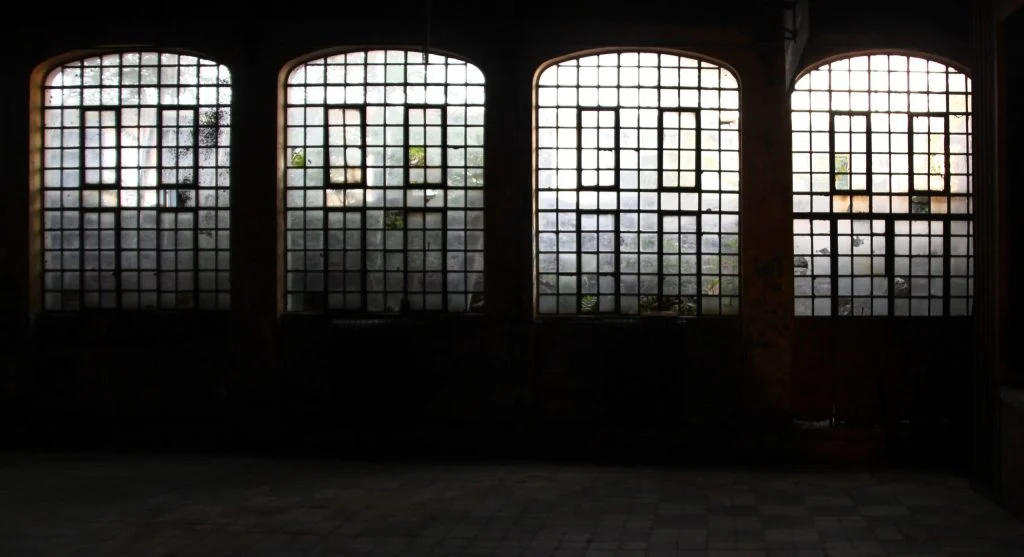
Without moments of variation, the room stops capturing your attention in meaningful ways.
No Opportunities for Discovery
The most engaging spaces reveal themselves gradually.
You notice a detail from a different angle. Light highlights something you had overlooked before. A small design feature becomes more interesting over time.
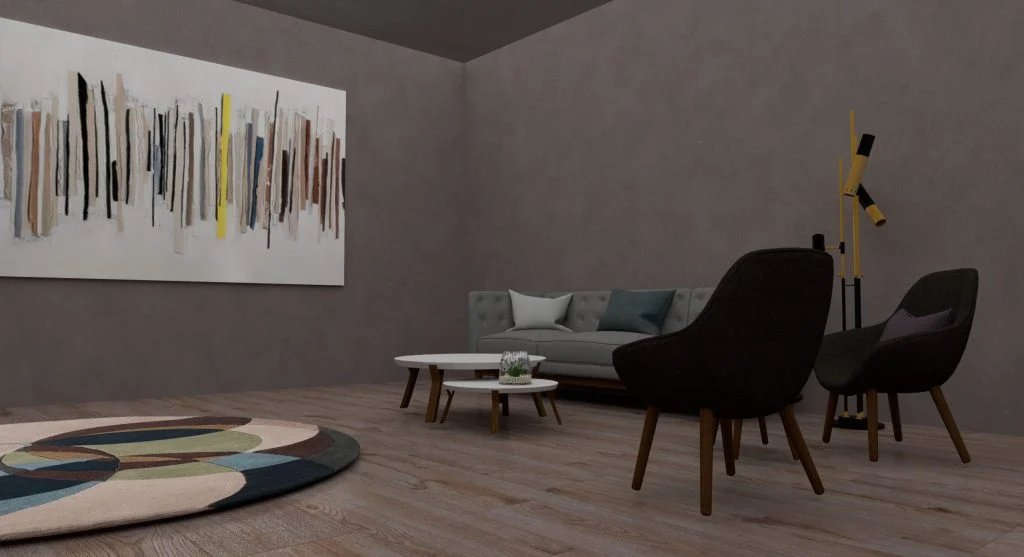
In contrast, some rooms feel completely understood within moments.
There are no hidden layers, unexpected details, or subtle elements to explore.
Once the brain feels it has processed everything, curiosity begins to fade.
When Everything Feels Static
Some homes create the impression that nothing ever changes.
The arrangement remains the same. The atmosphere remains the same. The experience remains the same.
While stability can be comforting, too much stillness can make a space feel lifeless.
This is not the peaceful feeling associated with calm environments.
Instead, it can create a sense of stagnation.
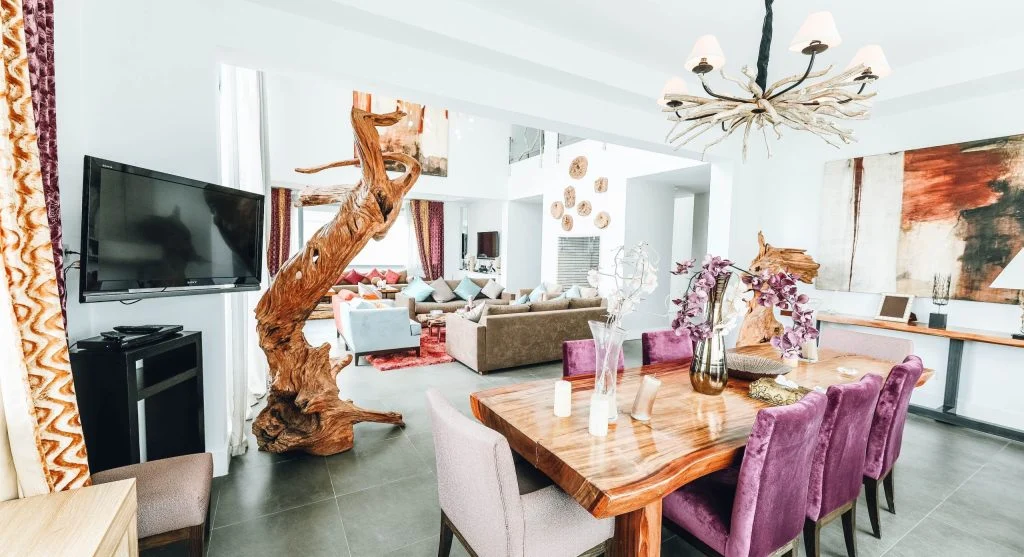
Lack of Interaction
A home becomes more engaging when it supports interaction.
Spaces that encourage reading, gathering, creating, relaxing, or changing throughout the day tend to feel more connected to everyday life.
When a room exists only to be viewed, it can gradually lose its sense of purpose.
Interaction creates a relationship between people and their environment.
Without that relationship, a space can begin to feel passive and disconnected.
Comfort Alone Is Not Enough
Comfort is essential, but it is not the only ingredient that makes a room enjoyable over time.
A space that focuses entirely on comfort while offering little visual interest or variation may eventually feel predictable.
The most satisfying environments combine calmness with subtle stimulation.
They provide a sense of ease while still offering moments that keep the mind engaged.
No Change in the Lighting Experience
Light naturally changes throughout the day.
Morning light feels different from afternoon light, and evening light creates an entirely different atmosphere.
When lighting remains identical at all times, the room loses an important source of variation.
The environment begins to feel repetitive because the experience never shifts.
Small changes in lighting help a space feel more dynamic and alive.
Why the Change Happens Gradually
Homes rarely feel boring overnight.
The process happens slowly.
Day after day, your brain becomes more familiar with the surroundings until the environment no longer feels new.
Because the shift is gradual, it can be difficult to pinpoint exactly when the space stopped feeling exciting.
You simply notice one day that it no longer captures your attention in the same way.
What Keeps a Home Feeling Engaging
The homes that remain interesting over time often share a common characteristic:
They allow for change.
This does not require constant redecorating or major renovations.
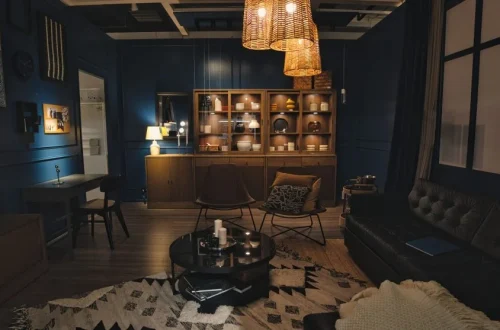
Instead, engagement comes from subtle variations such as:
- Changes in natural light
- Small furniture adjustments
- Layered visual elements
- Flexible ways of using the space
These shifts keep the environment feeling fresh while preserving comfort and familiarity.
Frequently Asked Questions
Q: Why does my home feel boring after a while?
A: Because your brain adapts to constant environments.
Q: Is this a design problem?
A: Not always — it’s often a natural response to repetition.
Q: Can small changes fix this?
A: Yes, variation and subtle updates help restore interest.
Q: Does lighting affect this feeling?
A: Yes, changing light patterns keeps spaces dynamic.
Key Takeaway
A home often begins to feel boring not because it is badly designed, but because the brain adapts to environments that remain unchanged. Introducing subtle variation, interaction, and evolving elements can help maintain a sense of interest while preserving the comfort and familiarity that make a home enjoyable.