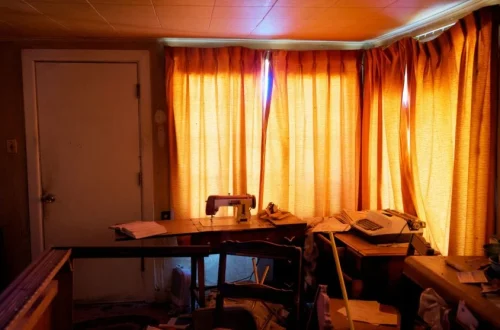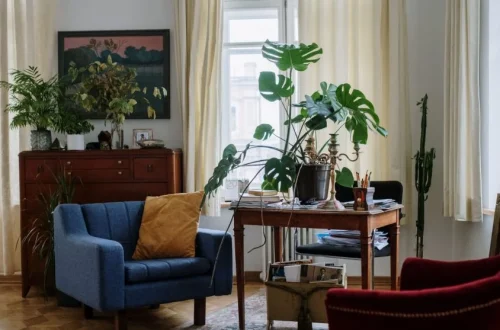
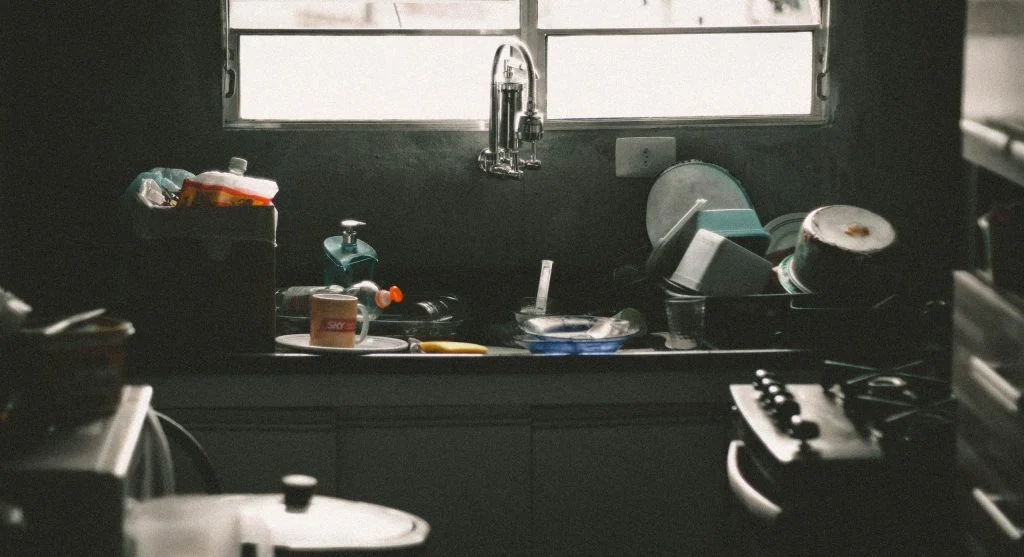
At first, your home feels perfectly comfortable.
The rooms look organized. The layout seems practical. Everything appears clean, attractive, and in the right place.
Then, after spending a few hours there, something begins to shift.
You feel less focused. Less relaxed. Maybe even a little drained, though nothing obvious seems wrong.
This isn’t necessarily a problem with cleanliness or decorating style.
More often, it has to do with how the space functions over time.
The Difference Between First Impressions and Lasting Comfort
Many homes are designed to make a strong first impression.
They look appealing at a glance, photograph well, and create an immediate sense of order.
But a room that looks good for a few minutes is not always a room that feels good for several hours.
That difference between visual appeal and everyday comfort is often where fatigue begins.
Constant Micro-Adjustments
One of the most overlooked causes of discomfort is the need for constant small adjustments.
These actions are so subtle that they often go unnoticed.
You may find yourself:
- Shifting position to get comfortable
- Correcting your posture repeatedly
- Moving objects out of the way to use the space properly
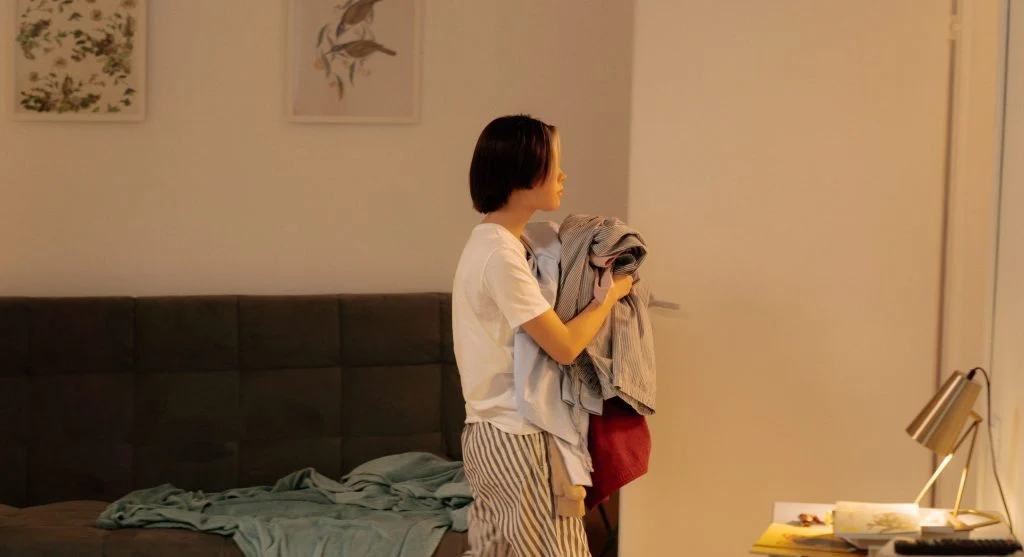
Each adjustment seems insignificant on its own.
However, when those adjustments happen again and again throughout the day, they create both physical and mental strain.
Lack of Places to Fully Settle
Comfortable rooms allow people to settle in naturally.
You sit down, relax, and stop paying attention to the environment around you.
In less comfortable spaces, that feeling never fully arrives.
You remain slightly aware of the room, your position, or the way you are using the space.
Because you never completely relax into the environment, your mind continues working in the background.
Over time, that subtle awareness becomes tiring.
Visual Activity That Never Stops
Some rooms constantly demand attention.
Patterns, contrasting colors, decorative objects, and strong visual elements compete for focus.
Even when you are trying to rest, your brain continues processing what it sees.
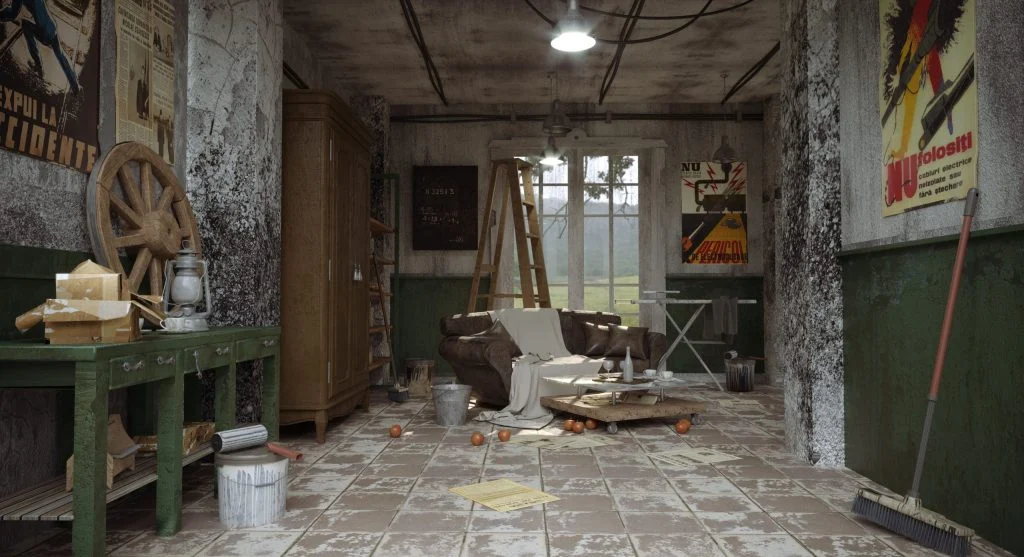
Without quieter visual areas that allow the eyes to pause, the mind never receives a true break.
The result is a form of fatigue that can be difficult to identify.
Unbalanced Energy Throughout the Home
Every room carries a certain level of energy.
Some spaces feel active and stimulating. Others feel calm and restorative.
Problems often arise when an entire home operates at the same high energy level.
Bright lighting, sharp lines, structured layouts, and highly active design choices can create an environment that constantly stimulates attention.
Without calmer areas to balance those elements, relaxation becomes more difficult.
Furniture Designed for Looks Rather Than Use
Furniture is often chosen because it looks appealing.
However, visual appeal and physical comfort are not always the same thing.
A chair may appear inviting while offering little support. A sofa may look stylish but become uncomfortable after extended use.
True comfort is measured over time.
Furniture that supports the body properly reduces strain and allows people to remain comfortable for longer periods.
Repetition Without Variety
Interestingly, too much consistency can also become exhausting.
When every room shares the same lighting, colors, atmosphere, and structure, the environment can begin to feel monotonous.
The brain benefits from subtle variation.
Differences between spaces help maintain interest and create a more balanced experience throughout the home.
Without that variation, the environment can start to feel mentally flat and repetitive.
Why You Notice the Problem Later
Design-related fatigue rarely appears immediately.
Instead, it develops gradually.
At first, everything feels perfectly normal.
Then, as the hours pass, concentration decreases, comfort fades, and the space feels less supportive than it did earlier.
Because the effect builds slowly, it is often difficult to connect the feeling to the design of the room itself.
Long-Term Comfort Feels Effortless
Spaces designed for lasting comfort share an important characteristic.
They require very little effort from the people using them.
In these environments, you:
- Sit comfortably without constant adjustment
- Move naturally through the space
- Relax without thinking about the room around you
The environment fades into the background.
And in many ways, that is the true sign of a comfortable home.
Frequently Asked Questions
Q: Why does my home feel tiring after a few hours?
A: Because of design factors that create ongoing mental or physical strain.
Q: Can a beautiful home still be uncomfortable?
A: Yes, appearance and comfort are not the same.
Q: What causes design fatigue?
A: Poor layout, visual overload, and lack of support.
Q: Can small changes improve this?
A: Yes, even minor adjustments can reduce fatigue.
Key Takeaway
A home that feels exhausting is often optimized for appearance rather than everyday comfort. When a space supports natural movement, physical comfort, and mental ease over time, fatigue decreases and genuine comfort takes its place.