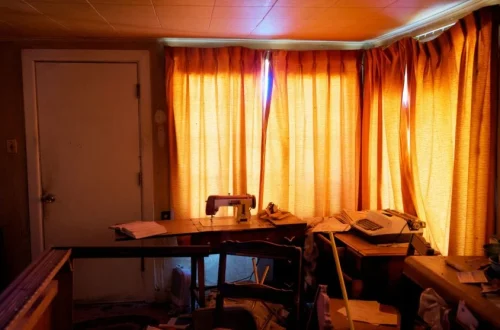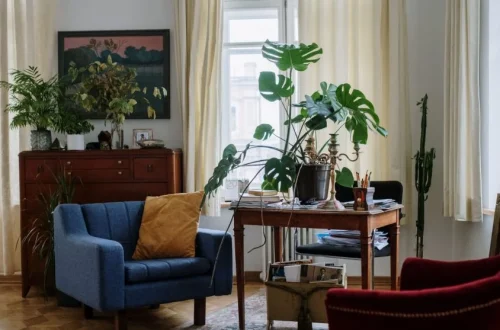

Your home can be spotless and organized, yet still feel surprisingly heavy.
There may be no visible clutter. Nothing appears out of place. Every surface looks tidy and intentional.
Yet the room feels dense. A little slower. Slightly draining to spend time in.
This kind of heaviness is not physical it is psychological.
And more often than not, it comes from subtle design choices that place ongoing demands on your attention.
Too Much Visual Weight in One Area
Every object in a room carries a certain amount of visual weight.
Some pieces naturally attract more attention because of their size, color, shape, or presence.
When too many visually heavy elements are concentrated in one part of a room, the space can begin to feel unbalanced.
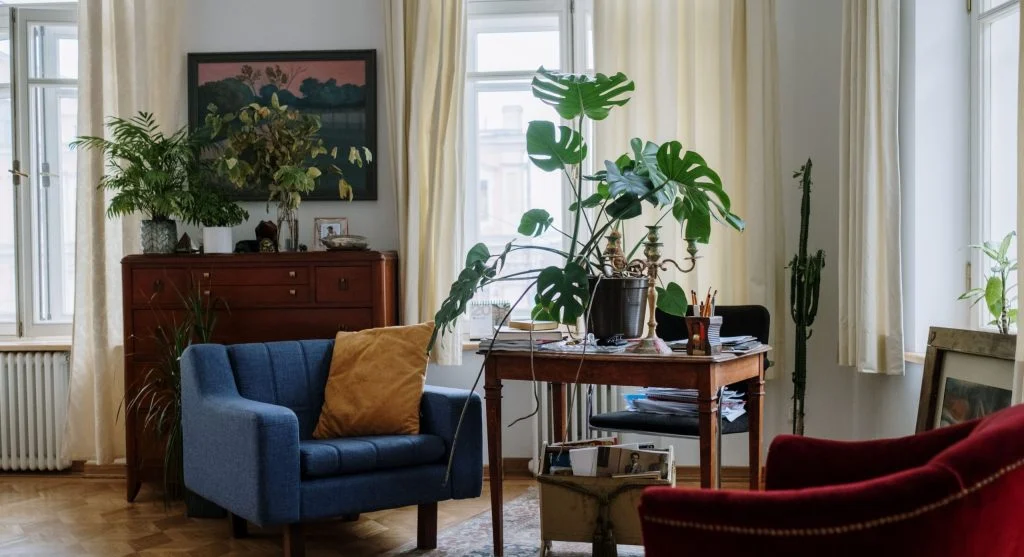
Even if you do not consciously notice it, your eyes are repeatedly drawn to that area.
Instead of creating a sense of calm, the imbalance introduces subtle tension.
Density Without Breathing Room
A room does not need to be cluttered to feel crowded.
Sometimes the issue is density rather than disorder.
Even neatly arranged objects can make a space feel compressed when they are placed too close together.
Without enough space between furnishings and decorative elements, the eye has less room to move naturally.
Visual breathing room is just as important as the objects themselves.
When it is missing, the room can feel heavier than it actually is.
Dark Elements That Weigh Down the Space
Dark colors naturally carry more visual weight.
Used thoughtfully, they can create depth, warmth, and a sense of grounding.
However, when dark tones become heavily concentrated in one area through furniture, walls, textiles, or decor—they can make a room feel visually heavier.
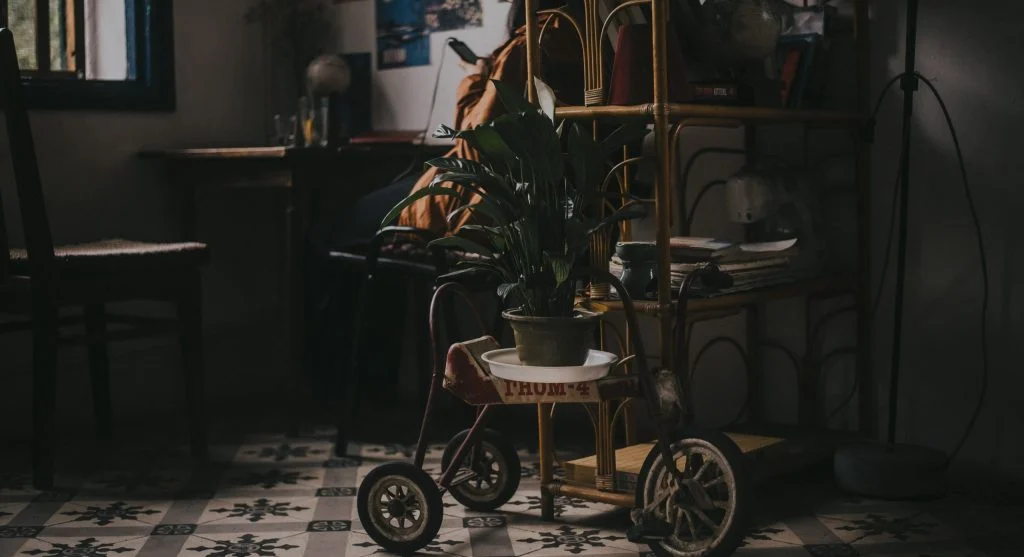
The effect is subtle, but it can influence how open and light a space feels.
Balance is often more important than the presence of dark colors themselves.
Too Many Defined Boundaries
Strong lines and clearly defined edges help create structure.
They give a room order and organization.
The problem arises when there are too many of them.
When every object, surface, and transition has a strong visual boundary, the eye is forced to stop repeatedly.
Instead of moving smoothly through the space, attention becomes interrupted again and again.
This can create a sense of mental resistance, even in a perfectly clean room.
Objects That Constantly Demand Attention
Some items naturally stand out.
Bold artwork, striking furniture, unusual shapes, and vibrant colors all attract attention immediately.
A few attention-grabbing pieces can add personality and interest.
Too many, however, can create competition.
The brain keeps shifting focus from one element to another, which increases mental activity and reduces the feeling of ease.
Over time, that constant visual engagement can feel surprisingly tiring.
No Place for the Eye to Rest
Comfortable rooms usually contain areas of visual calm.
These spaces allow attention to pause rather than remain continuously engaged.
Without these visual release points, the brain stays active.
Even a simple wall, an uncluttered surface, or a quiet corner can provide relief.
When every part of a room demands attention, the space can feel mentally heavy despite being clean and organized.
Overly Structured Layouts
Organization is valuable, but excessive structure can sometimes feel restrictive.
Perfect symmetry, rigid alignment, and highly controlled arrangements create order.
At the same time, they can reduce the sense of flexibility and ease.
Rather than feeling relaxed, the room may begin to feel overly managed.
The goal is often balance—not strict perfection.
Why the Feeling Develops Gradually
Mental heaviness rarely appears the moment you enter a room.
Instead, it builds over time.
At first, the environment feels completely normal.
As the brain continues processing visual information, adjusting to imbalances, and responding to subtle stimuli, the effort slowly accumulates.
Hours later, the room may feel draining even though nothing obvious seems wrong.
This gradual buildup is one reason the source of the discomfort can be difficult to identify.
Lightness Comes From Flow, Not Emptiness
A light-feeling room is not necessarily minimal or empty.
In fact, many comfortable spaces contain plenty of furniture, decor, and personality.
The difference is that they allow movement and attention to flow naturally.
They reduce unnecessary effort instead of creating more of it.
When visual balance, spacing, and structure work together, the room feels easier to experience.
And that sense of ease is what creates lightness.
Frequently Asked Questions
Q: Why does my home feel heavy even when clean?
A: Because of visual density and imbalance.
Q: Does color affect this feeling?
A: Yes, darker tones can increase visual weight.
Q: Can spacing fix this issue?
A: Yes, adding breathing room helps reduce heaviness.
Q: Is this a common problem?
A: Yes, many homes feel heavy without obvious clutter.
Key Takeaway
A home that feels heavy is not always cluttered or poorly organized. More often, the feeling comes from visual density, uneven weight, and a lack of flow. By improving balance, spacing, and visual breathing room, you can create a space that feels lighter, calmer, and more comfortable without making major changes.