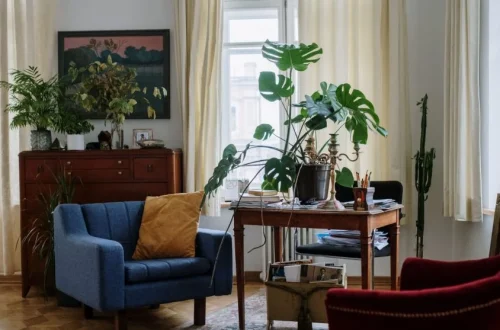
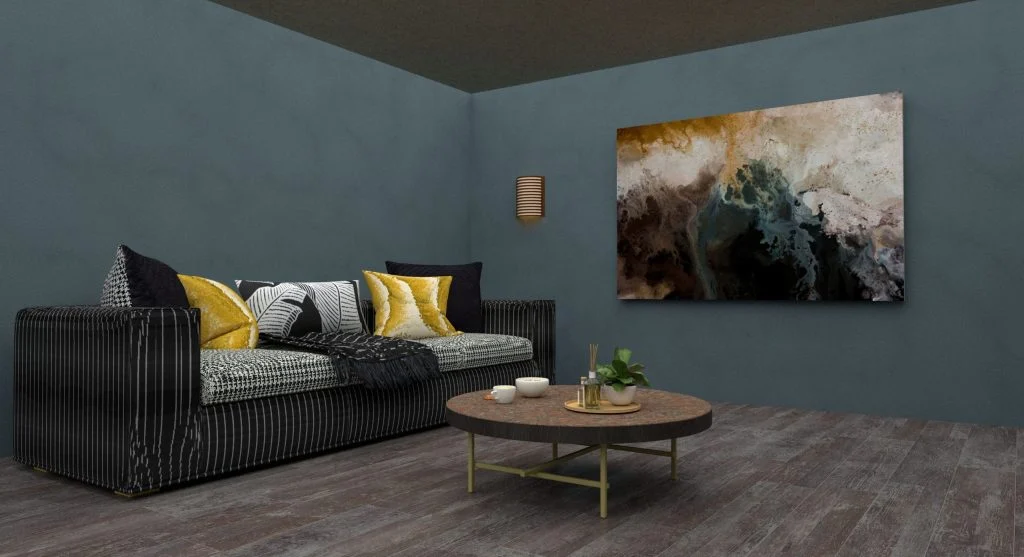
Sometimes, a room appears perfectly fine at first glance.
The space is clean. The furniture is arranged neatly. The decor seems appropriate and well chosen.
Yet something still feels off.
You may not be able to identify a specific issue, but the room feels slightly uncomfortable, unsettled, or incomplete.
This is one of the most common—and often most frustrating—experiences in home design.
The Issue Isn’t Obvious It’s Subtle
When a design problem is obvious, it is usually easy to fix.
A piece of furniture is in the wrong place. A room is cluttered. The lighting is too harsh.
But when everything feels almost right, identifying the problem becomes much harder.
Your brain recognizes that something is not quite working, but it struggles to pinpoint the cause.
In many cases, the discomfort comes from a collection of small imbalances rather than one major flaw.
Visual Balance Feels Slightly Uneven
The human eye naturally searches for balance.
When one side of a room contains more furniture, stronger colors, larger objects, or greater visual weight than the other, the space can feel uneven.
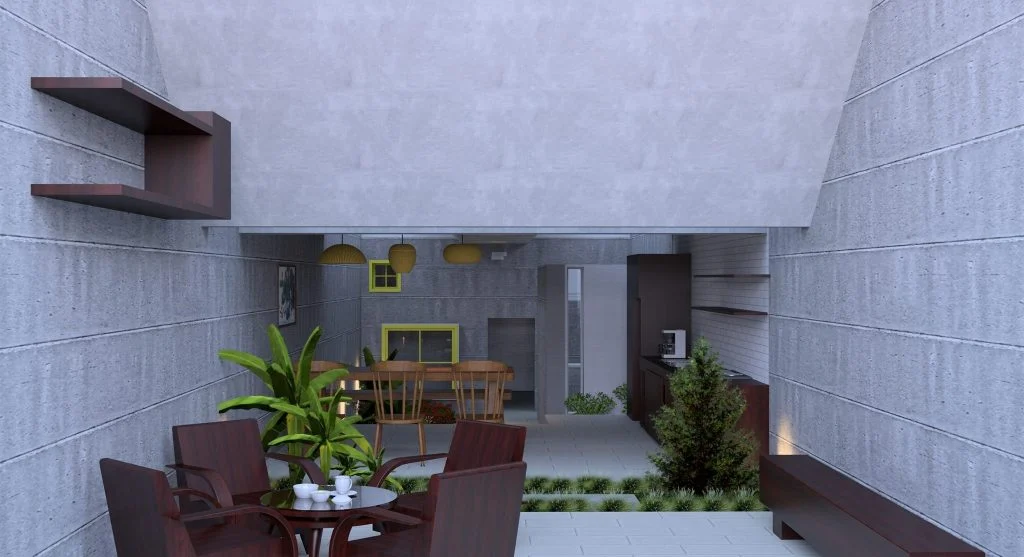
You may not consciously notice the imbalance.
However, your brain continues trying to reconcile what it sees, creating a subtle sense of tension in the background.
The Spacing Doesn’t Feel Quite Right
The distance between objects has a significant impact on comfort.
When furniture and decor are positioned too close together, the room can feel cramped.
When they are placed too far apart, the space can feel disconnected.
For example:
- Too close creates crowding
- Too far creates separation
Even minor spacing issues can prevent a room from feeling cohesive and comfortable.
The result is a space that never seems to settle into a natural rhythm.
Nothing Feels Properly Anchored
In well-balanced rooms, key elements feel connected to their surroundings.
A sofa relates to a rug. A coffee table connects with seating. A focal point gives the arrangement structure.
In rooms that feel off, these relationships are often missing.
Furniture and decor may appear as though they are floating independently rather than working together.
This lack of visual anchoring can create a subtle sense of instability.
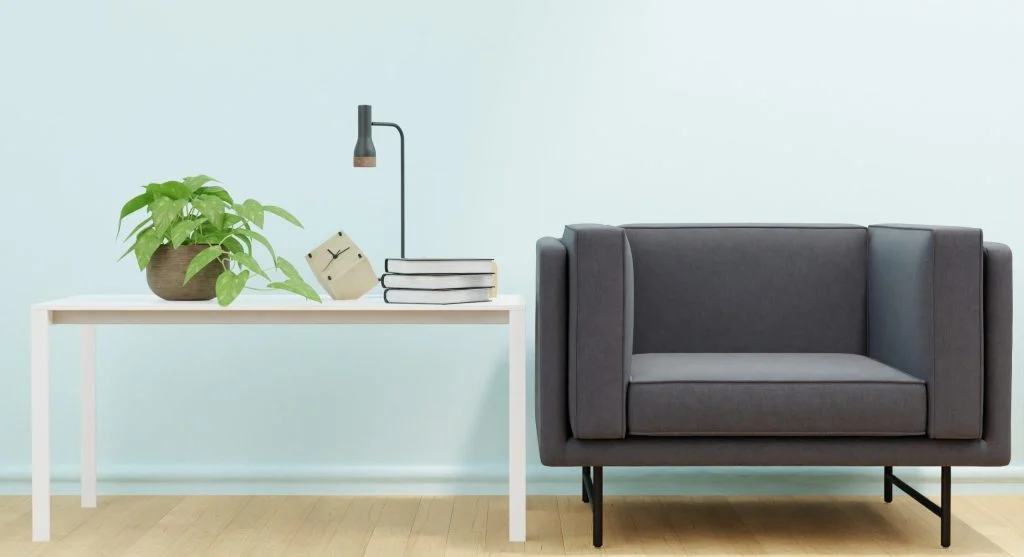
Movement Feels Slightly Awkward
One of the strongest indicators of a successful layout is effortless movement.
People should be able to move through a room without having to think about it.
When pathways feel narrow, interrupted, or unclear, movement becomes less natural.
As a result, the body remains slightly alert.
Even small interruptions in flow can prevent a space from feeling completely comfortable.
Too Many Small Mismatches
A single mismatch is rarely a problem.
Several small mismatches, however, can accumulate and affect the overall experience of a room.
Examples include:
- Styles that do not relate to one another
- Inconsistent materials
- Shapes that feel disconnected
Individually, these details may seem insignificant.
Together, they can create a subtle feeling of disorder that is difficult to explain.
The Room Lacks a Clear Identity
Rooms tend to feel more comfortable when they have a clear purpose.
A living room designed for relaxation feels different from a workspace or dining area.
When a room attempts to serve too many functions without clear structure, it can lose its identity.
This often leads to confusion rather than comfort.
The space may technically work, but it does not feel fully resolved.
Lighting Feels Unbalanced
Lighting plays a major role in how a room feels.
When certain areas are overly bright while others remain noticeably dark, attention is pulled from one area to another.
The eyes continue adjusting between light and shadow.
This constant shift can create subtle visual tension and make the room feel less comfortable over time.
Balanced lighting helps create a more cohesive and calming experience.
Why the Feeling Is Difficult to Explain
The challenge is that there is usually no single problem to identify.
Instead, several small factors combine to create one overall impression.
Each issue may be minor on its own.
Together, however, they create a feeling that something is not quite right.
Your brain senses the imbalance even when it cannot clearly identify the source.
What a Comfortable Room Actually Feels Like
When a room feels right, you stop thinking about it.
You:
- Move through the space naturally
- Sit comfortably without adjustment
- Feel relaxed without focusing on the environment
The room quietly supports your experience instead of demanding your attention.
That effortless feeling is often the true sign of a successful space.
Frequently Asked Questions
Q: Why does my home feel off even when it looks fine?
A: Because of subtle design imbalances.
Q: Is this a common issue?
A: Yes, many homes feel “almost right” but not fully comfortable.
Q: Can small changes fix this?
A: Yes, minor adjustments can resolve the feeling.
Q: What should I focus on first?
A: Balance, spacing, and layout flow.
Key Takeaway
When a home feels slightly off, the cause is rarely a major design mistake. More often, it is the result of small imbalances in spacing, flow, lighting, and visual weight. Correcting these subtle issues can transform a room from merely functional to genuinely comfortable without requiring major changes.