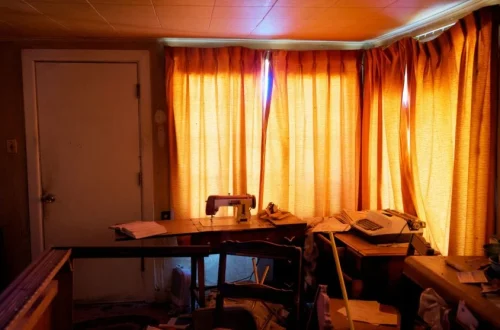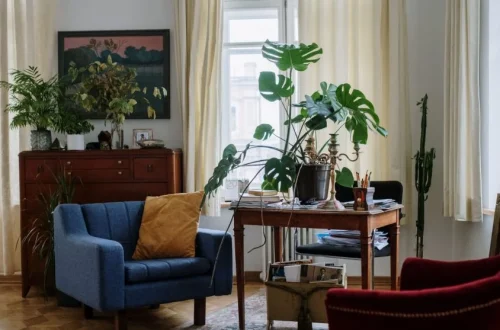
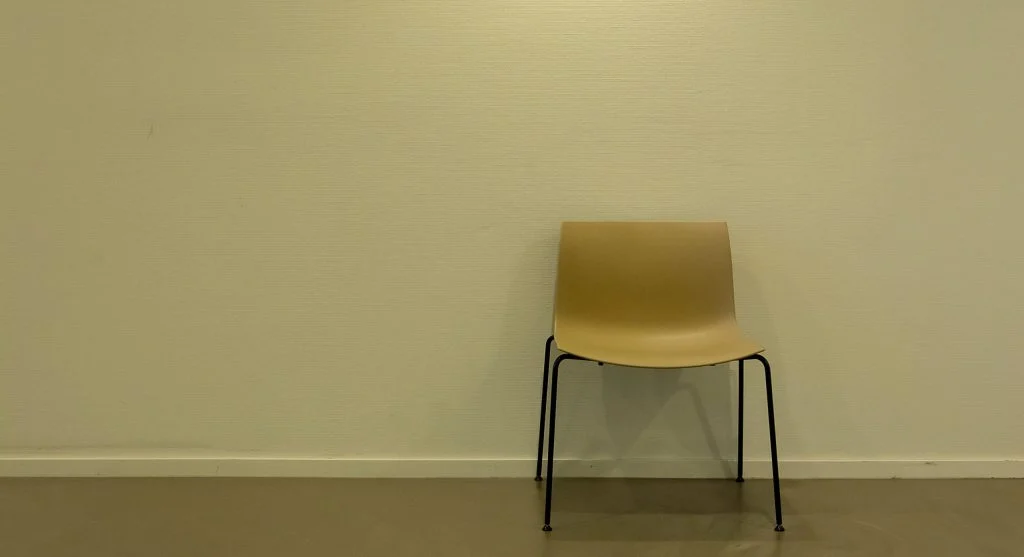
Your home may appear complete at first glance.
The furniture is arranged. The decor is in place. The layout seems well planned.
Yet something still feels missing.
The room does not feel inviting. It lacks a sense of comfort and ease. Instead, it feels distant almost cold.
This kind of coldness has very little to do with temperature.
More often, it comes from the way a space communicates comfort, connection, and warmth to the people who use it.
Warmth Is Not Created by Adding More
When a room feels cold, the first instinct is often to add more.
More cushions.
More decorations.
More accessories.
But warmth rarely comes from quantity alone.
A room can be full of beautiful objects and still feel emotionally distant.
True warmth usually comes from connection, balance, and softness rather than the number of items in the space.
Hard Materials Can Make a Room Feel Sharp
Materials have a significant influence on atmosphere.
Surfaces such as glass, metal, polished stone, and other hard finishes reflect both light and sound.
When too many hard materials dominate a room, the environment can begin to feel rigid and unwelcoming.
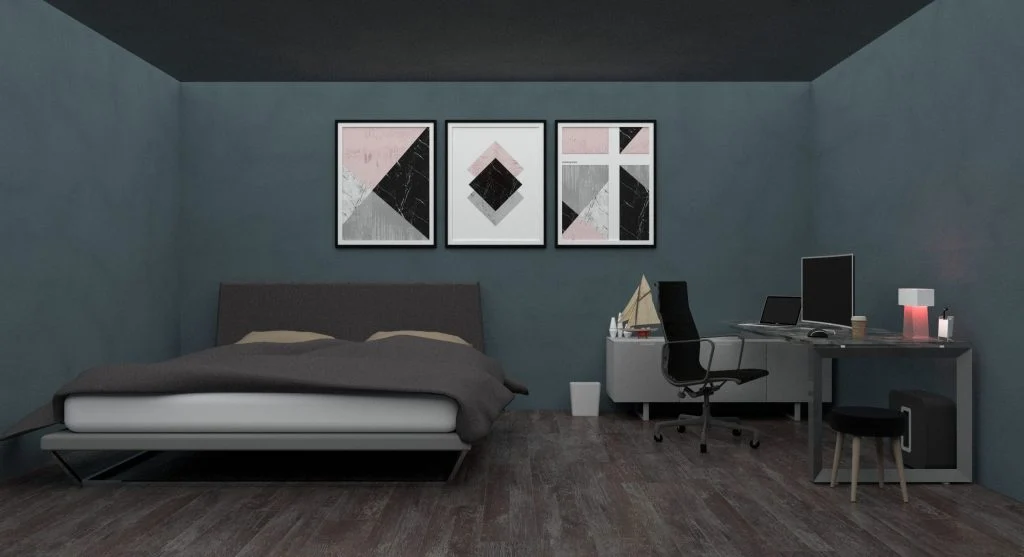
Soft materials tend to create the opposite effect.
Textiles, natural fibers, upholstery, and layered fabrics absorb sound, soften visual contrast, and help a room feel more comfortable.
The goal is not to eliminate hard surfaces but to create balance between hard and soft elements.
Lighting Can Remove Warmth Instantly
Lighting affects mood more than many people realize.
A room with overly bright or cool-toned lighting can feel clinical, regardless of how thoughtfully it is decorated.
Harsh lighting tends to highlight surfaces while minimizing atmosphere.
Warm, layered lighting often creates a more welcoming experience because it softens contrasts and adds depth to the environment.
A room may contain beautiful furniture and decor, but if the lighting feels cold, the entire space can feel less inviting.
Lack of Depth Creates Flatness
Warm spaces usually have visual depth.
They contain layers that encourage the eye to move comfortably through the room.
When everything sits on the same visual plane, the space can feel flat and one-dimensional.
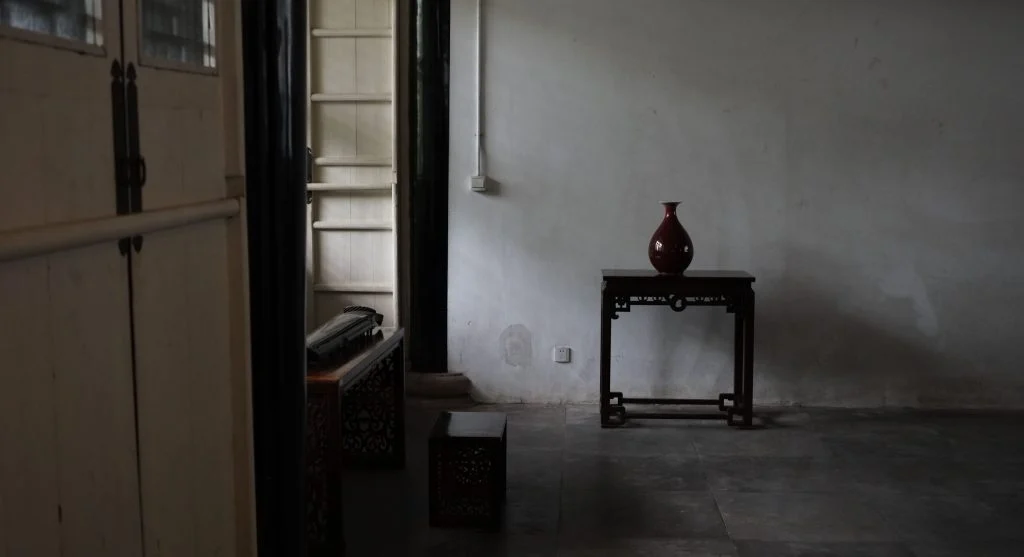
Depth can come from:
- Layered textiles
- Varying furniture heights
- Overlapping elements
- Gradual visual transitions
These layers help create richness and make a room feel more lived in and welcoming.
Color Influences Comfort
Color affects emotional perception almost immediately.
Rooms dominated by cool tones such as gray, white, and blue can sometimes feel distant when there is little contrast or warmth to balance them.
This does not mean cool colors are a problem.
Many beautiful spaces use them successfully.
The issue arises when the palette lacks variety or warmth elsewhere in the room.
A balanced color scheme often feels more comfortable because it provides both calmness and character.
Spaces Need Signs of Life
A room that looks untouched can feel surprisingly uninviting.
Perfectly arranged environments sometimes feel more like displays than places meant for living.
Warmth often comes from subtle signs of use.
The goal is not clutter.
It is presence.
A space feels more welcoming when it reflects the reality of everyday life rather than appearing frozen in a perfect state.
Disconnected Objects Create Emotional Distance
Individual pieces may be attractive on their own, but if they do not relate to one another, the room can feel fragmented.
Objects contribute to atmosphere when they work together.
When they appear disconnected, they simply occupy space.
This lack of cohesion can reduce the emotional warmth of a room, even when every item is carefully chosen.
A connected environment feels more comfortable because the elements support one another visually and functionally.
Too Much Distance Can Reduce Intimacy
Space is important, but so is connection.
When furniture and decor are spread too far apart, the room may feel isolated rather than open.
People often associate warmth with a sense of closeness and interaction.
A room where elements feel connected tends to feel more inviting than one where everything appears separated.
Balance matters.
Too little space feels crowded.
Too much space can feel lonely.
Why Cold Spaces Feel Uncomfortable
The brain naturally associates warmth with comfort, familiarity, and security.
When a room lacks visual and emotional warmth, it can feel distant.
Not necessarily unpleasant.
Not necessarily unsafe.
Simply less inviting.
The environment may look attractive, but it does not encourage people to settle in and relax.
What Warm Spaces Do Differently
Rooms that feel warm often share several characteristics.
They tend to use:
- Layered lighting rather than a single light source
- A mix of textures and materials
- Balanced color palettes
- Furniture and decor that relate to one another
- Layouts that encourage connection and comfort
Most importantly, they feel designed for people rather than simply designed for appearance.
Warmth comes from creating an environment that supports human experience.
Frequently Asked Questions
Q: Why does my home feel cold?
A: Because of materials, lighting, and lack of connection.
Q: Can decor fix this?
A: Only if it adds softness and cohesion.
Q: Does lighting matter?
A: Yes, it strongly affects warmth.
Q: Is this a common issue?
A: Yes, many styled homes lack warmth.
Key Takeaway
A home that feels cold is rarely missing furniture or decorative pieces. More often, it is missing the signals that create warmth and comfort. By balancing materials, improving lighting, creating visual depth, and strengthening the connection between elements, a space can become far more inviting. Warmth is not about filling a room—it is about making the room feel human.