Most people assume improving a home requires spending money.
A new sofa. New decor. Better lighting. Another upgrade.
While those changes can help, some of the most noticeable improvements often come from using what you already have more effectively.
In many cases, a space does not need more things.
It simply needs a few thoughtful adjustments.
Change the Direction of the Room
The orientation of a room influences how it feels.
A sofa, bed, or primary seating area may have been placed in the same position for years without question.
Yet changing its direction can completely alter the experience of the space.
A new orientation affects:
- Visual flow
- Movement patterns
- Conversation areas
- Overall comfort
Sometimes a room feels better not because new furniture was added, but because existing furniture was allowed to work differently.
Give Each Area One Clear Purpose
Spaces become harder to use when they try to serve too many functions at once.
A corner that is partly for work, partly for storage, and partly for relaxation often feels confusing.
Clarity improves comfort.
When each area has a primary purpose, the room becomes easier to understand and use.
For example:
- One area for working
- One area for relaxing
- One area for dining or gathering
Purpose creates structure, and structure reduces friction.
Remove One Item From Every Surface
Improvement does not always require dramatic decluttering.
Sometimes removing just one item from each visible surface creates enough breathing room to change how a room feels.
A clearer countertop.
A less crowded side table.
A simpler shelf.
These small reductions decrease visual pressure and allow the room to feel calmer without making it feel empty.
Improve the Walking Path
One of the easiest ways to evaluate a room is to walk through it slowly.
Pay attention to whether you have to:
- Change direction unexpectedly
- Step around furniture
- Squeeze through narrow areas
- Avoid obstacles
Each of these moments creates friction.
Even a single adjustment—moving a chair, table, or decorative item can improve the flow of the entire room.
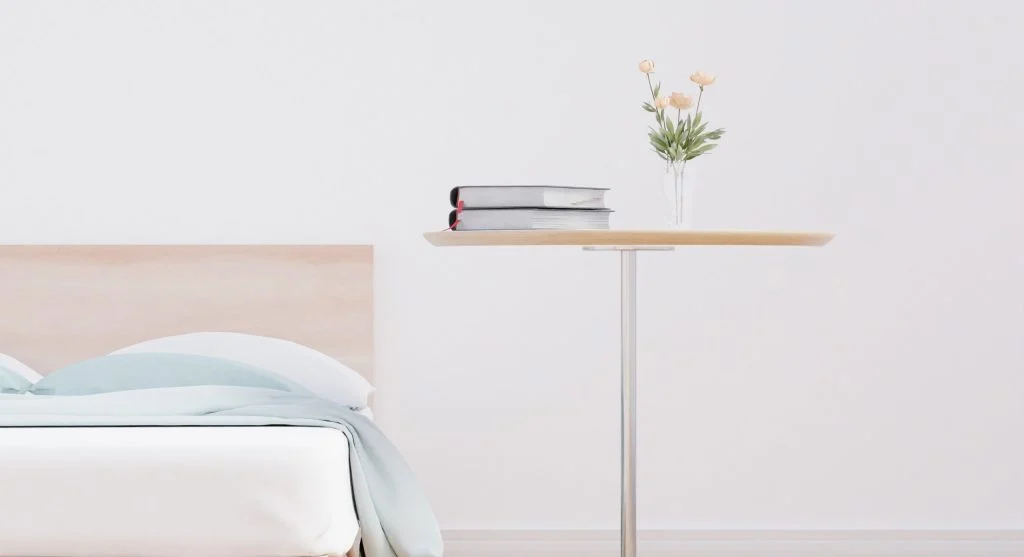
The easier it is to move through a space, the more comfortable it tends to feel.
Use Existing Items in New Ways
Refreshing a room does not always require buying something new.
Often, it simply requires seeing familiar items differently.
Consider:
- Moving decor from one room to another
- Swapping accessories between spaces
- Repurposing objects for new functions
- Rearranging items that have remained in the same place for years
These changes create novelty without adding clutter or expense.
Sometimes a familiar object feels entirely new simply because it appears in a different context.
Pull Furniture Away From the Walls
Many rooms automatically place every piece of furniture against a wall.
While this can maximize open floor space, it does not always create the most comfortable layout.
Moving furniture even a few inches away from surrounding walls can add visual depth and improve balance.
The room often feels more intentional as a result.
This small adjustment can make a space appear more designed without changing a single piece of furniture.
Group Items Instead of Scattering Them
Visual noise often comes from objects being spread throughout a room.
When decorative pieces, books, or accessories are scattered individually, the eye must process each one separately.
Grouping similar items together creates stronger visual organization.
The room feels calmer because fewer elements compete for attention.
This is one of the simplest ways to reduce visual clutter without removing anything.
Adjust the Lighting You Already Have
Many people immediately think of buying new lamps or fixtures when they want to improve lighting.
Often, existing lighting simply needs to be used differently.
Try:
- Turning off one overly bright light source
- Using lamps instead of overhead lighting
- Highlighting one area rather than illuminating everything equally
- Creating softer pools of light throughout the room
Small lighting changes can dramatically alter atmosphere and comfort.
Create One Completely Clear Area
Every room benefits from a place where the eye can rest.
Choose one area and intentionally leave it clear.
This might be:
- A section of countertop
- Part of a shelf
- A small tabletop
- An empty corner
Visual rest is important.
Without it, every area competes for attention.
A single clear zone can make an entire room feel more balanced.
Why Small, Free Changes Work So Well
The most effective adjustments often succeed because they simplify rather than complicate.
They do not add more objects, more decisions, or more visual information.
Instead, they remove obstacles and improve function.
Comfort tends to increase when effort decreases.
That is why small changes often have a greater impact than expected.
Frequently Asked Questions
Q: Can I improve my home without spending money?
A: Yes, small layout changes make a big difference.
Q: What is the easiest fix?
A: Adjusting furniture and clearing paths.
Q: Does rearranging really help?
A: Yes, it changes how the space functions.
Q: Should I remove items?
A: Reducing even slightly improves comfort.
Key Takeaway
Improving a home does not always require buying something new. Often, the most effective changes come from adjusting what already exists. By improving layout, clearing visual pressure points, refining movement paths, and using familiar items differently, you can transform how a space feels without spending money. Sometimes the biggest improvement is not adding more—it is making better use of what is already there.