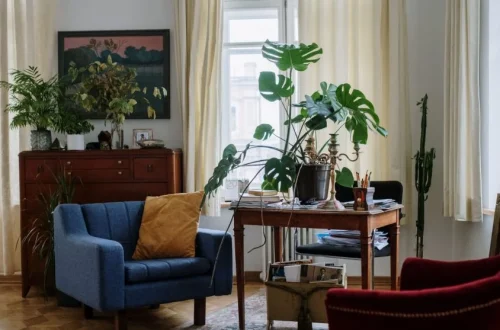
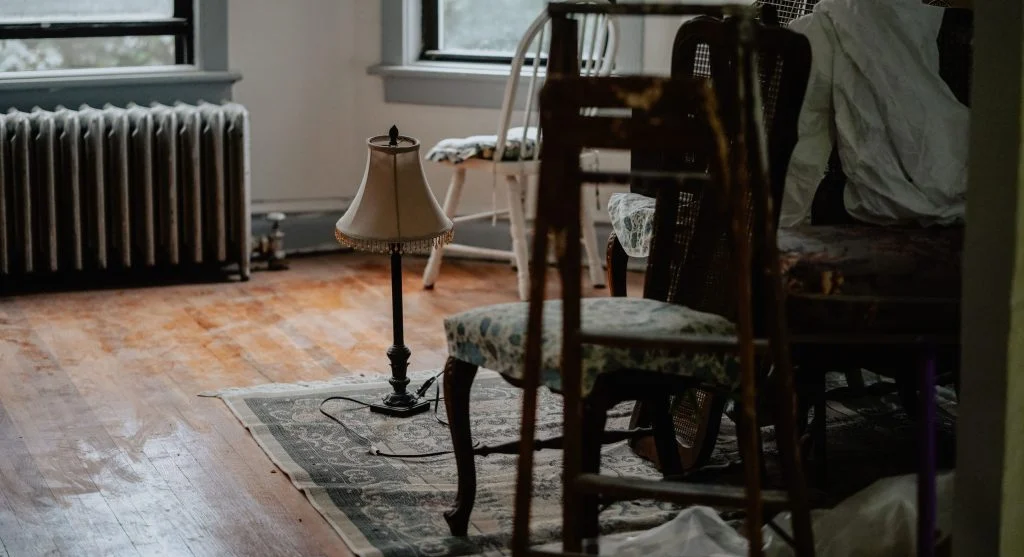
Your home may look completely normal at first glance. The furniture is in place, the decor is arranged, and nothing appears obviously wrong. Everything seems to be where it should be.
Yet after spending time in the space, you may notice a lingering feeling that something isn’t quite right. You can’t identify a specific problem, but the room never feels fully comfortable, balanced, or settled. It simply feels a little off.
This experience is far more common than many people realize. In most cases, it comes from small design and layout issues that subtly influence how your brain interprets the space.
Your Brain Can’t Fully Read the Room
Every room communicates information to your brain. These visual signals help you understand how the space functions and how it should be used.
When those signals are unclear or inconsistent, your brain continues trying to make sense of the environment. That ongoing effort creates a subtle feeling of uncertainty.
Even when nothing looks obviously wrong, that uncertainty is often experienced as discomfort.
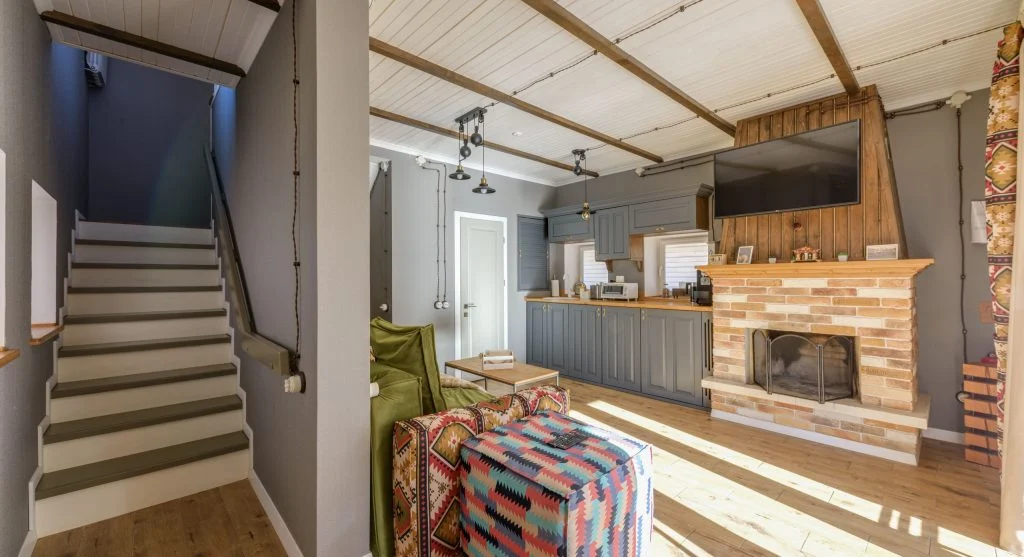
There Is No Clear Visual Direction
Your eyes naturally look for a path to follow. In a well-balanced room, your gaze moves comfortably from one area to another.
When there is no clear visual direction, your eyes wander without purpose. Instead of feeling organized, the room feels scattered.
This visual restlessness can make the entire space feel unsettled.
Everything Feels Slightly Out of Place
Objects do not need to be dramatically misplaced to affect the overall feel of a room. Even small positioning issues can have an impact.
- A table that sits slightly off-center
- A chair angled awkwardly
- Decorative items that don’t align properly
Your brain picks up on these details and quietly tries to correct them, creating a sense that something is off.
There Is No Strong Anchor Point
Every room benefits from having a central element that grounds the space.
Without a clear anchor, the room can feel as though everything is floating independently. Nothing seems firmly connected or rooted.
As a result, the space may feel incomplete or lacking structure.
Too Many Things Are Competing for Attention
When several elements are all trying to stand out at the same time, the room becomes harder to process.
- Too many colors
- Too many design styles
- Too many focal points
Because your brain cannot easily determine what deserves attention first, the space begins to feel visually chaotic.
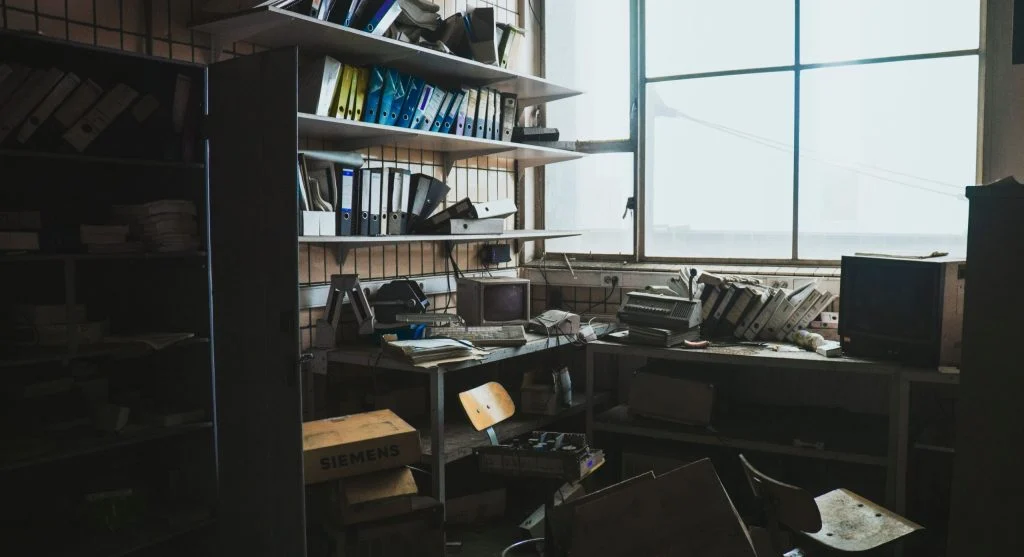
The Layout Feels Unbalanced
Balance is something people often feel before they consciously notice it. If one side of a room appears heavier or more crowded than the other, the entire space can feel unstable.
Even if the room looks acceptable overall, that imbalance creates subtle tension.
Balanced rooms tend to feel calm and comfortable, while unbalanced spaces often feel slightly unsettling.
Moving Through the Room Feels Awkward
As you move through a space, your body expects a natural flow.
When furniture placement or room arrangement interferes with that flow, movement becomes less intuitive. You may find yourself slowing down, changing direction unexpectedly, or navigating around obstacles.
That small amount of friction contributes to the feeling that something isn’t working properly.
The Objects Don’t Feel Connected
Items within a room should feel as though they belong together.
When furniture, colors, or decorative pieces have no clear relationship to one another, the room can feel fragmented rather than unified.
This lack of cohesion creates visual tension and makes the space harder to enjoy.
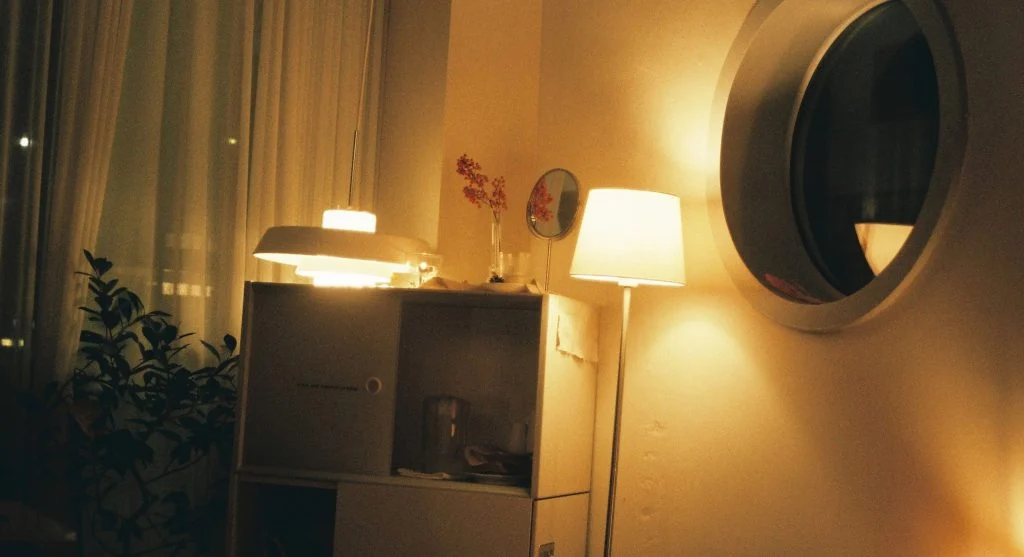
The Lighting Feels Slightly Off
Lighting has a significant impact on comfort, even when the problem is subtle.
Small issues such as:
- Areas that feel slightly too dark
- Uneven brightness throughout the room
- Harsh shadows in certain spots
can affect the overall atmosphere and make the space feel less inviting.
The Space Doesn’t Support Your Lifestyle
A home should work with your daily habits rather than against them.
When the layout doesn’t match the way you actually live, you may find yourself constantly adjusting, reorganizing, or avoiding certain parts of the room.
Over time, this creates a sense of disconnect between you and your environment.
There Are Too Many Small Decisions
Some rooms require constant decision-making without you even realizing it.
- Where should I sit?
- Where should I put this item?
- What is the easiest way to move through the room?
When these choices occur repeatedly, they add unnecessary mental effort and make the space feel less comfortable.
Why the Problem Is Hard to Identify
One reason this issue can be frustrating is that there usually isn’t a single obvious mistake.
Instead, the feeling comes from multiple small factors working together. Each issue may be minor on its own, but together they create an overall sense that the room isn’t quite right.
That’s why a space can feel off even when you can’t pinpoint a specific problem.
What Balanced Homes Do Differently
Balanced homes create a sense of clarity and purpose.
Furniture placement feels intentional, movement flows naturally, and every element works together rather than competing for attention.
As a result, the space feels stable, comfortable, and easy to use without requiring constant adjustment.
Simple Changes Can Make a Big Difference
Improving the feel of a room doesn’t always require a major redesign.
Often, small adjustments are enough. Aligning furniture more carefully, reducing visual clutter, and creating a stronger focal point can have an immediate impact.
Instead of focusing only on how the room looks, pay attention to how it feels when you spend time in it.
FAQ
Why does my home feel off?
Because of small layout and visual balance issues.
Is this a common problem?
Yes, many homes feel slightly off without obvious reasons.
Can I fix it without spending money?
Yes, rearranging and simplifying usually helps.
Key Takeaway
A home often feels “off” not because of one major problem, but because several small design elements are not working together effectively.
When balance, alignment, flow, and visual clarity improve, the space naturally begins to feel more comfortable, cohesive, and inviting.