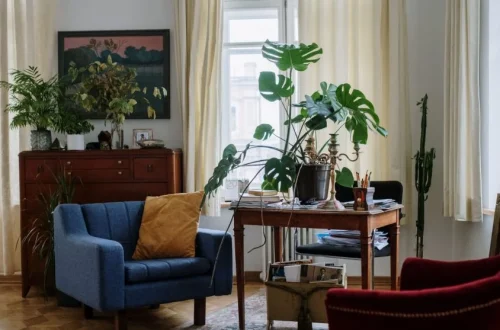
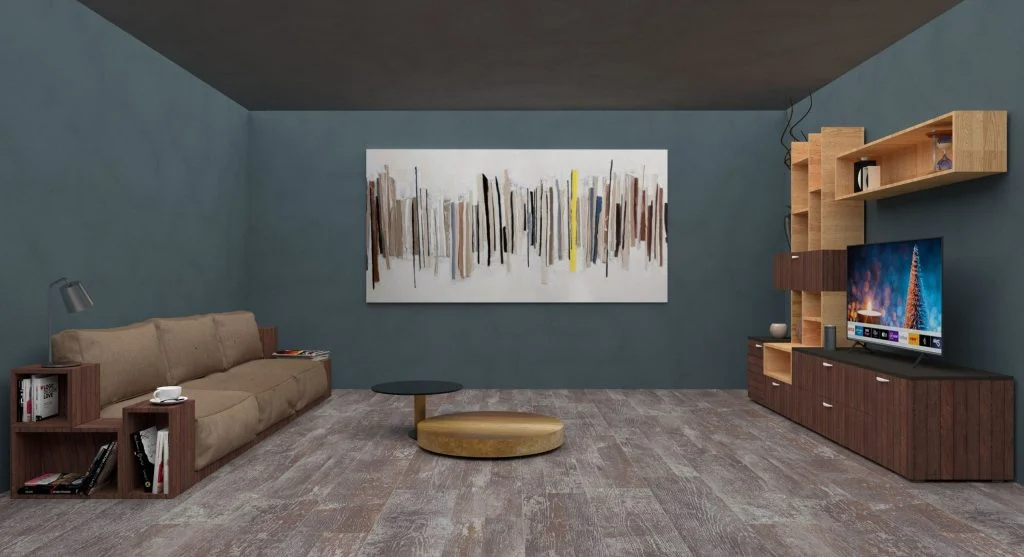
Your home may look perfectly fine at first glance. The furniture is arranged, the decor is in place, and everything appears neat and organized. Nothing seems obviously wrong, and there are no major design flaws that immediately catch your attention.
Yet when you spend time in the space, something feels slightly off. You may find it difficult to fully relax, and small annoyances start to stand out even though you cannot pinpoint a specific problem. The home functions well enough, but it does not feel effortless.
This experience is surprisingly common. In most cases, it is not caused by major decorating mistakes. Instead, it results from a series of small layout choices that influence how the space works on a daily basis.
Movement Feels Slightly Restricted
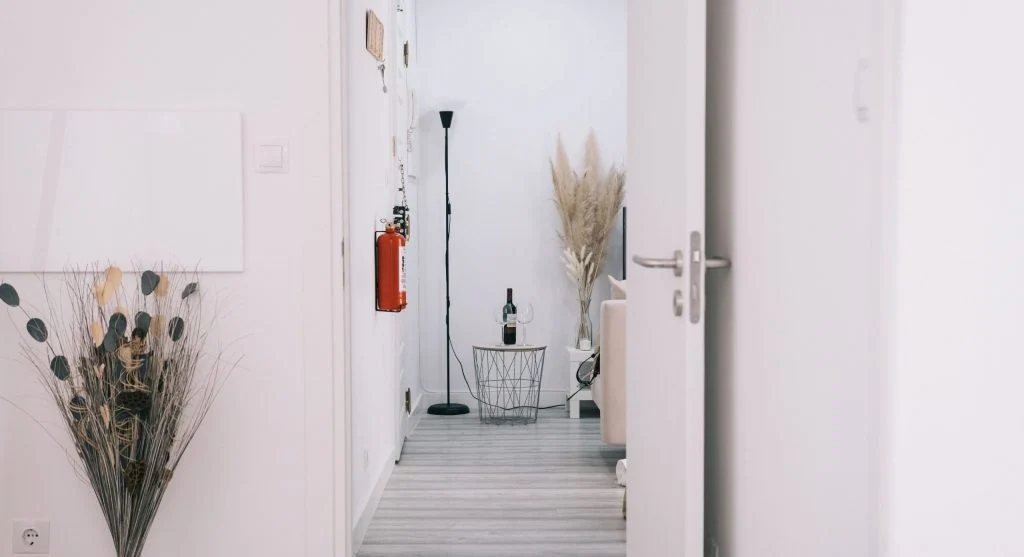
One of the earliest signs that a home feels uncomfortable is the way movement flows through it. You may not consciously notice it at first, but if you frequently slow down, change direction, or adjust your steps while walking, the layout may be creating subtle obstacles.
Even minor obstructions can affect how a room feels. A chair positioned a little too far out or a table that narrows a pathway can make movement feel less natural. Over time, these small disruptions contribute to a lingering sense of discomfort.
In a well-planned space, movement feels smooth and effortless. You can walk through the room without thinking about it because nothing interrupts your path. When that ease is missing, the room often feels more cramped than it actually is.
Seating Does Not Support Natural Behavior
Many seating arrangements are created with appearance in mind rather than everyday use. From a visual standpoint, everything may seem balanced and attractive, but the experience of sitting can tell a different story.
You may find yourself shifting positions repeatedly or feeling as though the setup does not support the way you naturally relax. This often happens when furniture placement does not reflect real-life habits and routines.
Comfort improves when seating is arranged around how people actually use the space. Without that connection, the room can feel slightly uncomfortable even when it looks well-designed.
Too Many Small Interruptions Build Over Time
Most household discomfort does not come from one major issue. Instead, it develops through a collection of small interruptions that occur throughout the day.
A surface that is awkward to reach, an item placed slightly in the way, or a layout that requires constant adjustment may seem insignificant on its own. However, when these experiences happen repeatedly, they create ongoing frustration.
Over time, those small inconveniences add up, making the home feel more difficult to use than it should be.
No Clear Flow Between Spaces
Comfortable homes usually have a natural flow that connects one area to the next. Moving through the space feels intuitive, and each room transitions smoothly into another.
When that flow is missing, the home can feel fragmented. You may notice yourself constantly adapting as you move between different areas.
This interruption in rhythm affects the overall experience of the home and can create a subtle sense of unease.

Visual Clutter Creates Mental Pressure
A home does not have to be messy to feel visually overwhelming. Even in a clean and organized room, too many visible items can create mental strain.
When your eyes continually jump from one object to another, your brain remains occupied processing the surrounding environment. This reduces the sense of calm and relaxation.
As a result, the space may feel busy despite being organized. Simply reducing the number of visible items can often create a noticeable improvement.
Lighting Does Not Match the Room
Lighting plays a major role in how comfortable a room feels. A space that is too dark can seem dull and uninviting, while excessive brightness can feel harsh and exhausting.
Uneven lighting can also create shadows that disrupt visual balance. This influences how the room is perceived and experienced throughout the day.
When lighting is balanced, it supports both productivity and relaxation, helping the space feel more comfortable and natural.
The Layout Does Not Match Your Routine
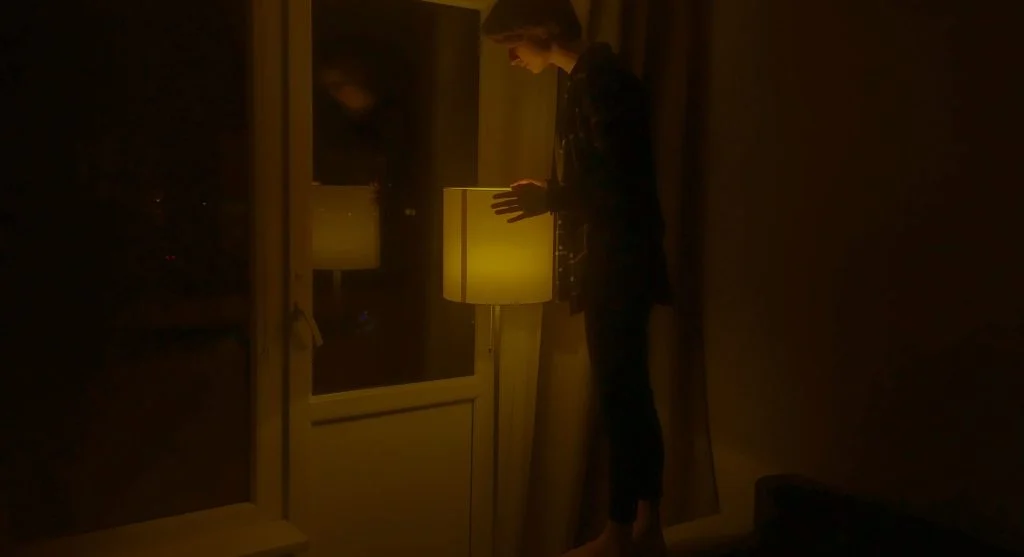
A home should support the way you actually live. When the layout does not align with your daily habits, even simple tasks can feel unnecessarily difficult.
You may find yourself constantly working around the space rather than moving through it naturally. These repeated adjustments become part of your routine.
Over time, this reduces overall comfort and makes the home feel less supportive than it could be.
Too Many Undefined Areas
Spaces tend to feel more complete when each area has a clear purpose. Without that definition, different functions begin to blend together.
When it is unclear how a space should be used, the room often feels less organized and less intentional.
Creating distinct zones adds structure, and that structure contributes significantly to comfort.
Imbalance in the Room
Balance influences how stable and comfortable a room feels. If one side of the space appears visually heavier than the other, something can feel slightly off even if the reason is not immediately obvious.
While the imbalance may be subtle, the brain still registers it.
Over time, this visual inconsistency can contribute to a lingering feeling of discomfort. Balanced rooms, by contrast, tend to feel more grounded and inviting.
Lack of Vertical Use
Many homes rely heavily on horizontal space, keeping most furniture and decor at the same level.
When vertical space is ignored, rooms can start to feel crowded and compressed. The lack of height variation reduces the sense of openness.
Using walls and vertical elements more effectively helps distribute visual weight and improves overall balance.
Objects Do Not Connect
When furnishings and decorative elements do not relate to one another, the room can feel disconnected.
Different colors, styles, and shapes are not necessarily a problem, but when there is no visual relationship between them, the result is often a sense of tension.
Even in a clean and organized home, that tension can make the space feel less comfortable.
Why This Feeling Builds Over Time
Discomfort rarely appears all at once. It develops gradually through repeated experiences that seem minor in isolation.
Each small inconvenience adds a little more pressure, and eventually the overall environment feels less relaxing than it should.
Because the change happens so slowly, identifying the exact cause can be difficult.
What Comfortable Homes Do Differently
Comfortable homes are designed to reduce effort. Movement feels easy, and the layout naturally supports everyday habits.
There are fewer obstacles, fewer interruptions, and a clearer sense of purpose throughout the space.
The difference may not always be obvious visually, but it is noticeable in how the home feels to live in.
Simple Changes That Improve Comfort
Making a home more comfortable does not usually require major renovations or expensive upgrades. Small adjustments can often have a significant impact.
Opening up pathways, repositioning seating, and reducing visual clutter can quickly improve how a space functions and feels.
Because these changes focus on usability, they often deliver noticeable results with minimal effort.
FAQ
Why does my home feel uncomfortable?
Because of small layout issues that affect movement and use.
Is this common?
Yes, many homes feel slightly uncomfortable despite looking fine.
Can I fix it without spending money?
Yes, layout adjustments usually solve the problem.
Key Takeaway
When a home feels uncomfortable, the cause is often a mismatch between the space and the way it is used.
By improving movement, aligning the layout with daily habits, and removing small sources of friction, a home can become noticeably more comfortable and enjoyable to live in.