
Credit: www.kaboompics.com / Pexels
Step 2: Set a Simple Design Direction
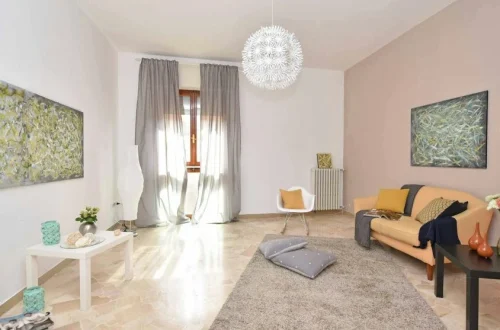
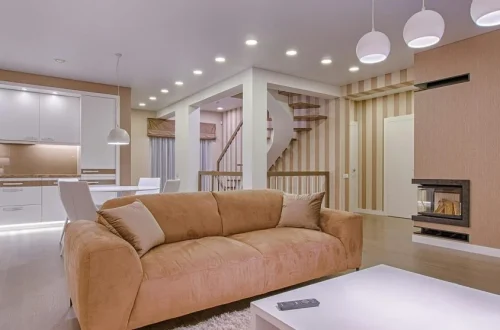
Choosing a clear design direction makes the room makeover easier to manage. This could be a modern, minimal, traditional, or cozy style, depending on the mood and function of the space.
Interior designers often explain that having a defined style helps prevent confusion. It keeps colors, furniture, and decor choices working together instead of making the room feel mismatched.
Step 3: Evaluate Existing Furniture
Before buying anything new, it helps to look carefully at what is already in the room. Some furniture may still work well if it is reused, moved, or paired with different pieces.
Experts note that reusing existing items can reduce costs while keeping the space familiar and comfortable. It also helps avoid unnecessary purchases.
Step 4: Improve Layout for Better Function
Changing the layout can make a room feel more practical without requiring a full redesign. Furniture should be arranged in a way that supports movement and daily use.
Design professionals recommend keeping walkways open and avoiding blocked areas. A room usually feels more comfortable when people can move through it easily.
Credit: Ritam Das / Pexels
Step 5: Update Colors and Surfaces
Color changes can refresh a room quickly. Paint, wallpaper, or simple finishes can improve appearance.
Experts suggest using neutral tones with small accents for balance.
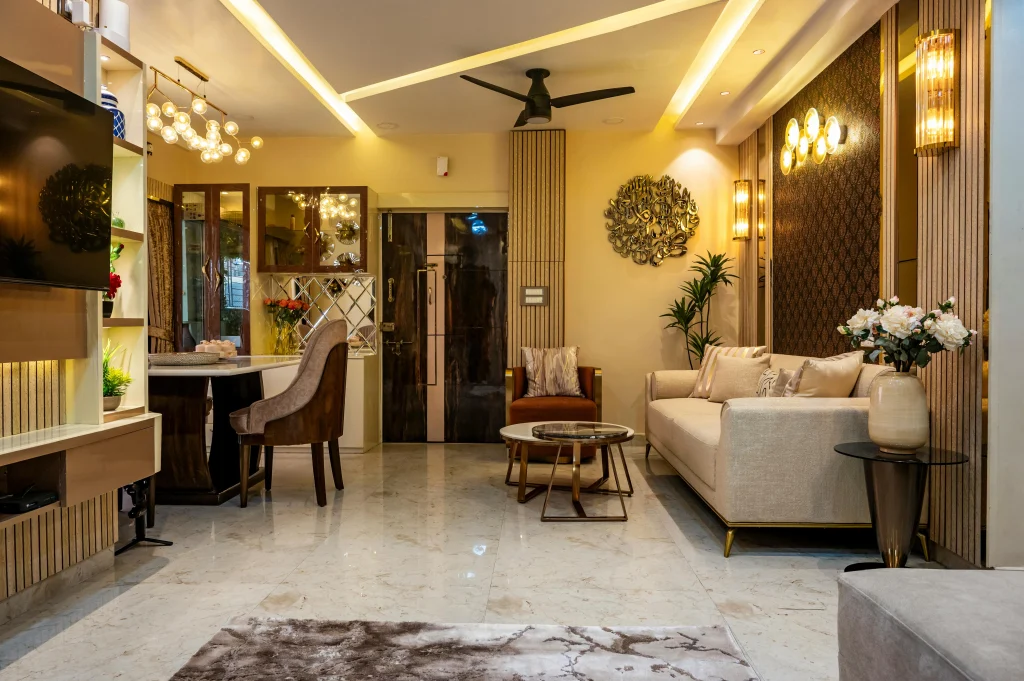
Step 6: Adjust Lighting for Comfort
Lighting plays a key role in any room makeover. Combining natural and artificial light improves usability.
Lighting specialists explain that well-lit rooms feel more open and comfortable.
Step 7: Add Simple Decor Elements
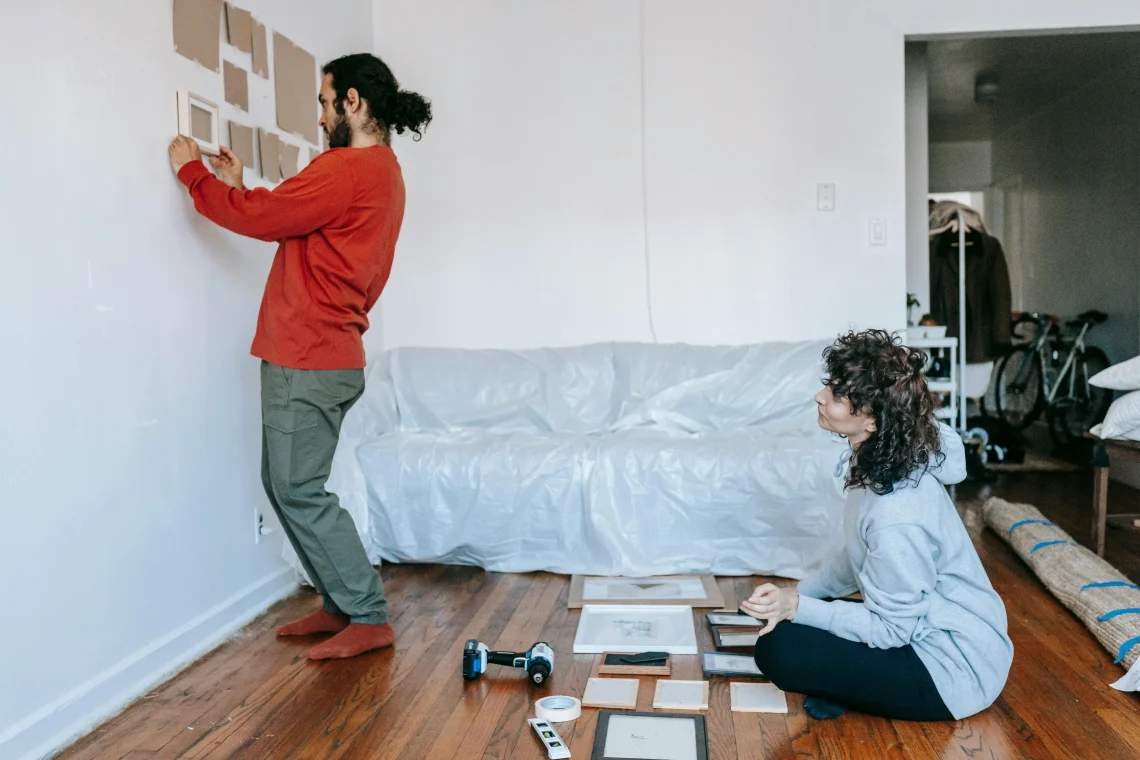
Decor items like cushions, rugs, or wall art can complete the makeover. These elements add personality without major changes.
Experts recommend using a limited number of decor items to avoid clutter.
Step 8: Focus on Storage and Organization
Good storage keeps the room clean and functional. Shelves, cabinets, and storage boxes help reduce clutter.
Home organization specialists suggest using hidden storage where possible.
Step 9: Review and Adjust the Final Setup
After completing the makeover, review the room to ensure it meets expectations. Small adjustments may still be needed.
Experts recommend testing the space during daily use to identify improvements.
Frequently Asked Questions
Q: What is the first step in a room makeover?
A: The first step is defining the purpose of the room and how it will be used daily.
Q: Can I do a room makeover on a budget?
A: Yes, reusing furniture and making small updates can reduce costs.
Q: How long does a room makeover take?
A: The time depends on the size of the project, but simple makeovers can be completed quickly.
Q: Why is layout important in a room makeover?
A: Layout affects movement, comfort, and how effectively space is used.
Key Takeaway
Room makeover projects work best with clear planning and simple changes. Experts recommend focusing on layout, lighting, and design consistency. These steps help improve both style and function in any room.