
2. DIY Always Costs Less
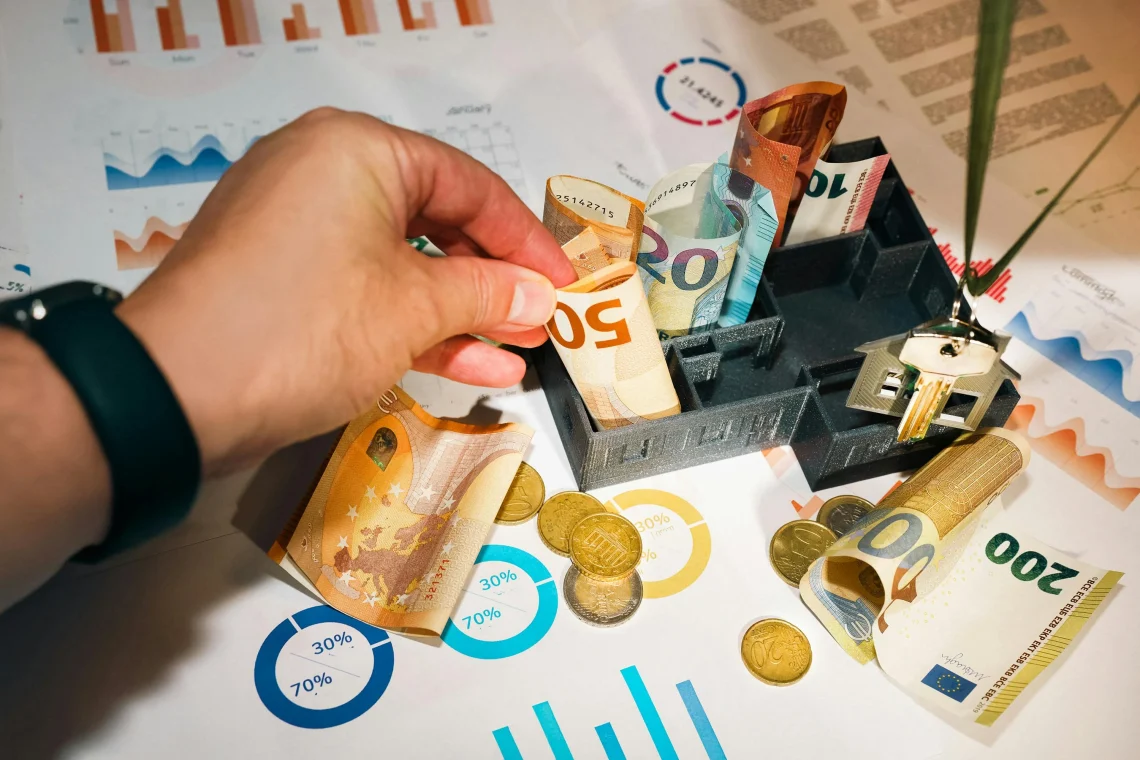
DIY projects can save money, but that is not always the case. Mistakes, missing tools, or lack of experience can end up increasing the total cost.
Experts recommend choosing DIY projects carefully and considering your skill level before starting.
3. Small Changes Do Not Make a Difference
Many people believe that only major renovations can improve a home. In reality, small updates can create a strong impact.
Interior designers note that changes in lighting, layout, and decor can completely refresh a space.
4. Budget Design Means Poor Style
Affordable home decor does not mean giving up on style. Thoughtful choices can still create a balanced, modern, and attractive look.
Experts emphasize careful planning over unnecessary spending.
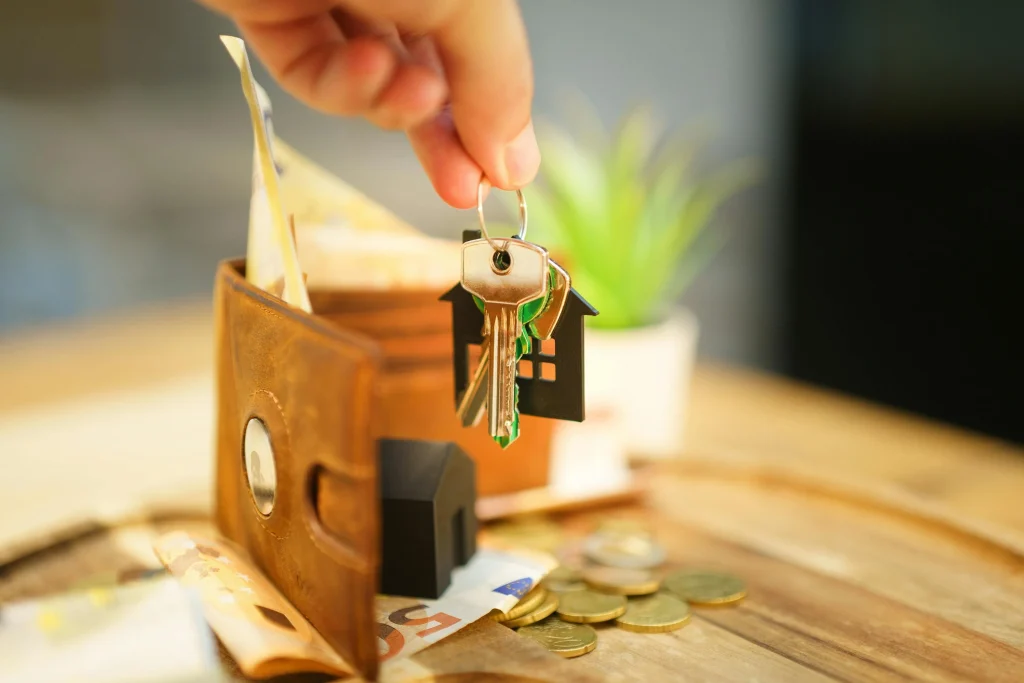
Credit: Jakub Zerdzicki / Pexels
5. More Decor Makes a Room Better
Adding too many items can make a room feel cluttered. In many cases, minimal decor creates a cleaner and more effective result.
Experts recommend focusing on a few key pieces that support the overall design.
6. Furniture Must Be Replaced to Improve Design
Some people believe new furniture is necessary for better design. However, rearranging existing items can often create similar improvements.
Design professionals suggest testing different layouts before buying new pieces.
7. Budget Means Ignoring Comfort
Comfort should not be overlooked when trying to save money. A space should still feel functional, practical, and comfortable.
Experts advise balancing cost with everyday usability.
8. All Rooms Need Equal Spending
Not every room needs the same level of investment. Some spaces require more attention because they are used more often.
Experts recommend prioritizing the areas that are part of daily life.
Frequently Asked Questions
Q: What are budget home myths?
A: These are common misconceptions about saving money in home design that may lead to poor decisions.
Q: Can budget design still look good?
A: Yes, careful planning and simple choices can create stylish results.
Q: Is DIY always cheaper?
A: Not always. Costs can increase if mistakes occur or tools are needed.
Q: Why is planning important in budget design?
A: Planning helps avoid unnecessary spending and improves overall results.