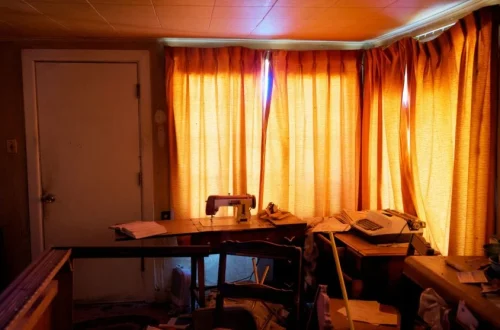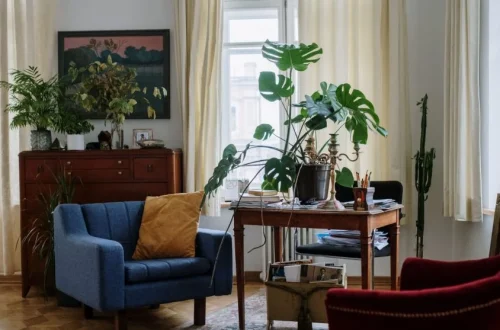
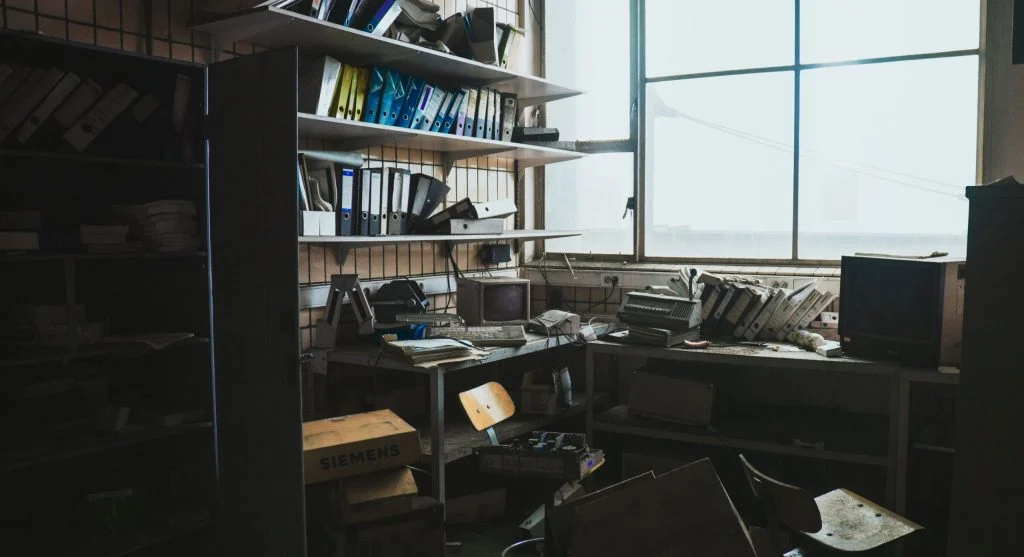
You may not notice it at first.
Your home looks fine. It functions well enough. Nothing seems obviously wrong.
Yet over time, you feel a little more tired than expected. A little less focused. Slightly uneasy without knowing exactly why.
This is not random.
Your environment is constantly interacting with your brain, shaping your experience in subtle ways throughout the day.
Even small design choices can quietly increase mental stress without drawing attention to themselves.
Too Many Visual Decisions
Everything in a room competes for a small amount of your attention.
Every object requires your brain to process information:
- What is this?
- Why is it here?
- Is it important?
The more items your eyes encounter, the more work your brain performs in the background.
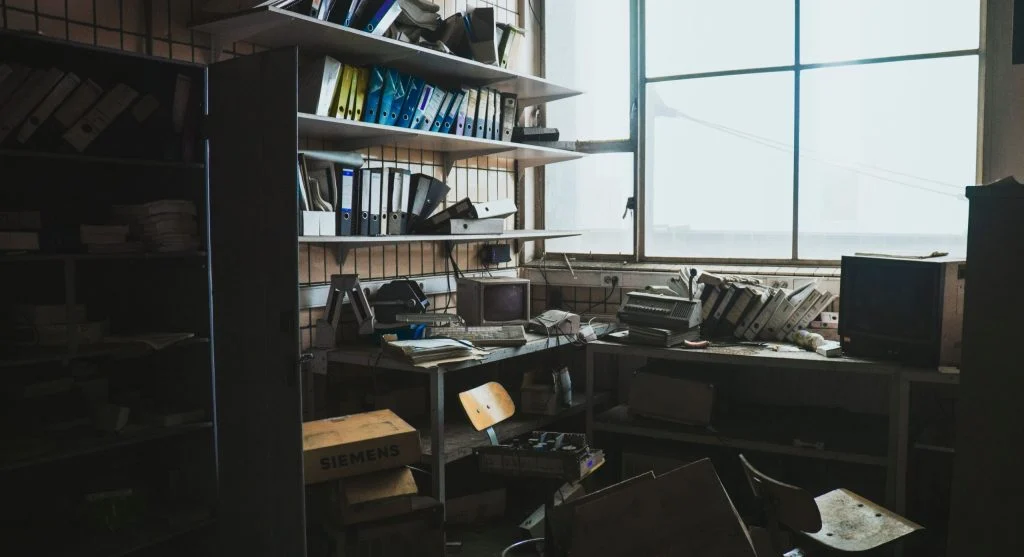
Most of this processing happens automatically, so you rarely notice it. However, when there are too many visual elements competing for attention, mental fatigue begins to build.
A space does not need to be cluttered to feel mentally demanding. It only needs to require constant processing.
Unfinished Areas Keep Pulling Your Attention
Human brains naturally seek completion.
When parts of a room feel unresolved, they continue attracting attention even when you are not consciously focusing on them.
Examples include:
- Empty corners that seem forgotten
- Walls that feel visually unbalanced
- Areas that appear underused or undefined
These spaces can create a subtle feeling that something is missing.
As a result, your mind keeps revisiting them, searching for resolution.
Small Misalignments Create Hidden Tension
A room does not need perfect symmetry to feel comfortable.
However, repeated small misalignments can create ongoing visual tension.
These might include:
- Uneven spacing between objects
- Slightly crooked placement
- Visual weight concentrated on one side of a room
Your brain naturally looks for order and balance.
When it encounters repeated inconsistencies, it quietly works to correct them, even if you never consciously notice the effort.
Objects That Constantly Demand Attention
Some items naturally stand out more than others.
Bright colors, bold patterns, unusual shapes, and strong contrasts immediately attract the eye.

One or two attention-grabbing elements can create interest.
Too many create distraction.
Instead of moving smoothly through the room, your attention repeatedly jumps from one focal point to another.
This constant interruption makes it harder to relax and focus.
No Clear Visual Hierarchy
Comfortable rooms guide your attention.
They establish a clear order:
- Primary focal point
- Supporting elements
- Background details
When every object appears equally important, your brain struggles to determine where to focus.
Nothing stands out, yet everything competes.
This creates a subtle sense of confusion that increases mental effort.
Repeated Micro-Irritations Add Up
Stress does not always come from major problems.
Often, it develops through small frustrations repeated many times each day.
These may include:
- Minor inconveniences
- Small delays
- Slight discomforts
- Awkward movements
Individually, each issue feels insignificant.
Together, they create a constant stream of low-level friction that slowly drains mental energy.
Mixed Signals Keep the Brain Alert
Every room communicates an emotional message.
When different parts of the home send conflicting signals, your brain remains engaged instead of relaxing.
For example:
- One area feels calm and organized
- Another feels busy and overstimulating
- Another feels unfinished
This inconsistency creates uncertainty.
Rather than settling into the environment, your mind continues evaluating it.
No Place for the Mind to Rest
Just as the body needs moments of physical rest, the brain needs visual rest.
A room filled with constant stimulation offers no opportunity for attention to pause.
Every wall, surface, and corner asks for processing.
Without calmer areas, your mind remains active longer than necessary.
These visual rest zones do not need to be empty. They simply need to feel quieter and less demanding than the surrounding space.
Why the Stress Is Hard to Notice
The effects rarely appear immediately.
They build gradually.
You do not walk into a room and suddenly feel overwhelmed.
Instead, the environment creates a form of background noise that stays present throughout the day.
Because the stress is subtle, it often goes unnoticed.
Yet its influence accumulates over time, affecting focus, comfort, and overall well-being.
What Low-Stress Spaces Do Differently
Spaces that feel calm share a common quality: they reduce mental effort.
They typically:
- Minimize unnecessary visual decisions
- Establish clear visual structure
- Reduce competing focal points
- Eliminate small sources of friction
- Provide areas where attention can rest
As a result, your brain spends less energy processing the environment.
The space feels supportive rather than demanding.
Frequently Asked Questions
Q: Can my home really cause stress?
A: Yes, subtle design factors affect mental load.
Q: Is clutter the main issue?
A: Not always — even organized spaces can cause stress.
Q: Can small changes help?
A: Yes, reducing distractions improves comfort.
Q: What should I focus on first?
A: Visual simplicity and clear structure.
Key Takeaway
Your home may be creating stress in ways that are difficult to see but easy to feel. Small design details, repeated distractions, and unresolved visual elements can quietly increase mental fatigue over time. By simplifying the environment, improving balance, and reducing unnecessary friction, you can create a space that supports focus, comfort, and relaxation more naturally every day.