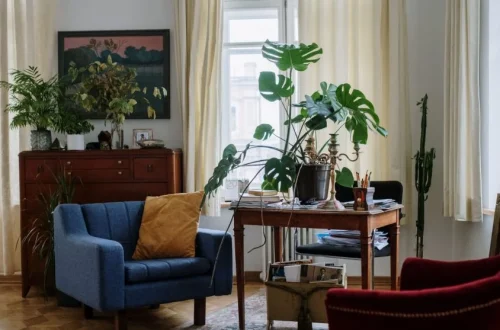
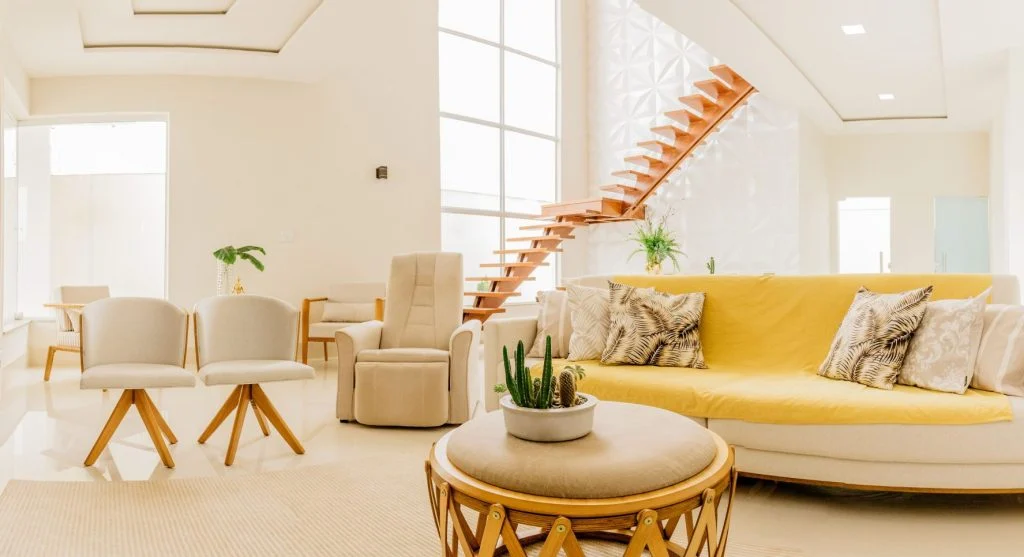
Everything appears to be in place.
The colors work together. The furniture is arranged thoughtfully. The decor feels coordinated.
On paper, the room should feel complete.
Yet something feels missing.
The space does not feel natural. It does not feel personal. Instead, it feels staged more like a display than a home.
This is one of the most overlooked challenges in interior design.
A room can look beautiful and still feel disconnected from real life.
Too Much Attention on Appearance
Many interiors are designed primarily to look good.
Every element is chosen for visual impact.
Every detail is carefully controlled.
While appearance matters, a home is more than a collection of attractive objects.
When design focuses only on how a room looks, it can overlook how the room feels and functions.
The result is a space that photographs well but lacks the comfort and ease people naturally expect from a home.
A successful room balances appearance with experience.
The Absence of Everyday Life
Homes feel authentic when they reflect the people who live in them.
Not through clutter or disorder, but through subtle signs of daily use.

A favorite chair positioned where someone actually sits.
A reading corner that looks genuinely used.
Objects that suggest routines, habits, and activity.
When everything appears untouched, the room can feel suspended in time.
Instead of feeling lived in, it feels as though it is waiting for life to begin.
Too Much Perfection Can Feel Uncomfortable
Order is important.
Balance is important.
But there is a point where perfection begins to work against comfort.
Perfect symmetry.
Perfect spacing.
Perfect alignment.
While these choices create structure, excessive precision can make a room feel rigid.
Real environments naturally contain small variations.
These subtle imperfections make a space feel human.
Without them, the room can seem controlled rather than welcoming.
Objects Exist Without Purpose
In authentic spaces, objects support the way people live.
Furniture serves a function.
Accessories contribute to the atmosphere.
Decorative pieces connect to the room around them.
When items are placed solely for appearance, they may look attractive but feel disconnected.
The room becomes a collection of objects rather than a cohesive environment.
Purpose creates meaning, and meaning creates authenticity.
Elements Do Not Relate to One Another
A room feels natural when its elements work together.
Furniture, lighting, decor, and layout should create relationships within the space.
When objects appear isolated from one another, the room can feel fragmented.
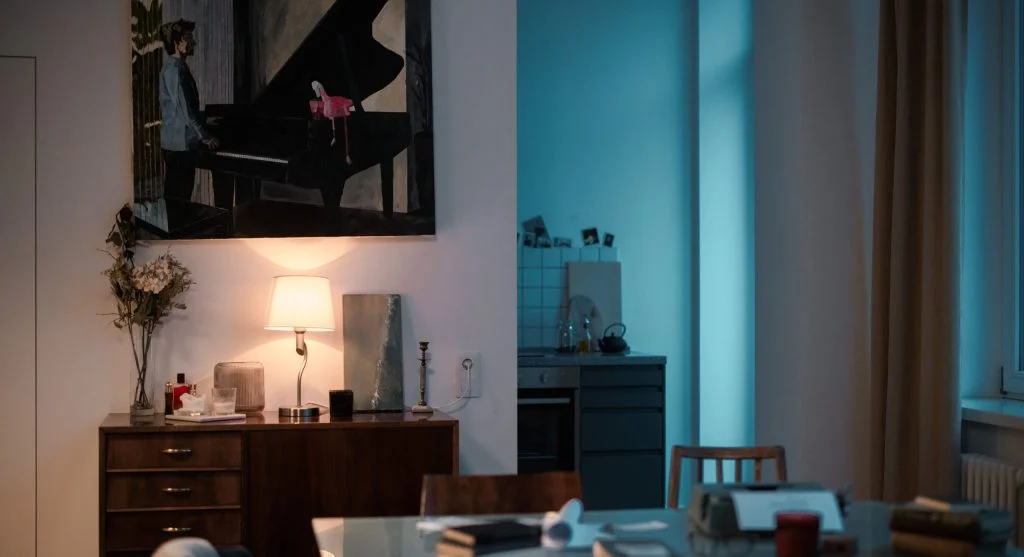
Instead of contributing to a larger whole, each item stands alone.
Connection is what transforms individual pieces into a complete environment.
Without it, a room may appear styled but still feel artificial.
The Space Does Not Invite Interaction
Some rooms seem as though they are meant to be admired rather than used.
People hesitate to sit down.
They avoid touching surfaces.
The space feels fragile or overly controlled.
Comfortable homes create the opposite reaction.
They encourage interaction.
People naturally relax, settle in, and use the room without hesitation.
A home should feel accessible, not untouchable.
Uniform Styling Removes Character
Consistency helps create cohesion.
However, when every piece follows exactly the same style, color, and visual language, the room can lose its individuality.
It begins to resemble a showroom or catalog.
Personality often emerges through variation.
A mix of influences, textures, and experiences creates depth.
Without that variation, the room may feel polished but emotionally distant.
Lighting Feels Overly Controlled
Lighting shapes atmosphere in powerful ways.
When lighting feels excessively staged or theatrical, the room can seem artificial.
Natural-feeling spaces often include variation in brightness, shadow, and mood.
Light should support the room rather than perform for it.
Overly controlled lighting sometimes draws attention to itself instead of helping people feel comfortable.
The best lighting often goes unnoticed because it feels effortless.
Why Perfect Rooms Can Feel Unreal
The human brain expects evidence of life.
It expects variation.
It expects signs of use.
It expects environments to evolve and change.
When a room appears too perfect, those expectations are not met.
As a result, the space can feel unfamiliar despite looking attractive.
The problem is not that the room is beautiful.
The problem is that it feels disconnected from the reality of living in it.
What Makes a Home Feel Authentic
Authentic homes are not flawless.
They feel genuine because they reflect real life.
They often include:
- Subtle variation
- Meaningful placement
- Evidence of daily use
- Comfortable imperfections
- Objects with purpose
- Connections between elements
These qualities create warmth, personality, and trust.
The space feels lived in rather than merely decorated.
Frequently Asked Questions
Q: Why does my home feel fake?
A: Because it focuses on appearance over experience.
Q: Is perfection a problem?
A: Too much perfection can feel artificial.
Q: Can small changes fix this?
A: Yes, adding natural variation helps.
Q: What makes a home feel real?
A: Connection, use, and subtle imperfection.
Key Takeaway
A home that feels artificial is often not lacking beauty—it is lacking connection. When design prioritizes appearance over experience, a space can feel staged rather than lived in. By introducing natural variation, encouraging interaction, and allowing rooms to reflect real life, a home becomes more than visually appealing. It becomes authentic, personal, and genuinely comfortable.