Many people assume furniture is the reason a room feels uncomfortable.
The sofa seems wrong. The table feels awkward. The room never quite comes together.
As a result, the first solution that comes to mind is often replacing something.
A new sofa. A different chair. Another table.
However, in many cases, the furniture itself is not the problem.
The real issue is how that furniture is arranged.
A room can contain excellent furniture and still feel uncomfortable if the layout works against the way people naturally move, interact, and use the space.
Pushing Everything Against the Walls
One of the most common furniture placement mistakes is moving every piece to the edge of the room.
The intention is usually to create more open space.
Unfortunately, the result is often the opposite.
When all furniture sits against the walls, the center of the room can feel empty while the perimeter feels crowded.
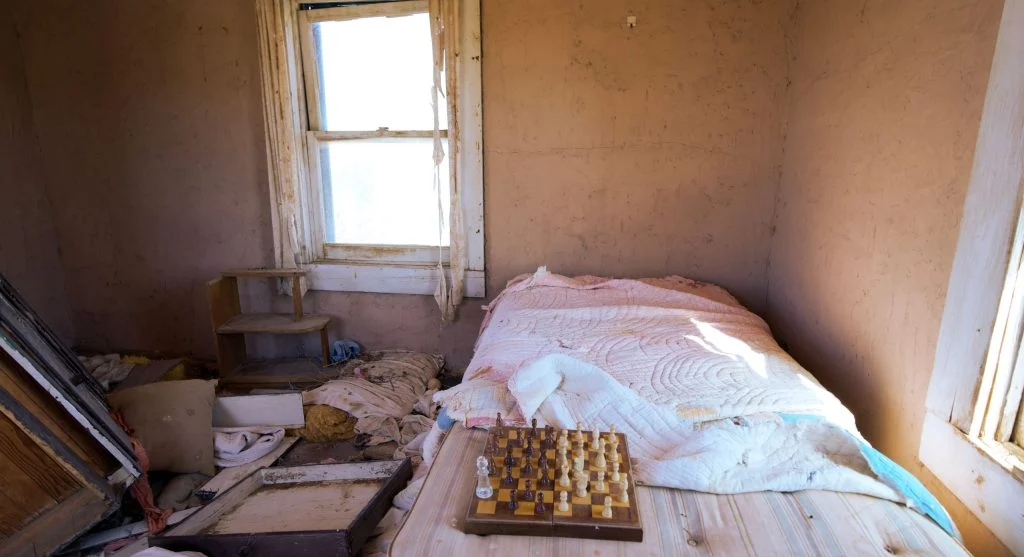
This creates an imbalance that makes the room feel less connected and less inviting.
Comfort comes from thoughtful relationships between furniture pieces, not simply from maximizing empty floor space.
No Clear Conversation Area
Furniture should encourage interaction.
When sofas and chairs are positioned too far apart—or arranged without facing one another—conversation becomes less natural.
People feel separated rather than connected.
Even if the room looks spacious, it can feel emotionally distant.
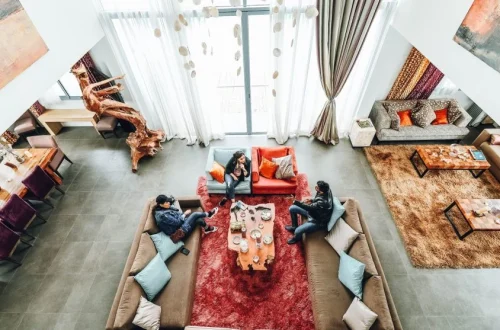
A comfortable seating arrangement typically creates a sense of connection and encourages people to gather without effort.
Blocking Natural Pathways
Furniture should support movement through a room.
When pieces interrupt walking paths, force detours, or create narrow passages, the layout begins to work against the people using it.
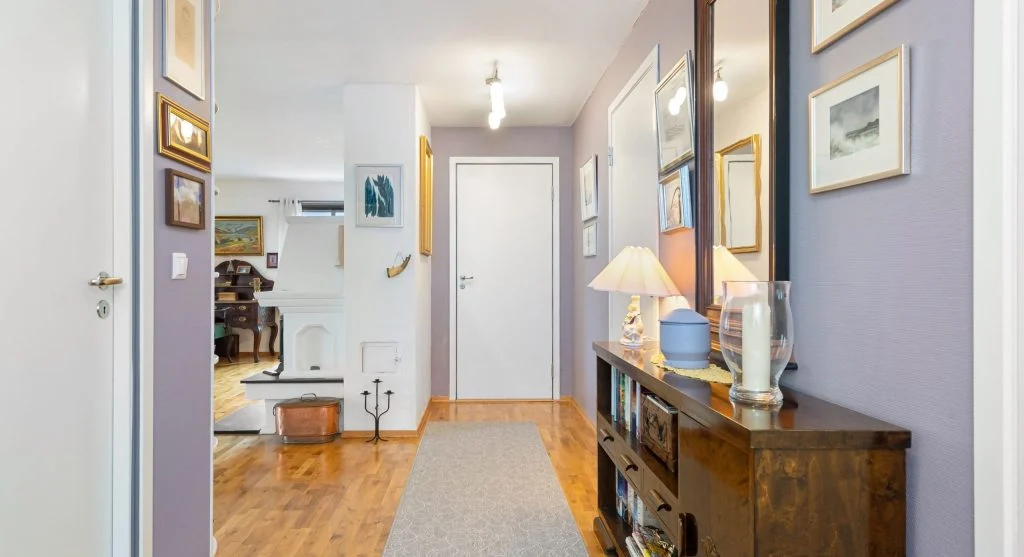
You may find yourself:
- Walking around obstacles repeatedly
- Squeezing through tight spaces
- Adjusting your route every time you cross the room
These small interruptions create friction that affects comfort more than most people realize.
Clear pathways make a space feel intuitive and easy to use.
The Wrong Distance Between Furniture
Comfort often depends on spacing.
Furniture pieces that are too far apart can make a room feel disconnected.
Pieces that are too close together can make the space feel cramped.
For example:
- A coffee table that is too far from seating becomes inconvenient
- Seating placed too close together may feel crowded
Good spacing often goes unnoticed because it feels natural.
Poor spacing tends to draw attention because it creates subtle discomfort.
Ignoring the Room’s Focal Point
Most successful rooms have a visual anchor.
This focal point might be:
- A television
- A fireplace
- A large window
- A central table
- A significant architectural feature
Furniture placement should acknowledge and support that focal point.
When seating and other furnishings seem unrelated to the room’s main feature, the space can feel disorganized and lacking direction.
A focal point helps give the layout purpose.
Using Furniture Without a Clear Function
Every piece of furniture should contribute something meaningful.
When items are added simply to fill empty space, they often create confusion rather than comfort.
A chair that is never used.
A table with no clear purpose.
A decorative piece that interrupts movement.
These additions may make the room feel busier without making it more functional.
Purpose creates clarity, and clarity improves comfort.
Designing for Appearance Instead of Daily Life
A layout may look beautiful in a photograph and still perform poorly in everyday life.
The most comfortable rooms reflect the habits of the people who use them.
If your family gathers to watch television, the seating should support that.
If you frequently entertain guests, conversation areas should feel natural.
If you read, work, or relax in the room, the layout should make those activities easy.
A room works best when it supports real behavior rather than an idealized image.
Overcrowding One Area
Sometimes discomfort comes from uneven distribution rather than too much furniture overall.
One side of a room may feel crowded with seating, tables, and accessories while another side feels nearly empty.
This creates visual imbalance.
The room may feel heavier in one area and unfinished in another.
Balanced distribution helps the space feel more stable and comfortable.
Why Rearranging Often Works Better Than Replacing
When a room feels wrong, replacing furniture may seem like the obvious answer.
However, new furniture cannot solve a layout problem.
If movement paths are blocked, replacing a sofa may not help.
If seating feels disconnected, buying a new chair may not solve the issue.
In many cases, rearranging existing furniture creates a more dramatic improvement than purchasing something new.
It is often faster, less expensive, and surprisingly effective.
What Good Furniture Placement Feels Like
The best layouts rarely draw attention to themselves.
Instead, they create a sense of ease.
You:
- Move naturally through the room
- Sit comfortably without adjustment
- Reach what you need easily
- Interact with others effortlessly
The space feels supportive rather than demanding.
That is often the clearest sign that furniture placement is working.
Frequently Asked Questions
Q: Can furniture placement really affect comfort?
A: Yes, more than the furniture itself.
Q: What is the biggest mistake?
A: Pushing everything against walls.
Q: Should I buy new furniture?
A: Not before fixing the layout.
Q: How do I know if my layout is right?
A: If movement and use feel natural.
Key Takeaway
Furniture placement often matters more than the furniture itself. A room that feels uncomfortable may not need new pieces—it may simply need a better arrangement. By improving flow, balancing spacing, supporting natural movement, and creating stronger connections between furniture, you can transform how a room feels without spending money on replacements.