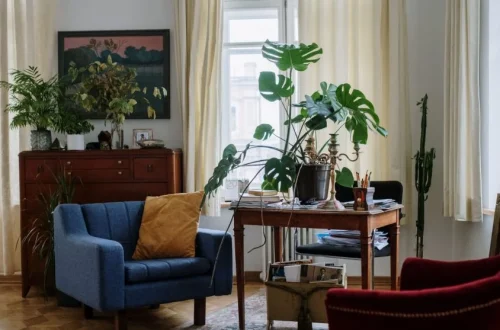
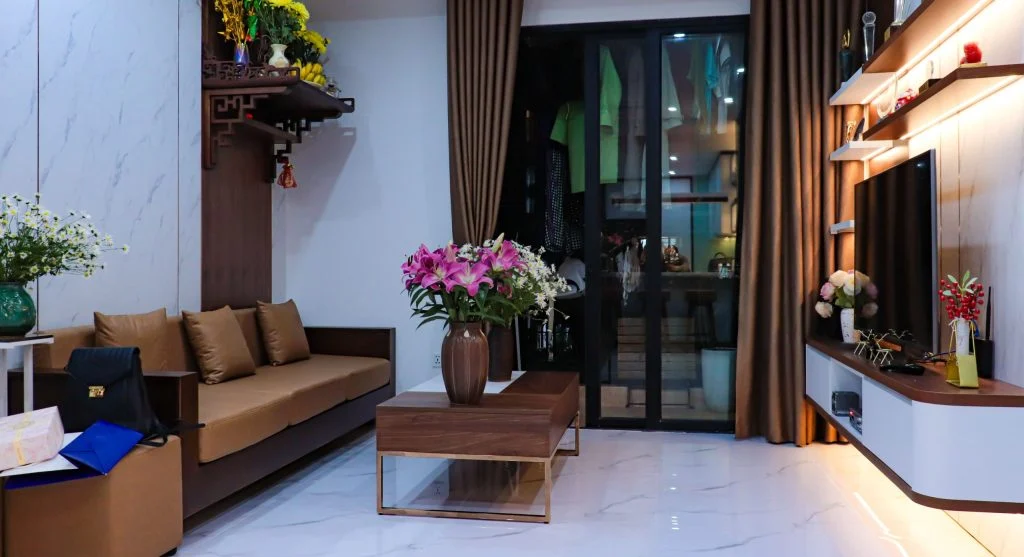
You walk into a room and instantly feel comfortable.
There is no need to analyze the space. You do not have to adjust to it or figure out how to use it. You simply relax.
Then there are other spaces that seem impressive at first glance. They may be beautifully decorated, highly modern, or carefully styled. Yet something feels slightly uncomfortable.
You cannot always explain why.
The difference is rarely about decoration alone.
It is often about the way your brain interprets the environment around you.
Your Brain Evaluates a Space Immediately
Long before you consciously form an opinion, your brain begins assessing the room.
It looks for answers to basic questions:
- Can I move through this space easily?
- Do I understand how it works?
- Does this environment feel supportive and predictable?
When those answers are clear, the room feels comfortable and safe.
When they are unclear, subtle tension begins to build.
You may not consciously notice it, but your body often does.
Clear Layouts Create a Sense of Security
One of the strongest signals of comfort is clarity.
In spaces that feel safe, it is easy to understand where things belong and how the room functions.
You can quickly see:
- Where to sit
- How to move through the space
- How different areas connect
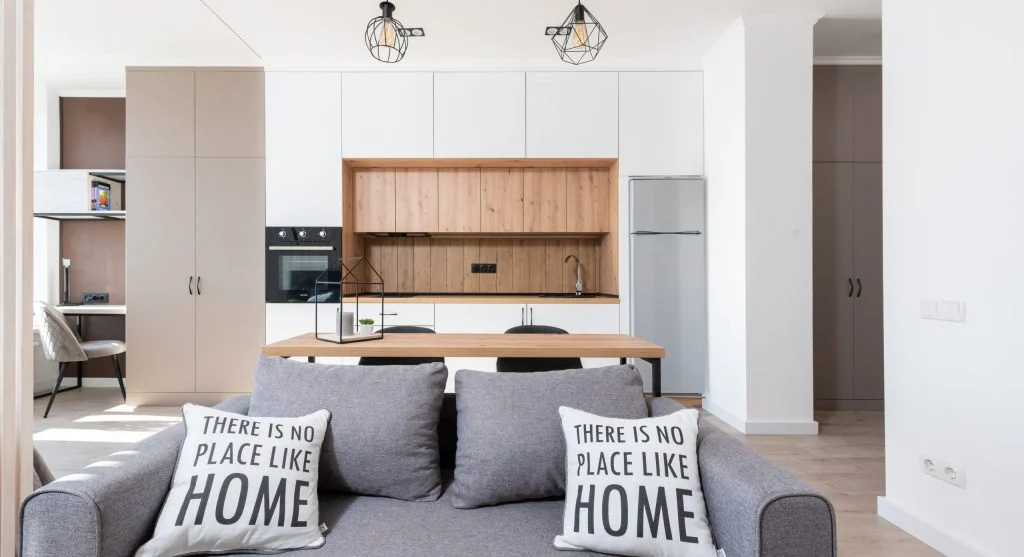
There is little confusion or uncertainty.
By contrast, complicated layouts often require more mental effort. Even when they look attractive, they can create a feeling of unease because the brain must work harder to understand them.
Balanced Boundaries Feel Protective
Comfortable rooms tend to have boundaries that feel balanced.
The space feels defined enough to provide a sense of shelter, but not so enclosed that it feels restrictive.
Furniture placement, walls, and room divisions all contribute to this feeling.
If a space feels too open, people may experience a subtle sense of exposure.
If it feels too confined, the room can seem limiting.
The most comfortable environments usually strike a balance between openness and protection.
Softness Helps the Mind Relax
The brain responds strongly to visual and physical softness.
Sharp edges, rigid forms, and highly structured environments can keep people mentally alert.
Soft textures, curved shapes, gentle materials, and warm lighting often have the opposite effect.
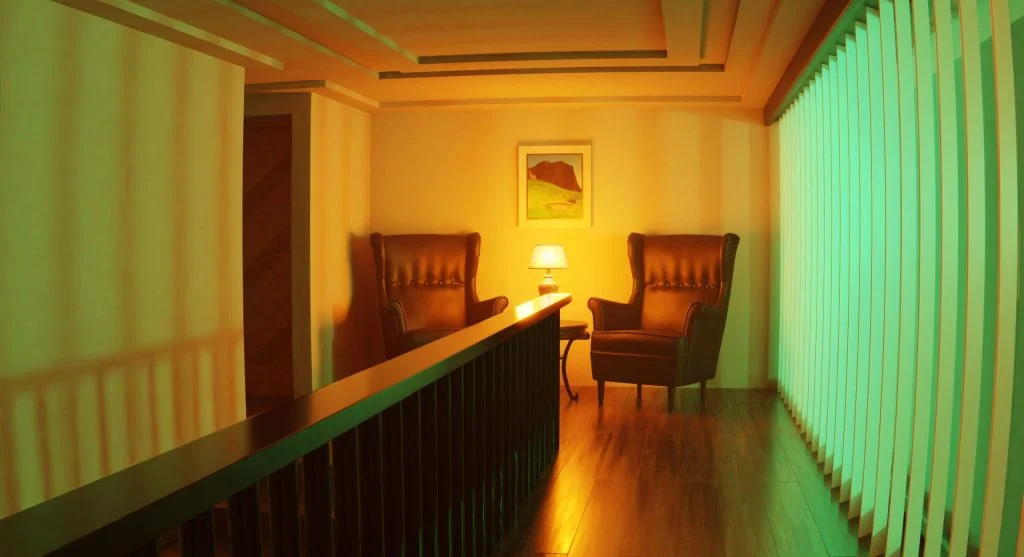
These elements signal ease rather than vigilance.
The result is a space that feels more welcoming and less demanding.
Visibility Without Feeling Exposed
People often assume comfort comes from seeing everything around them.
In reality, comfort is usually about understanding the environment without feeling vulnerable.
A safe-feeling room allows you to see enough to feel oriented and aware while still providing a sense of privacy and protection.
This balance creates confidence in the space.
Too much exposure can feel unsettling, while too little visibility can create uncertainty.
Lighting Plays a Major Role
Lighting has a powerful influence on how secure and comfortable a room feels.
Spaces that feel safe typically use lighting that appears intentional and balanced.
They avoid extremes.
Lighting that is too bright can feel harsh and overstimulating.
Lighting that is too dim can create uncertainty and make navigation more difficult.
A balanced, warm glow tends to support relaxation because it reduces visual stress and makes the environment easier to interpret.
Stable Objects Build Trust
Comfort is also connected to stability.
Furniture that feels sturdy, balanced, and appropriately placed sends signals of reliability.
When objects appear unstable, awkwardly positioned, or disconnected from the rest of the room, they can create subtle feelings of unease.
Even small details matter.
The brain tends to trust environments that appear physically secure.
Familiarity Creates Ease
People naturally feel more comfortable in environments that make sense to them.
Consistent colors, logical layouts, and predictable organization reduce the amount of information the brain must process.
This familiarity allows the mind to relax.
Instead of constantly evaluating the environment, attention can shift elsewhere.
The room feels easier to inhabit because it no longer demands ongoing interpretation.
Why Beautiful Design Does Not Always Feel Safe
A space can be visually impressive without feeling comfortable.
Some designs focus heavily on appearance while giving less attention to how the room functions emotionally.
The result may be a room that looks stunning but feels distant, overly formal, or slightly intimidating.
Comfort depends on experience as much as appearance.
People rarely relax because a room looks perfect.
They relax because the room supports them without effort.
What Comfortable Spaces Have in Common
Rooms that feel safe tend to share several characteristics.
They:
- Support natural movement
- Feel easy to understand
- Use soft and welcoming elements
- Provide balanced boundaries
- Reduce unnecessary mental effort
The best spaces do not constantly demand attention.
Instead, they quietly support the people using them.
That is often why they feel comfortable immediately.
Frequently Asked Questions
Q: Why do some homes feel safe instantly?
A: Because they provide clear and balanced environmental signals.
Q: Can design affect emotional comfort?
A: Yes, it strongly influences how you feel in a space.
Q: Does lighting matter for safety?
A: Yes, it affects perception and comfort.
Q: Can I make my home feel safer?
A: Yes, by improving layout, softness, and balance.
Key Takeaway
A home that feels safe is not defined by trends, expensive furniture, or dramatic design choices. It is shaped by clarity, balance, stability, and softness. When a space is easy to understand, easy to move through, and easy to relax in, comfort becomes almost immediate. The most welcoming homes are often the ones that quietly support both the mind and the body without asking for attention in return.