Most homes do not become uncomfortable all at once.
Instead, the change happens gradually.
Small choices made day after day slowly alter the way a space feels. A chair gets shifted slightly out of place. A countertop begins collecting extra items. A layout that once worked well becomes less practical over time.
At first, nothing seems wrong.
But little by little, the comfort of the space begins to disappear.
Letting “Temporary” Become Permanent
One of the most common habits is allowing temporary solutions to become long-term fixtures.
Something gets placed somewhere for convenience, with the intention of moving it later.
Then weeks pass. Sometimes months.
These small, temporary decisions start to accumulate, creating subtle imbalance throughout the room.
What once felt organized and intentional can gradually begin to feel slightly off, even if the reason is difficult to identify.
Adjusting Yourself Instead of the Space
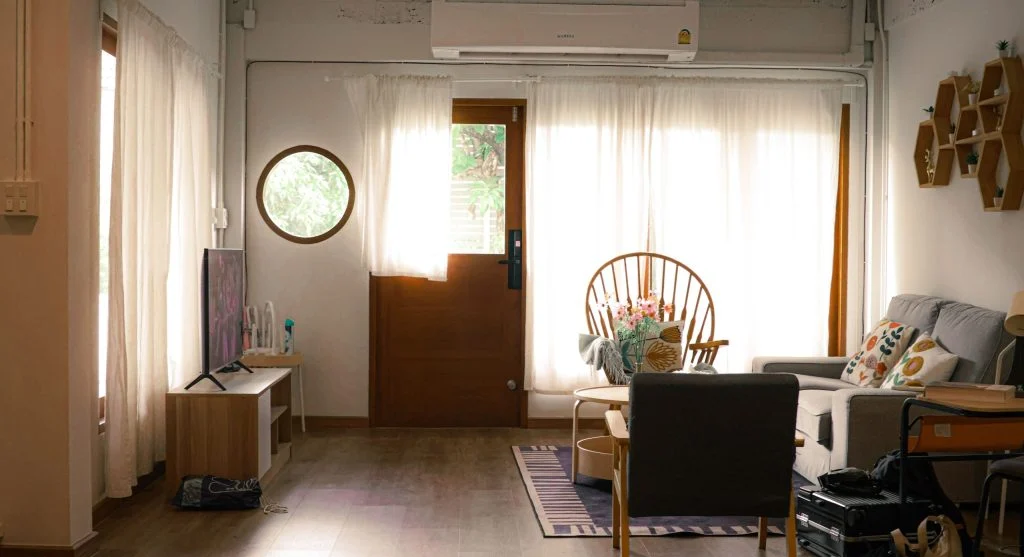
When a room becomes mildly inconvenient, many people change their behavior rather than improving the environment.
You might:
- Walk around a chair instead of repositioning it
- Reach awkwardly for something instead of rearranging it
- Avoid using certain areas rather than making them more functional
Over time, these adjustments become routine.
Instead of the space supporting your daily life, you begin adapting to the limitations of the space.
Gradual Clutter Blindness
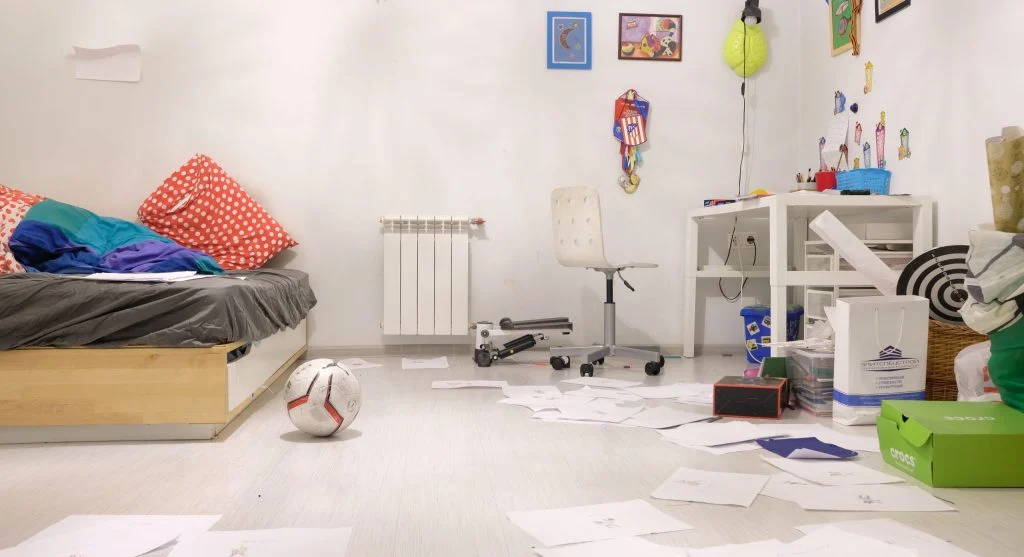
Clutter rarely appears overnight.
It accumulates one item at a time.
Because the change is so gradual, the brain adapts and stops noticing it as easily.
What once felt crowded can begin to feel normal.
This is one reason many homes slowly start to feel heavier or less comfortable, even when no major changes have occurred.
Ignoring Small Misalignments
Minor imperfections often seem too insignificant to matter.
A table may sit slightly off-center. A rug may be a little crooked. Decorative items may feel unevenly placed.
Individually, these details are easy to overlook.
Together, however, they can create subtle visual tension.
Even if you are not consciously aware of it, your eyes continue searching for balance.
Overusing One Area of the Home
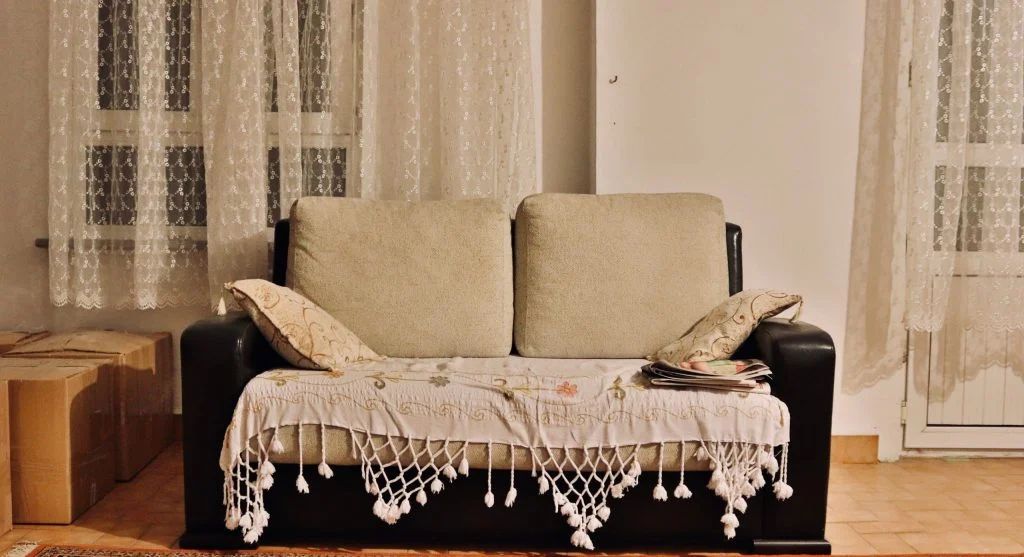
Most homes naturally develop areas that receive far more attention than others.
Certain rooms become the center of daily activity, while others remain largely unused.
Over time, this creates an imbalance.
Frequently used spaces begin to feel crowded, worn, or visually exhausted. Less-used areas can feel disconnected or forgotten.
Comfort often comes from distributing activity more evenly throughout the home.
Adding Without Removing
People tend to bring new things into their homes over time.
What happens less often is removing items that are no longer needed.
As a result, belongings accumulate.
Each additional object may seem insignificant on its own, but together they gradually reduce visual clarity and organization.
Eventually, the space begins to lose the simplicity and structure it once had.
Forgetting the Original Purpose of the Space
When a room is first arranged, it usually has a clear function.
As time passes, that purpose can become less defined.
A reading corner turns into a storage area. A guest room becomes a workspace. A living room starts serving multiple unrelated functions.
While flexibility can be useful, too many overlapping purposes often create confusion.
When a room no longer has a clear identity, comfort tends to decline.
Why These Habits Are Difficult to Notice
The biggest challenge is that none of these changes feel dramatic.
They happen slowly.
Because the adjustments occur little by little, they become part of everyday life.
Your brain adapts at each step, making the changes feel normal.
Eventually, the home feels different, but it can be difficult to explain exactly why.
How Awareness Restores Comfort
Once you start paying attention to these patterns, the causes become easier to identify.
You begin to notice:
- Areas that feel slightly uncomfortable
- Obstacles that interrupt movement
- Items that no longer serve a useful purpose
That awareness often leads to simple corrections.
And in many cases, small adjustments can restore a surprising amount of comfort without requiring major changes.
Frequently Asked Questions
Q: What are home comfort mistakes?
A: Small design habits that reduce comfort over time.
Q: Why don’t I notice these changes?
A: Because they happen gradually and feel normal.
Q: Can small fixes really help?
A: Yes, minor adjustments often have a big impact.
Q: Is clutter the main issue?
A: No, layout and habits also play a role.
Key Takeaway
Most home comfort problems develop gradually rather than appearing all at once. Small habits, temporary fixes, and unnoticed changes can slowly alter how a space feels. By recognizing these patterns and making thoughtful adjustments, it is often possible to restore comfort without a major redesign.