A clean home is often expected to feel peaceful.
Yet sometimes, even when everything is tidy and organized, the space still feels slightly uncomfortable.
The counters are clear. The floors are spotless. Everything is in its place. But despite all of that, the room feels tense, draining, or difficult to fully relax in.
That’s because cleanliness and comfort are not the same thing.
A home can be perfectly clean and still create stress.
Clean Does Not Mean Balanced
Keeping a home clean removes clutter, but it does not automatically create harmony.
A room can still feel uncomfortable if the furniture arrangement is awkward, the lighting feels harsh, or the space lacks visual balance.
Balance is what helps a room feel stable and settled.
Without it, even the cleanest environment can feel slightly unsettling.
Harsh Lines and Rigid Layouts
Some spaces feel organized but not relaxing.
Furniture is perfectly aligned, every edge is sharp, and the layout feels highly structured. While this can create a neat appearance, it may also introduce a sense of rigidity.
Instead of encouraging relaxation, the room can keep you feeling subtly alert.
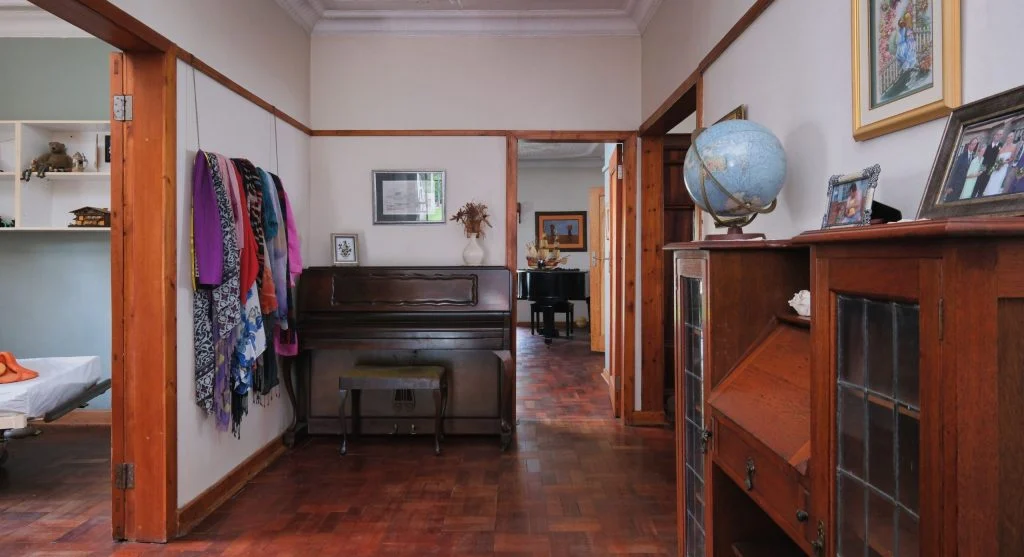
Lighting That Keeps You Alert
Lighting has a direct effect on how a space feels.
Bright, direct light naturally encourages focus and activity. When that type of lighting is used throughout an entire home, it can make relaxation more difficult.
This is one reason some clean homes feel more like workplaces than living spaces.
Comfort often comes from having a variety of lighting levels rather than the same brightness everywhere.
Too Much Emptiness
Most people understand that clutter can create stress.
What is less obvious is that excessive emptiness can have a similar effect.
When a room lacks warmth, texture, softness, or visual interest, it may feel incomplete rather than calming.
Instead of helping the mind relax, the space can leave a lingering sense that something is missing.
Spaces That Don’t Support Real Life
A comfortable room should reflect the way it is actually used.
When the design of a space conflicts with everyday behavior, subtle frustration begins to appear.
For example:
- A relaxation area that feels too formal
- A workspace that feels too casual
- A seating arrangement that doesn’t encourage people to sit and stay
These mismatches create friction between the room and the people using it.
Over time, that friction becomes noticeable.
Noise Without Sound
A room does not need actual noise to feel overwhelming.
Visual noise can have a similar effect.
Too many small details, strong contrasts, competing design elements, or disconnected features keep the brain engaged.
You may not consciously recognize what is happening, but your mind continues processing the environment.
As a result, the space feels less restful than it should.
No Clear Place to Unwind
Every home benefits from having at least one area that feels free from demands.
If every room is focused on productivity, structure, or function, there is little opportunity for mental recovery.
Without a dedicated place to relax, low-level tension can linger throughout the day.
A true rest zone allows the mind to slow down and disengage.
Why the Feeling Develops Gradually
Stress caused by design choices rarely appears immediately.
Instead, it builds over time.
The longer you spend in the space, the more likely you are to notice that:
- Concentration becomes harder to maintain
- Comfort gradually decreases
- You feel an urge to leave the room or change something
Because the process happens slowly, it is often difficult to identify the cause.
The Difference Between Clean and Calm
A clean home removes physical distractions.
A calm home creates psychological comfort.
Cleanliness focuses on order and maintenance.
Calmness comes from balance, comfort, and a sense of ease.
Both are important, but they serve different purposes.
A home feels its best when it offers both.
Frequently Asked Questions
Q: Why does my clean home still feel stressful?
A: Because stress comes from design, not just cleanliness.
Q: Can lighting cause discomfort?
A: Yes, especially if it’s too harsh or uniform.
Q: Is minimal design always relaxing?
A: Not always — too much emptiness can feel cold.
Q: How can I fix this feeling?
A: By improving balance, lighting, and layout.
Key Takeaway
A stressful home is not always a messy one. In many cases, the real issue is a lack of balance between layout, lighting, and comfort. When those elements work together, a space can feel genuinely calm rather than simply clean.