

During the day, your home may feel perfectly comfortable.
Natural light fills the rooms, colors appear balanced, and moving through the space feels effortless.
Then evening arrives.
The same room suddenly feels different. Perhaps it seems slightly uncomfortable, a little less inviting, or somehow not as pleasant as it was just a few hours earlier.
This shift is not your imagination.
Homes often feel different after sunset because the way we experience a space changes dramatically once natural light disappears.
Natural Light Conceals Imperfections
Daylight has a remarkable ability to make spaces feel balanced.
It softens transitions between colors, creates natural depth, and minimizes the appearance of certain design flaws.
As evening arrives, artificial lighting takes over.
Without daylight’s assistance, subtle imbalances that were previously hidden can become more noticeable. Areas that felt harmonious during the day may suddenly feel less comfortable because the lighting no longer supports the room in the same way.
Single Light Sources Flatten the Room
Many homes rely heavily on one central ceiling fixture after dark.
While this provides illumination, it often creates a flat lighting effect.
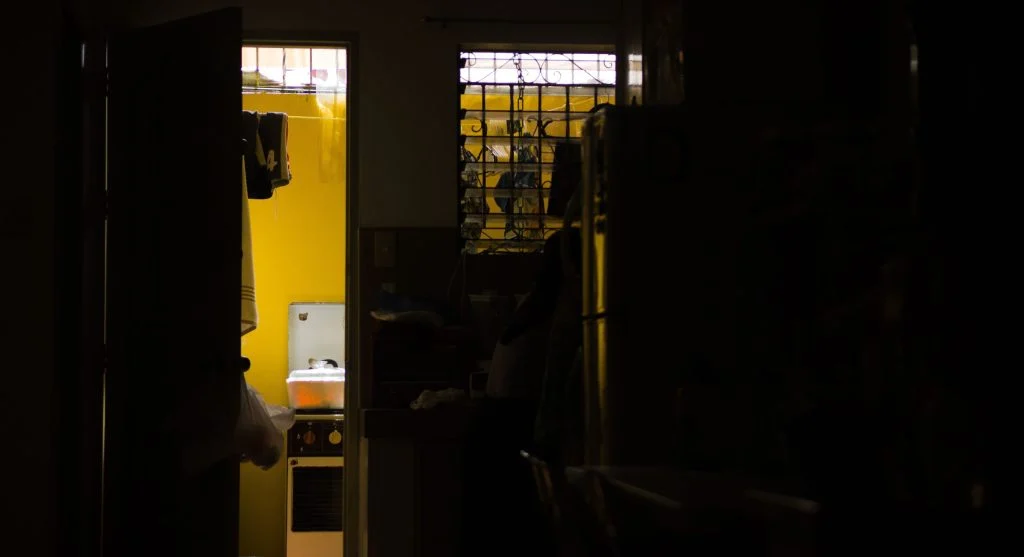
Instead of highlighting depth and dimension, a single light source spreads brightness evenly across the room. The result is a space that can feel less dynamic and less comfortable.
Layered lighting usually creates a more inviting atmosphere because it restores the visual depth that daylight naturally provides.
Shadows Change the Way You See the Space
At night, shadows become far more noticeable.
They:
- Emphasize corners and edges
- Increase contrast
- Highlight shapes and outlines
These stronger shadows can make a room feel more structured, but they can also make it feel harsher.
In some cases, shadows even alter the perceived size of a space, making it seem smaller or more enclosed than it does during the day.
Colors Behave Differently After Sunset
Color is heavily influenced by light.
During the day, natural sunlight reveals colors more accurately and evenly.
At night, artificial lighting changes how those colors appear.
Warm shades may feel deeper and heavier. Cooler tones may seem muted or less vibrant.
Because color affects mood, these shifts can influence how comfortable a room feels. A space that feels bright and calming during daylight hours may feel denser or less welcoming in the evening.
Uneven Lighting Creates Constant Adjustment
Unlike daylight, artificial lighting rarely reaches every area equally.
Some parts of the room may be brightly illuminated while others remain in shadow.
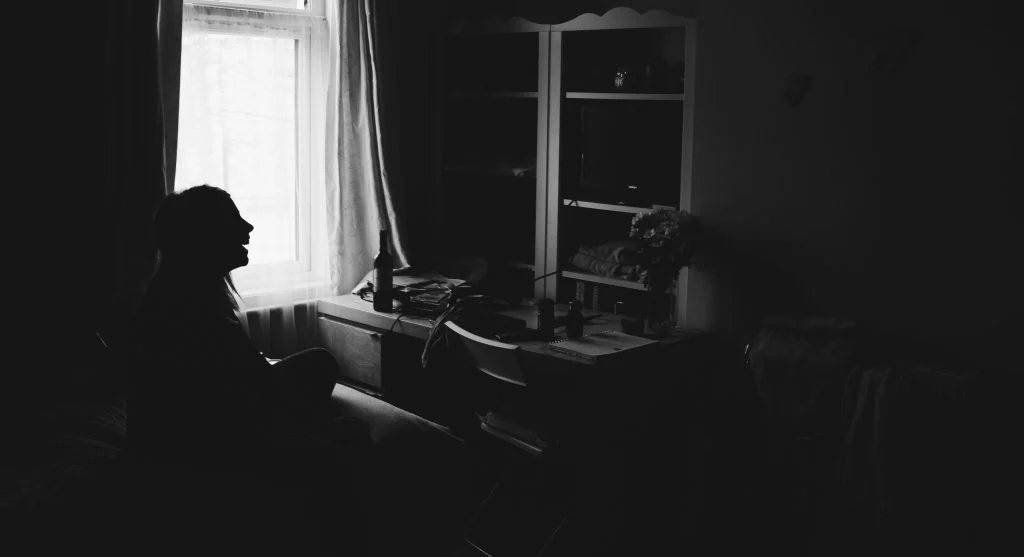
As your eyes move between bright and dark areas, they continually adjust.
This constant adaptation requires subtle effort and can contribute to feelings of visual fatigue over time.
Even when you are not consciously aware of it, your eyes are working harder than they do during the day.
Spaces Lose Their Natural Flow
Daylight naturally guides movement.
People tend to gravitate toward brighter areas without thinking about it.
At night, that guidance often disappears.
Without consistent light distribution, a room may feel less intuitive to navigate. Areas that seemed connected during the day can feel separate or disconnected after dark.
The layout itself has not changed, but the experience of moving through it has.
No Clear Signal to Slow Down
Evening should feel different from daytime.
However, many homes maintain the same atmosphere regardless of the hour.
If the lighting remains equally bright, the activity zones stay unchanged, and the environment never softens, the brain receives very little indication that it is time to relax.
This can make it harder to transition from daytime activity to evening comfort.
Creating a distinct nighttime atmosphere helps signal that the day is winding down.
Silence Makes Details More Noticeable
As night falls, outside activity often decreases.
Traffic slows. Conversations fade. General background noise becomes less noticeable.
In this quieter environment, the home itself receives more attention.
Small imbalances that were easy to ignore during the day may suddenly stand out. A harsh light source, an awkward corner, or an uncomfortable seating area can become much more noticeable simply because there are fewer distractions competing for attention.
Why the Difference Feels So Dramatic
The home itself has not changed.
What changes is perception.
Daylight naturally masks many visual issues and provides depth, balance, and clarity. Artificial lighting reveals the space in a different way.
The contrast between these two experiences often makes nighttime discomfort feel stronger than it actually is.
In reality, the room is simply being viewed through a different lens.
What Comfortable Homes Do Differently at Night
Homes that remain comfortable after sunset tend to adapt to the change in light.
They often use:
- Layered lighting throughout the room
- Softer light sources instead of relying on one bright fixture
- Balanced illumination that reduces harsh contrast
- Dedicated areas designed for relaxation
Rather than treating nighttime as an extension of the day, they allow the environment to change with the hour.
That flexibility creates a more comfortable experience.
Frequently Asked Questions
Q: Why does my home feel different at night?
A: Because lighting and perception change after sunset.
Q: Is lighting the main issue?
A: Yes, it plays a major role in comfort.
Q: Can I fix this easily?
A: Yes, adjusting lighting and layout can help.
Q: Do colors affect nighttime comfort?
A: Yes, they look different under artificial light.
Key Takeaway
A home that feels uncomfortable at night is often responding to changes in lighting and perception rather than changes in the room itself. Natural daylight hides many imperfections, while evening lighting reveals them. By adapting your space with layered lighting, balanced brightness, and areas designed for relaxation, you can create a home that feels just as comfortable after sunset as it does during the day.