Small spaces are often expected to be simple.
They should be easy to maintain, efficient to use, and comfortable to live in.
Yet many small homes feel surprisingly difficult.
You find yourself adjusting constantly. Certain areas feel cramped. Everyday tasks take more effort than they should.
It is easy to blame the size of the space.
But in many cases, the real issue is not how much space exists.
It is how effectively that space is working.
In Small Spaces, Every Decision Matters
Larger homes can absorb small design mistakes without much consequence.
A poorly placed chair or an awkward corner may go largely unnoticed because there is enough room for everything else to function.
Small spaces are different.
Every choice has a greater impact.
One unnecessary item.
One awkward piece of furniture.
One blocked pathway.
Each decision influences how the entire space feels and functions.
This is why small homes often require more intentional planning than larger ones.
Multi-Purpose Spaces Need Structure
Many small homes ask one room to perform several jobs.
A dining area may also serve as a workspace.
A living room may double as a guest room.
A single surface may become a place for eating, working, storing items, and organizing daily tasks.
The challenge is not having multiple uses.
The challenge is having multiple uses without structure.
When areas lack clear roles, the space becomes harder to understand and use.
For example:
- A table used for everything often feels cluttered
- A corner with no defined purpose becomes wasted space
- Shared areas can become visually confusing
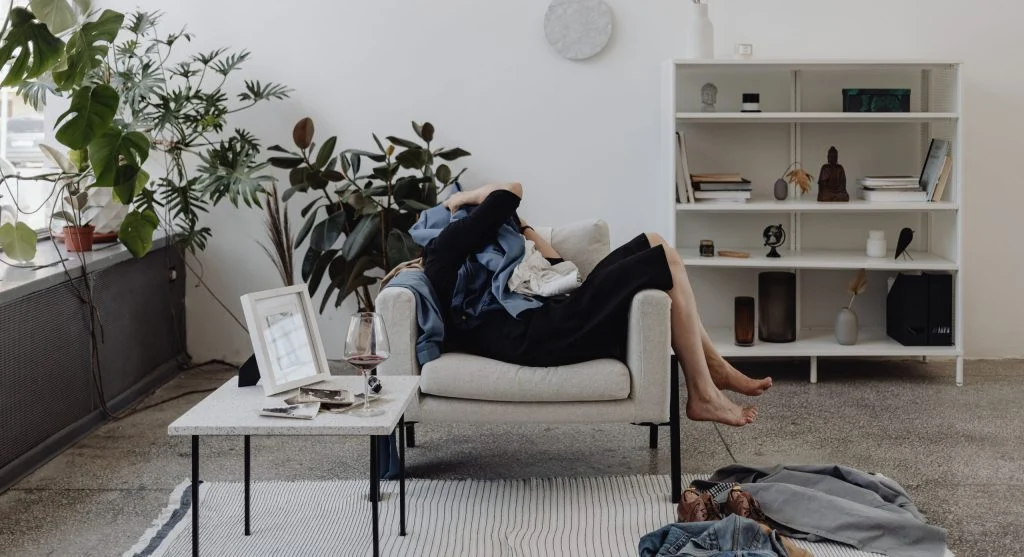
Even in compact homes, clearly defined zones help create order and efficiency.
Movement Should Come Before Storage
A common mistake in small-space design is prioritizing storage over movement.
People try to maximize every inch.
Additional shelves are added.
Extra cabinets are installed.
Storage solutions appear everywhere.
While storage is important, movement matters more.
If navigating the room becomes difficult, the space immediately feels smaller.
Comfort often comes from the ability to move freely and naturally through a room.
Without that freedom, even a well-organized space can feel restrictive.
Furniture Should Be Chosen for Function
Many people assume smaller rooms require smaller furniture.
That is not always true.
Tiny furniture can sometimes create its own problems.
Pieces that are too small may feel unstable, uncomfortable, or inadequate for daily use.
The goal should not simply be reducing size.
The goal should be choosing furniture that performs its function well while fitting the space appropriately.
A well-chosen piece often contributes more to comfort than several smaller alternatives.
Vertical Space Is Often Overlooked
When people think about space, they often focus only on the floor.
As a result, everything happens at one level.
Storage.
Decor.
Organization.
Function.
This creates crowding where it matters most.
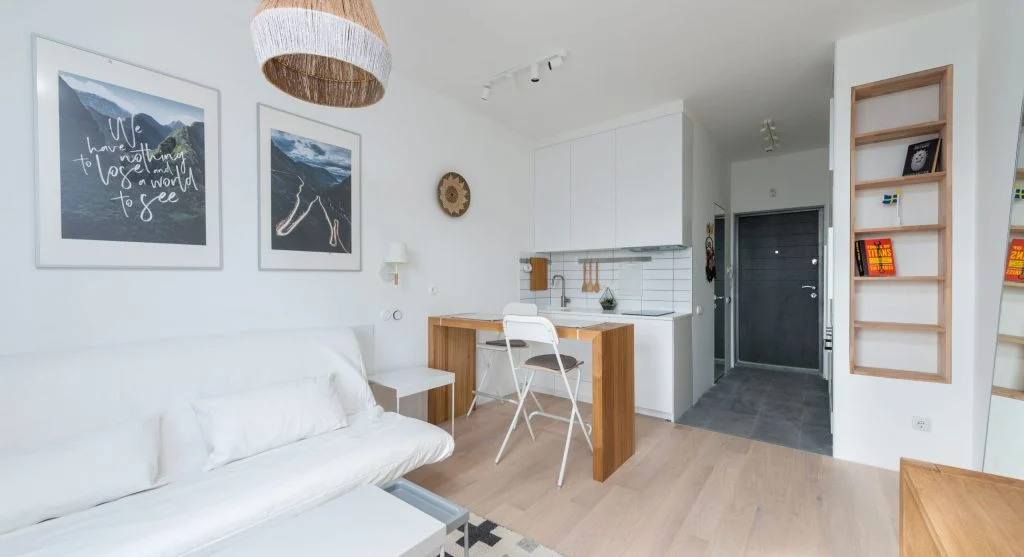
Using vertical space more effectively can increase capacity without sacrificing movement.
Examples include:
- Wall-mounted storage
- Tall shelving units
- Vertical organization systems
- Elevated display areas
Thinking upward often creates opportunities that the floor simply cannot provide.
“Just in Case” Items Create Pressure
Extra items are easier to keep in larger homes because there is more room to absorb them.
In small spaces, every item has a cost.
Objects kept “just in case” often consume valuable space while providing little daily value.
Over time, these items reduce usability.
The room begins serving possessions rather than the people living in it.
Removing unnecessary items often improves comfort more than adding new storage solutions.
Every Small Space Needs a Priority
A compact home cannot maximize everything equally.
Trying to prioritize every goal at once often creates conflict.
Instead, it helps to identify what matters most.
Is the priority:
- Comfort?
- Storage?
- Flexibility?
- Entertaining?
- Work productivity?
- Open movement?
Once that priority becomes clear, design decisions become easier.
The space begins supporting its most important purpose rather than competing with itself.
Overcomplicated Solutions Often Backfire
Many small-space solutions promise to solve every problem.
Furniture folds.
Tables expand.
Storage hides inside storage.
Everything transforms into something else.
While these ideas can be useful, they sometimes add complexity instead of reducing it.
If every activity requires constant adjustment, the home becomes harder to use.
Simplicity often creates better long-term comfort.
The easiest solution is frequently the most effective one.
Why Small Spaces Can Feel More Stressful
Small-space frustrations accumulate quickly.
Every obstacle is encountered more often.
Every awkward movement happens repeatedly.
Every inefficient decision becomes part of the daily routine.
What seems like a minor inconvenience in a large home can become a constant source of friction in a small one.
This is why optimization matters so much.
Small improvements often create disproportionately large benefits.
What Actually Improves Small Spaces
The most effective changes usually focus on function rather than appearance.
Successful small spaces often emphasize:
- Clear movement paths
- Defined zones
- Furniture that serves a purpose
- Efficient use of vertical space
- Removal of unnecessary items
- Simplicity over complexity
These decisions reduce friction and make everyday life easier.
Frequently Asked Questions
Q: Why is small space living difficult?
A: Because small design issues have a bigger impact.
Q: Should I add more storage?
A: Only if it doesn’t affect movement.
Q: What is most important in small spaces?
A: Movement and usability.
Q: Can small spaces feel comfortable?
A: Yes, with proper layout and priorities.
Key Takeaway
The biggest challenges of small-space living are rarely caused by size alone. More often, they result from inefficiency, unclear priorities, and unnecessary friction. When movement, purpose, and simplicity work together, a small home becomes easier to use, easier to manage, and far more comfortable to live in.