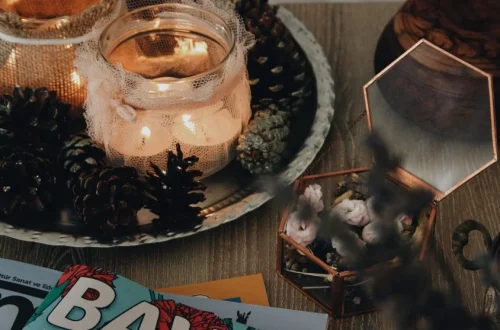

You bring out seasonal decor.
New colors appear. Different textures arrive. A few carefully chosen pieces help mark the change in season.
At first, it seems like exactly what the room needs.
But once everything is in place, something feels off.
The space looks different, yet it doesn’t feel better.
This is one of the most common challenges with seasonal decorating.
The problem is rarely the decor itself.
More often, it comes from how those seasonal changes interact with the space that already exists.
The Transition Feels Too Abrupt
One of the biggest mistakes in seasonal decorating is treating each season as a complete reset.
The room has one identity one day, then a completely different identity the next.
This sudden change can feel disconnected from the rest of the home.

Successful seasonal decorating usually feels gradual.
Instead of replacing the room’s personality, it builds upon it.
The transition feels natural because the space evolves rather than transforms overnight.
Seasonal Colors Clash With the Existing Palette
Every home develops a visual foundation over time.
This foundation often includes:
- Core colors
- Materials
- Textures
- Furniture finishes
When seasonal colors ignore that foundation, they can feel disconnected from the room.
The issue is not necessarily the seasonal colors themselves.
The problem occurs when they compete with the colors already present instead of complementing them.
The most effective seasonal updates usually work with the home’s existing palette rather than against it.
Too Many Themed Decorations
Seasonal decorating can quickly become overwhelming when every item follows the same obvious theme.
Examples include:
- Large numbers of themed accessories
- Excessive matching decorations
- Repeated seasonal symbols throughout the room
When every piece demands attention, the room begins to feel staged rather than lived in.
Subtle seasonal references often create a stronger impact because they leave room for the space to feel authentic.
Adding Without Editing
A common habit is simply placing seasonal decor on top of what is already there.
Nothing leaves.
Everything stays.
Then additional items are introduced.

The result is often increased visual density.
The room feels busier instead of refreshed.
A useful approach is to think in terms of exchange rather than addition.
When seasonal pieces arrive, some existing pieces can temporarily step away.
This helps maintain balance and prevents the space from becoming overcrowded.
Seasonal Decor Interrupts Daily Life
Good decorating should support everyday living.
When seasonal items interfere with normal routines, they stop enhancing the space and begin competing with it.
For example:
- Decorations that block useful surfaces
- Arrangements that interrupt movement
- Items placed where they constantly need adjustment
Seasonal decor should fit naturally into daily life.
The best pieces enhance routines rather than disrupt them.
Placement Lacks Purpose
Where decor is placed matters just as much as what is placed.
Seasonal items sometimes end up scattered throughout a room without any clear relationship to the space around them.
This can make the room feel visually fragmented.
Thoughtful placement creates a stronger sense of connection.
Every decorative element should feel like it belongs exactly where it is.
Lighting Does Not Support the Seasonal Mood
Seasonal decorating often introduces new colors, textures, and atmospheres.
However, the lighting frequently remains unchanged.
This can create a disconnect between the intended mood and the actual experience of the room.
Lighting influences how colors appear and how comfortable a space feels.
If the goal is a warmer, cozier seasonal atmosphere, the lighting should help support that feeling.
Without this support, seasonal changes can feel incomplete.
The Room Loses Its Identity
A home should still feel familiar regardless of the season.
When seasonal decor becomes the dominant feature, the room’s original character can disappear.
The space may start feeling temporary or disconnected from the rest of the home.
Seasonal decorating works best when it enhances the room’s identity rather than replacing it.
The home should remain recognizable beneath the seasonal updates.
What Makes Seasonal Decorating Feel Natural
Natural seasonal decorating builds upon what is already working.
It tends to:
- Complement existing colors
- Respect the room’s layout
- Support everyday use
- Introduce change gradually
- Maintain visual balance
Instead of creating an entirely new room, it introduces a new layer to an existing one.
Why Smaller Changes Often Work Better
Many successful seasonal updates are surprisingly subtle.
A few coordinated adjustments often feel more intentional than a complete overhaul.
Small changes allow the room to maintain continuity while still reflecting the season.
Too many changes can create tension because the space loses its visual stability.
A handful of thoughtful updates often creates a stronger result than dozens of dramatic ones.
Frequently Asked Questions
Q: Why does my seasonal decor feel forced?
A: Because it doesn’t blend with your existing space.
Q: Should I replace everything each season?
A: No, small changes work better.
Q: How do I make decor feel natural?
A: Connect it with your base design.
Q: Does less decor work better?
A: Yes, it keeps the space balanced.
Key Takeaway
Seasonal decorating works best when it complements a space rather than competes with it. Instead of replacing your home’s existing character, focus on introducing small, thoughtful changes that connect with its colors, layout, and everyday function. When seasonal updates feel like a natural extension of the room, the result is a space that feels refreshed, balanced, and comfortable throughout the year.