Your home feels completely natural to you.
You know where everything belongs.
You know which route to take through each room.
You know where to sit, where to place things, and how the space functions.
Because you use it every day, everything feels normal.
But when guests visit, their experience is often very different.
They pause before sitting down.
They move through rooms more cautiously.
They seem slightly unsure of where to go or what to do next.
These reactions reveal something important.
A home can work perfectly for the people who live there while still feeling confusing to someone seeing it for the first time.
You Have Adapted to the Space
One of the biggest reasons homeowners overlook design issues is familiarity.
Over time, people naturally adapt to their surroundings.
You stop noticing:
- Slightly awkward pathways
- Furniture that interrupts movement
- Unclear seating arrangements
- Objects placed in inconvenient locations
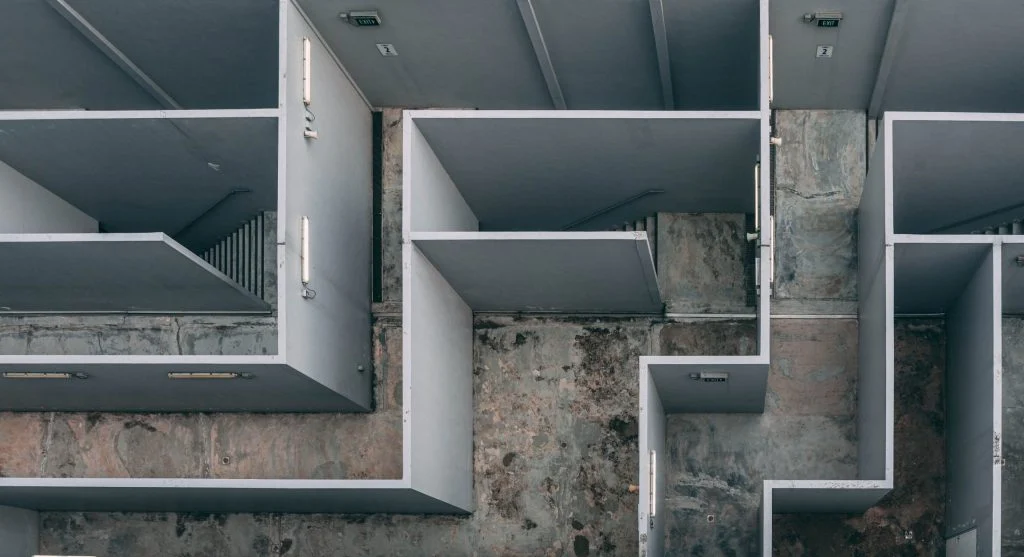
Because these conditions are familiar, they no longer feel unusual.
Guests, however, experience the space without that adaptation.
They see the room exactly as it is.
Seating Should Be Obvious
One of the first things guests look for is a comfortable place to sit.
Ideally, they should not have to search for it.
They should not need instructions.
They should not wonder which chair is decorative and which one is intended for use.
When seating feels unclear, hesitation appears immediately.
That hesitation creates a small sense of discomfort before any conversation even begins.
Guest-friendly spaces communicate seating options naturally and confidently.
Movement Paths Need to Be Easy to Read
Homeowners quickly learn how to navigate their own spaces.
Guests do not have that advantage.
They rely on visual cues to understand where they should move.
If pathways are unclear, blocked, or indirect, visitors often slow down.
They become more cautious because they are uncertain about the correct route.
Simple movement should feel obvious.
When people can move through a home without thinking about it, they relax more easily.
Too Many Small Decisions Create Stress
Comfort often comes from reducing unnecessary decision-making.
Visitors should not have to constantly ask themselves:
- Where should I stand?
- Where do I put my drink?
- Which way should I walk?
- Is this seat available?
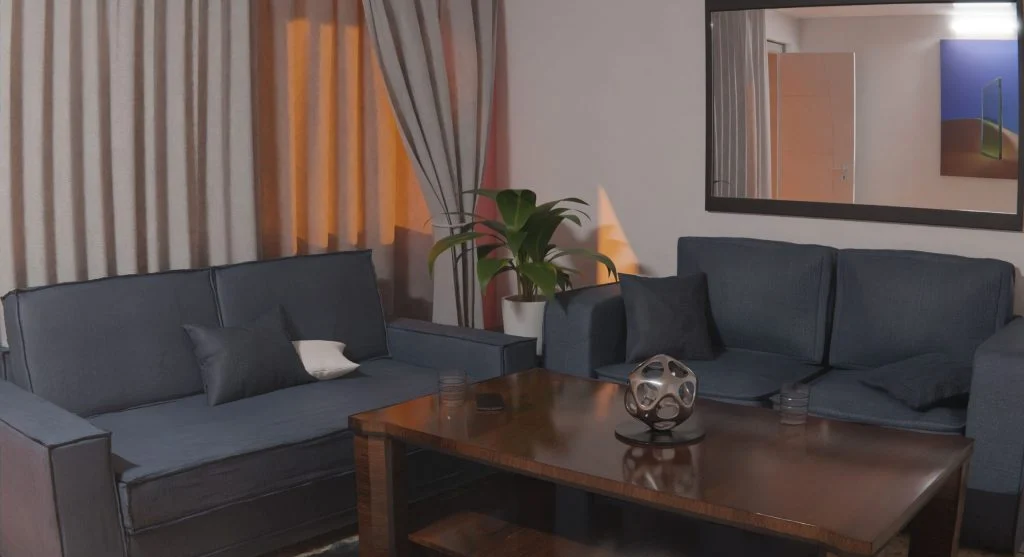
None of these decisions seem significant individually.
Together, however, they create mental effort.
The more questions a space asks people to answer, the less comfortable it tends to feel.
Homes Are Often Designed Around Personal Habits
Every household develops routines.
Furniture gets arranged around those routines.
Objects are placed where they are most convenient for daily life.
This is perfectly normal.
The challenge appears when a home becomes so personalized that it stops making sense to anyone else.
Guests do not share the same habits.
They do not know why a particular chair is positioned in a certain way.
They do not understand which surface is commonly used or which pathway is preferred.
A guest-friendly home balances personal convenience with universal clarity.
Small Obstacles Matter More to Visitors
Many homeowners learn to navigate around minor inconveniences without thinking.
A narrow passage.
A table corner that interrupts movement.
An object positioned slightly in the way.
Residents adjust automatically.
Guests do not.
Because they are unfamiliar with the environment, small obstacles become more noticeable.
What feels normal to the homeowner may feel awkward to someone encountering it for the first time.
Every Home Needs an Immediate Comfort Zone
People relax faster when they immediately understand where comfort exists within a space.
A welcoming seating area.
A clear gathering point.
An obvious place to settle in.
Without that comfort zone, visitors often remain slightly alert.
They may continue scanning the room for cues rather than relaxing into the experience.
Creating an immediate sense of comfort helps guests feel at ease from the moment they arrive.
Good Design Communicates Without Words
One of the most effective qualities of a well-designed home is that it quietly explains itself.
People instinctively understand:
- Where to sit
- Where to walk
- Where conversations happen
- Where personal belongings can be placed
These signals do not require signs or instructions.
They are communicated through layout, spacing, furniture placement, and visual organization.
When those signals are weak, uncertainty increases.
When they are clear, people feel comfortable almost immediately.
Why Homeowners Often Miss These Problems
The longer someone lives in a space, the less likely they are to notice its friction points.
The brain gradually fills in missing information.
Habits compensate for awkward layouts.
Routines compensate for poor flow.
As a result, homeowners stop experiencing the home objectively.
Guests provide a different perspective.
They reveal how the space functions without years of adaptation.
Their hesitation often highlights issues that have become invisible to the people who live there.
What Guest-Friendly Homes Do Well
Homes that feel welcoming typically remove unnecessary confusion.
They:
- Create clear pathways
- Define seating naturally
- Reduce small decisions
- Support easy interaction
- Communicate purpose through layout
As a result, visitors settle in quickly.
They spend less time figuring out the space and more time enjoying it.
Frequently Asked Questions
Q: Why do guests feel uncomfortable in my home?
A: Because they haven’t adapted to your layout.
Q: Is this about decoration?
A: No, it’s about usability and clarity.
Q: Can small changes fix this?
A: Yes, improving layout helps a lot.
Q: What matters most for guests?
A: Clear seating and easy movement.
Key Takeaway
A home that feels comfortable to its owner may still feel confusing to visitors. Familiarity often hides small design issues that guests notice immediately. By creating clear pathways, defining seating areas, reducing unnecessary decisions, and making the layout easier to understand, you can build a space that feels welcoming not just to you, but to everyone who enters it.